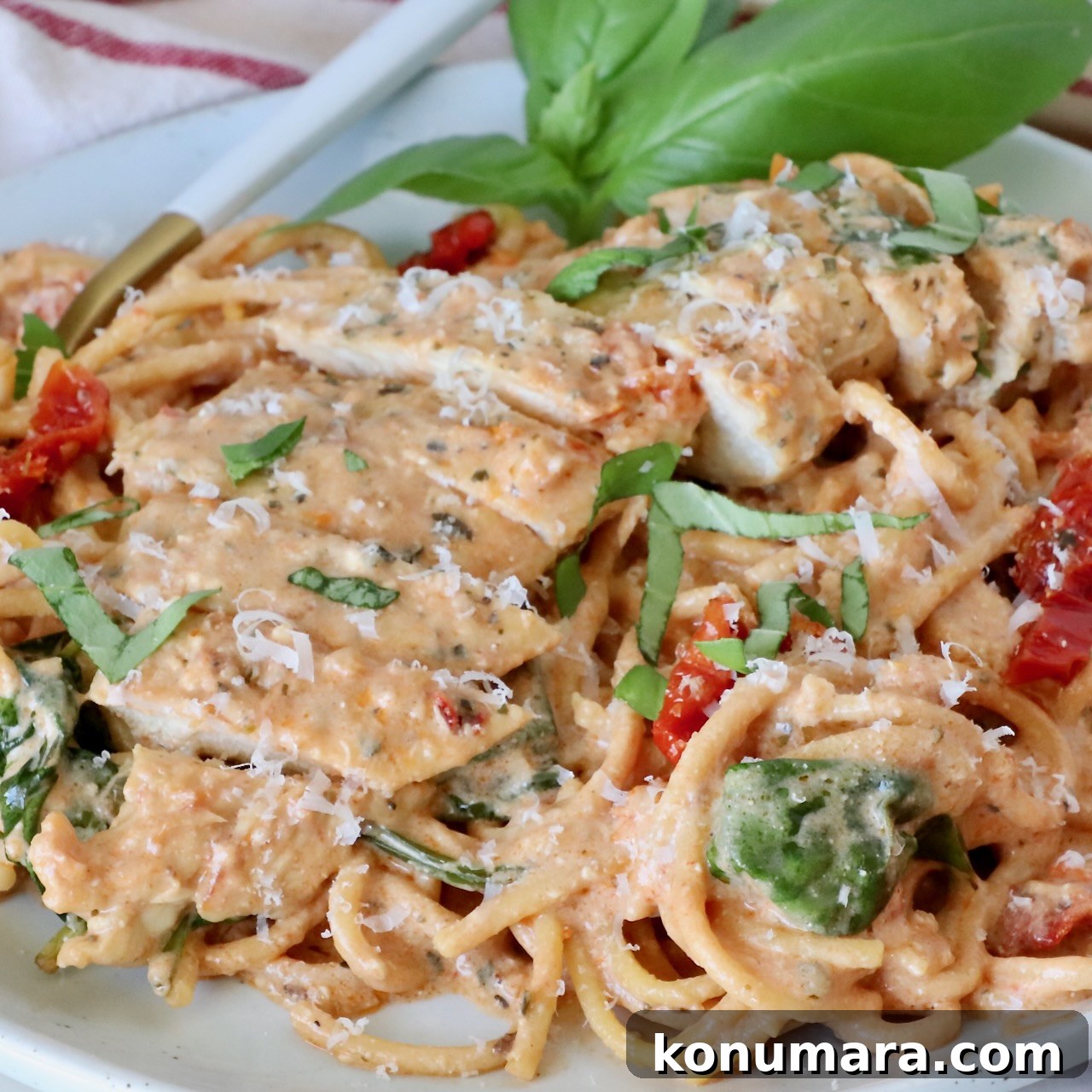
Tuscan Chicken is the warm, restaurant-style dinner I reach for all winter: golden-seared chicken bathed in a creamy sun-dried tomato and spinach sauce. In this version, heavy cream is replaced with blended cottage cheese to boost protein and keep the texture indulgent. Paired with high-protein spaghetti, each serving delivers a satisfying, protein-packed comfort meal.
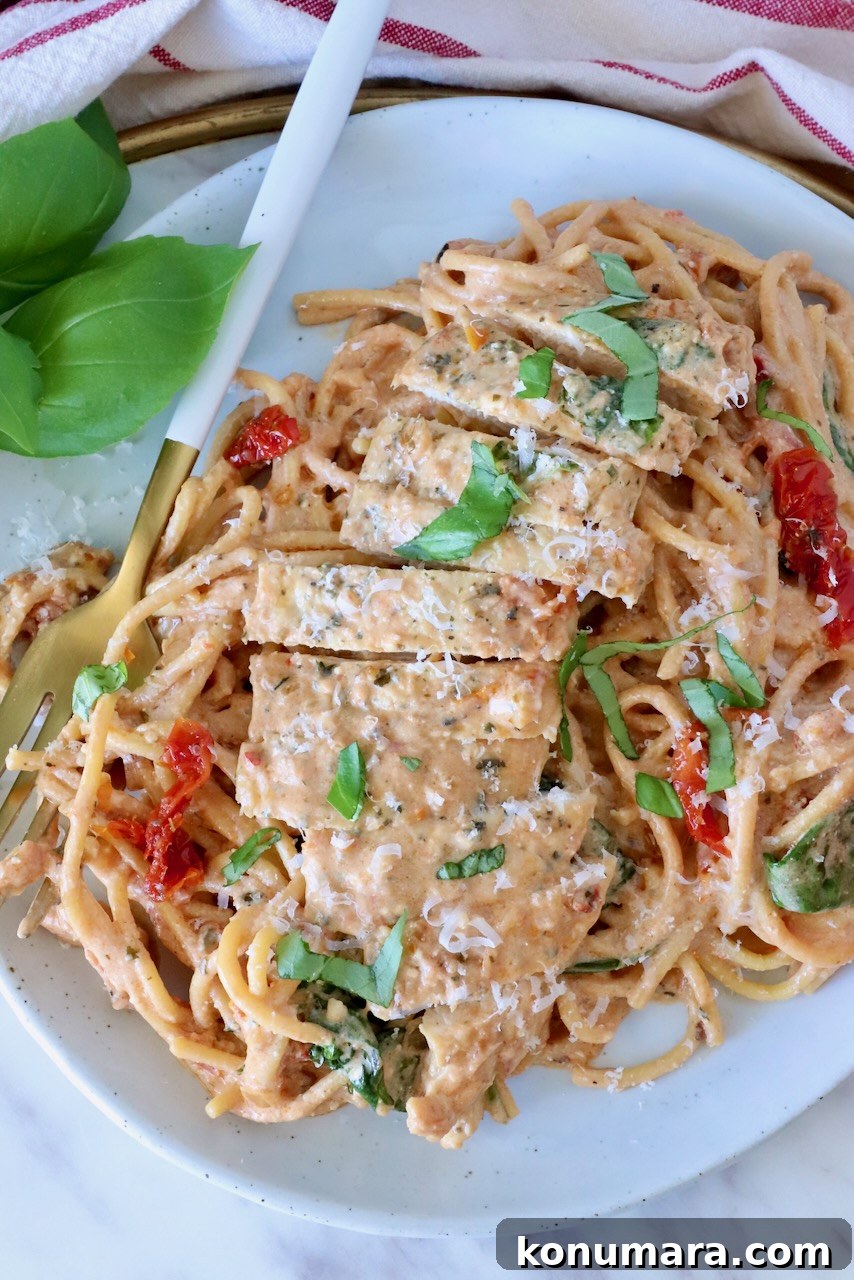
Creamy Tuscan Chicken — High-Protein Version
Creamy Tuscan pasta has been a staple in my weeknight rotation for years, but traditional cream-based sauces add richness at the cost of protein. I developed this high-protein twist by pureeing cottage cheese until silky smooth and using chicken bone broth as the liquid base. The result is a sauce that tastes as rich as the classic version while contributing meaningful protein to the plate.
When I first served this version to family, no one guessed the secret swap. Blended cottage cheese melts into the broth and Parmesan, creating a velvety, satisfying sauce that stands in for heavy cream—without sacrificing flavor. Serving it over a high-protein spaghetti boosts the meal’s protein content without changing the taste that makes Tuscan chicken feel like comfort food.

Key ingredients
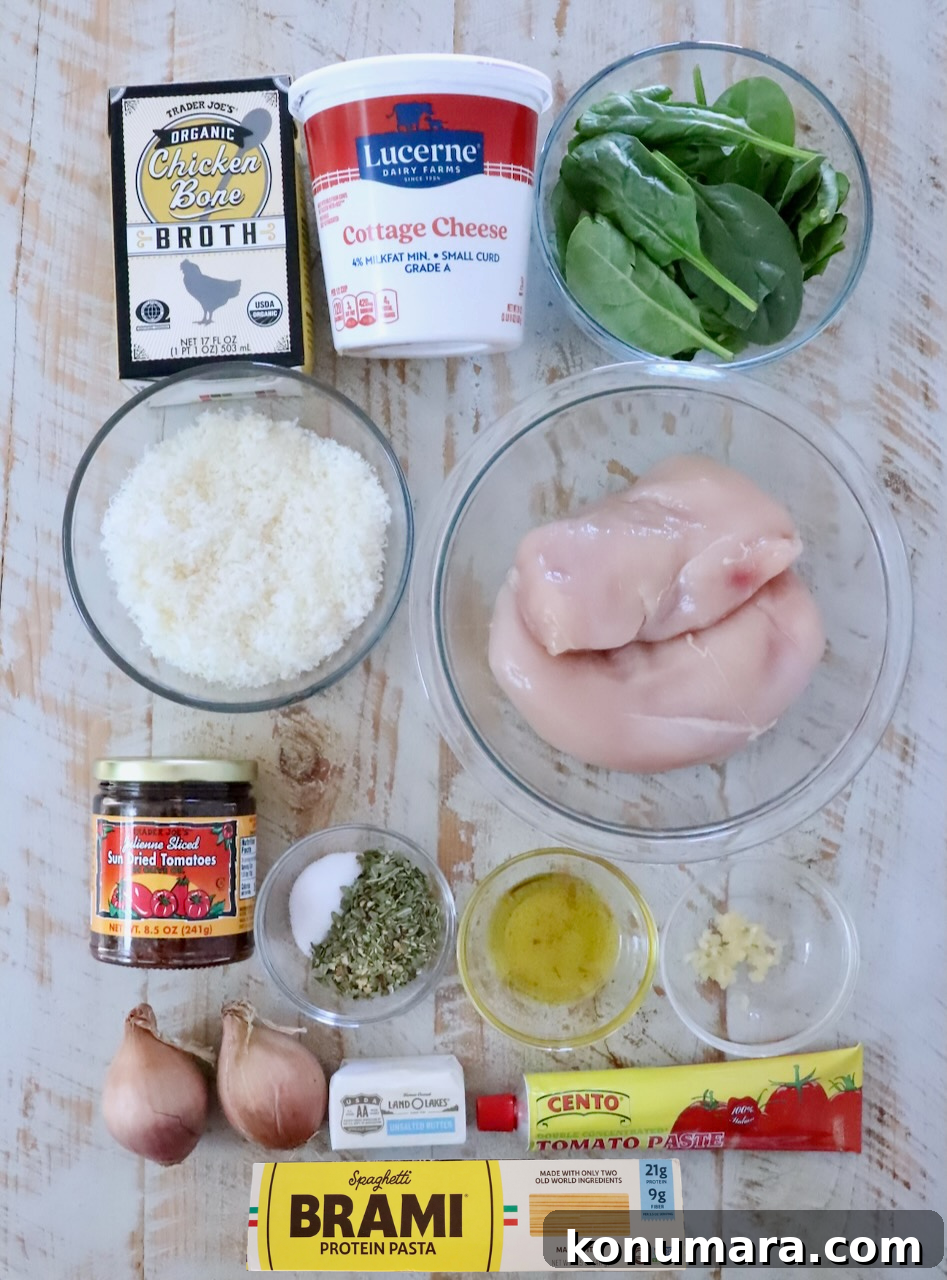
You’ll find the full ingredient list and exact measurements in the recipe card below. Here are the key ingredients and tips for choosing them:
- Chicken breasts: Two large breasts sliced in half lengthwise yield four thin cutlets that cook quickly and evenly. You can substitute boneless, skinless thighs—just add 1–2 minutes per side when cooking.
- Shallot: Adds a mild, slightly sweet onion flavor. If you don’t have shallots, finely diced yellow onion works in a pinch.
- Sun-dried tomatoes: Either oil-packed or dry-packed are fine. If using oil-packed tomatoes, drain and pat them dry to avoid a greasy sauce.
- Chicken bone broth: Provides extra body and protein. Regular chicken broth works, too, but bone broth adds depth.
- Cottage cheese: The hero of this sauce—blend until completely smooth so the finished sauce is creamy rather than grainy. Full-fat cottage cheese most closely mimics heavy cream, while 2% or low-fat versions will produce a lighter sauce.
- Parmesan: Freshly grated Parmesan melts best and yields a smoother texture than pre-shredded cheeses.
- High-protein spaghetti: Choose a pasta with added protein (for example, pasta made with lupini beans or legume-based varieties) to increase the meal’s protein without changing its familiar taste and texture.
How to make it
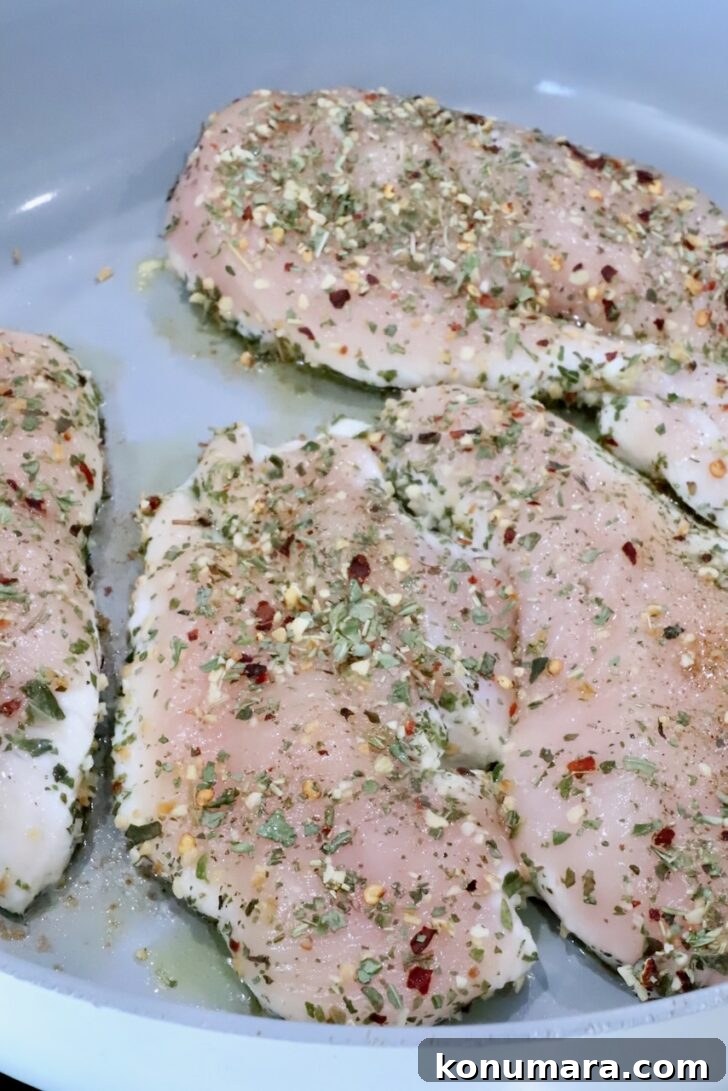
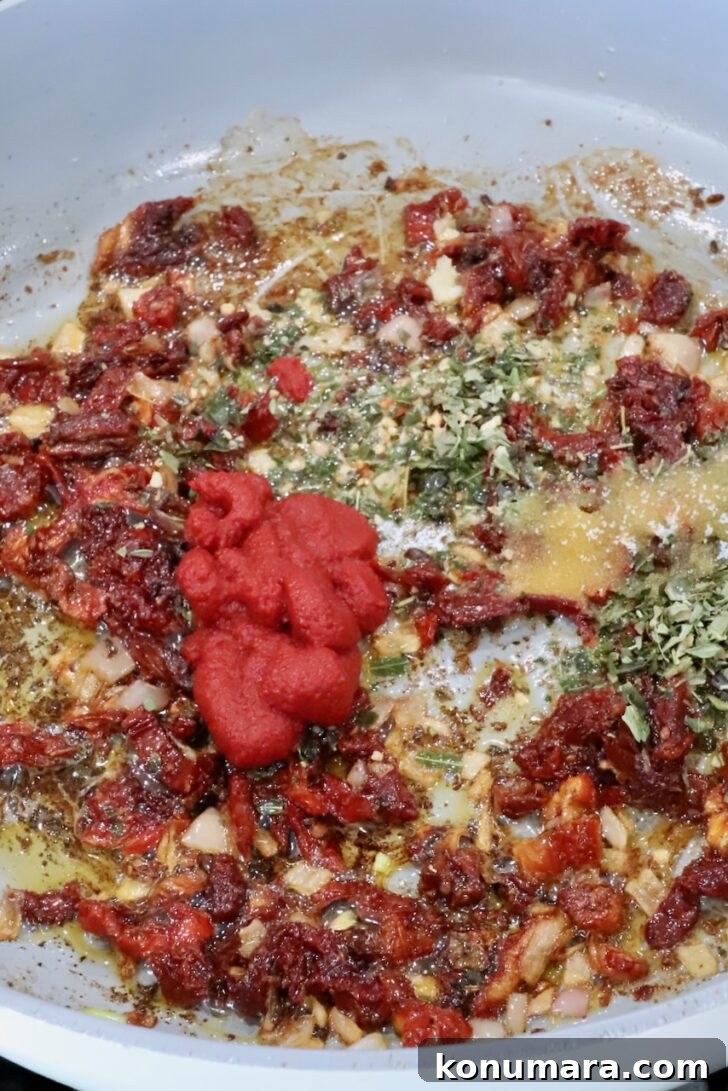
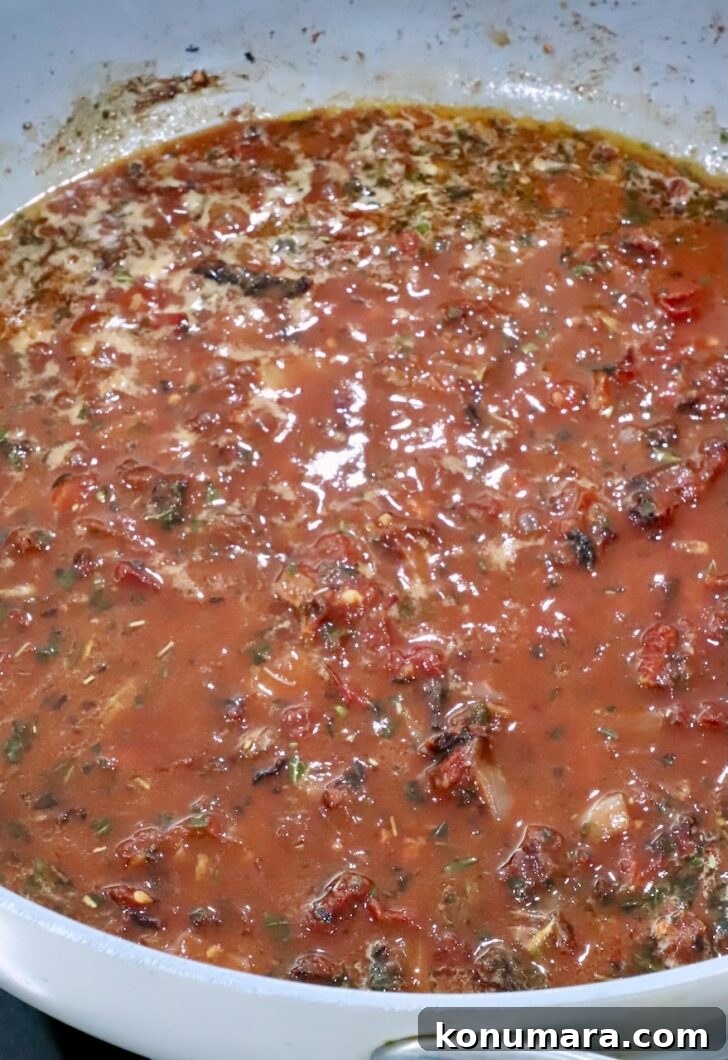
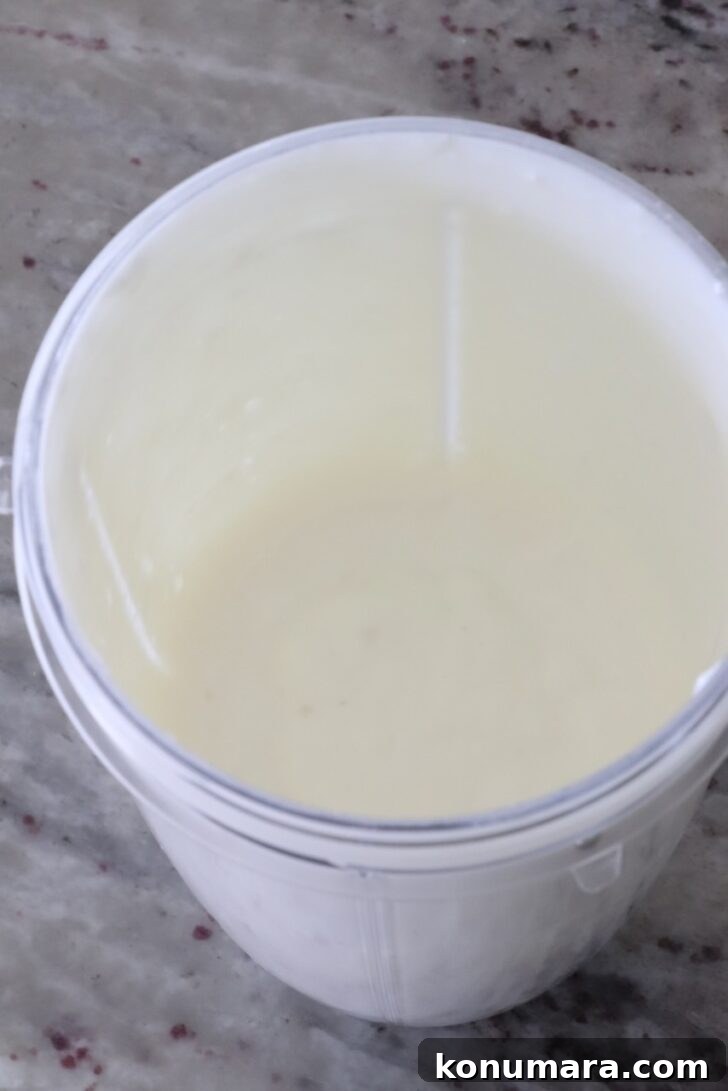
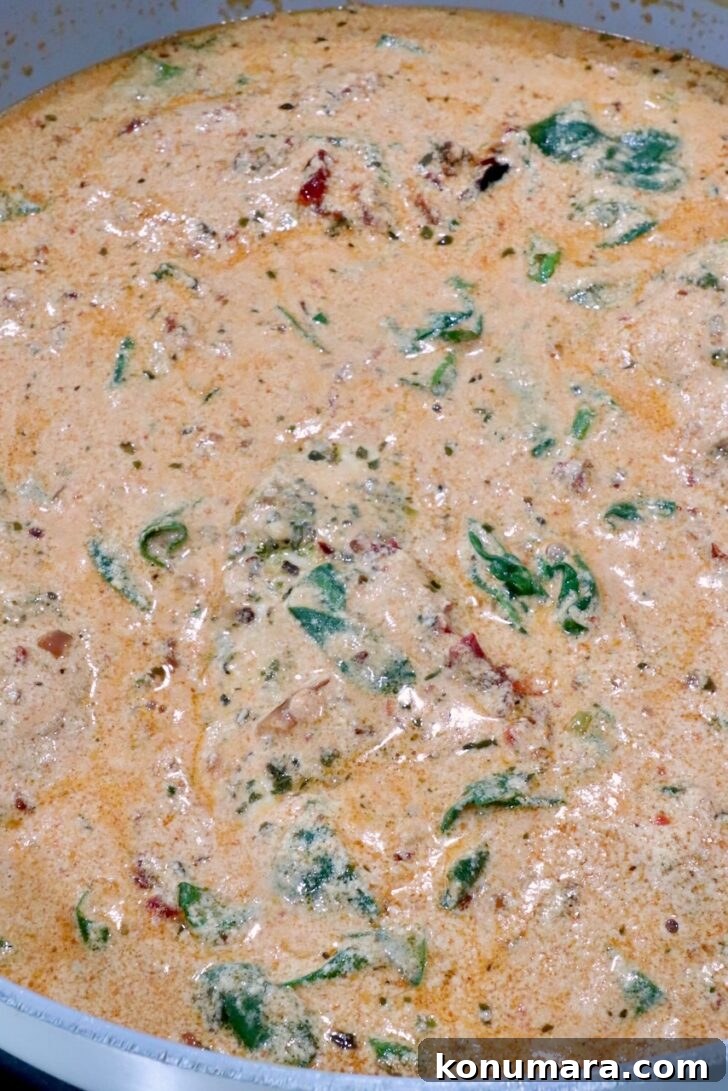
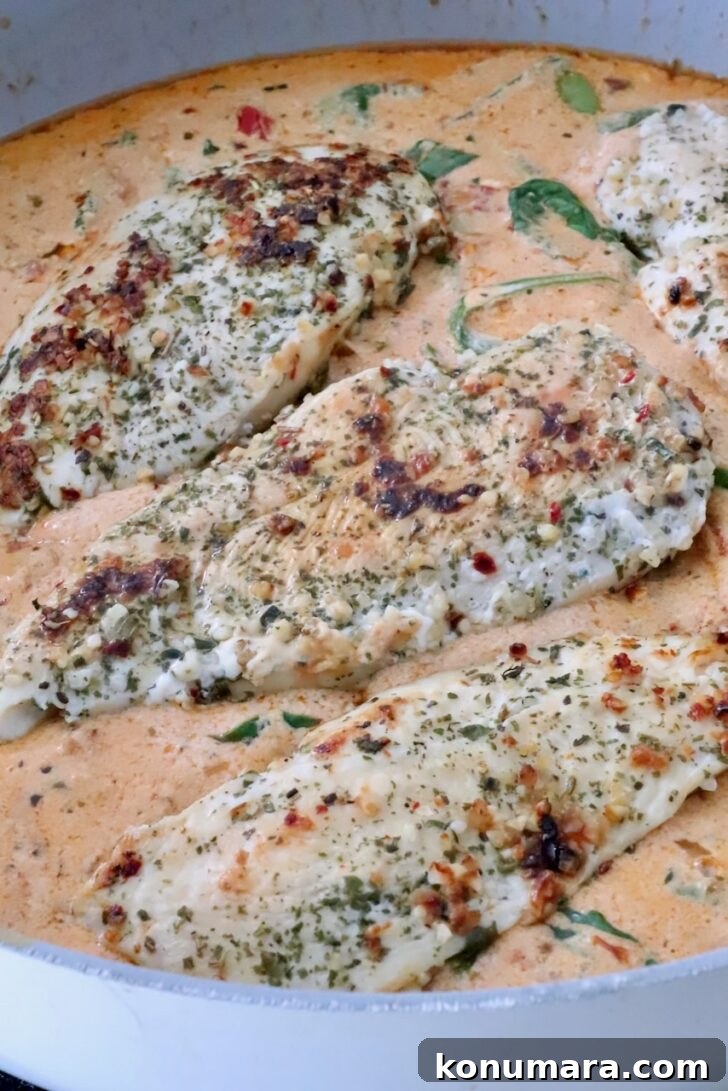
This recipe comes together in about 35–40 minutes. Start the pasta water first so the timing lines up: add the pasta to the boiling water around the time you remove the cooked chicken from the skillet to make the sauce.

Tips for the creamiest sauce (and how to keep it from curdling)
Cottage cheese can become grainy or separate if not handled properly. Follow these steps for a silky, stable sauce:
- Blend thoroughly: Any curds left behind can remain grainy in the pan. Blend until the mixture is completely smooth for the best texture.
- Cook over low heat: After adding the blended cottage cheese, keep the sauce at a gentle simmer. Avoid boiling, which can cause dairy proteins to tighten and separate.
- Add Parmesan off high heat: Stir the grated cheese in gradually over low heat so it melts and integrates without clumping.
- If the sauce is too thick: Stir in a splash of chicken broth or reserved pasta water to loosen it.
- If the sauce is too thin: Simmer uncovered on low for a few minutes to reduce and thicken.
- Prep first: Have shallot diced, garlic minced, and Parmesan grated before you start—the sauce comes together quickly.
Will it taste like cottage cheese? No. Once blended smooth and melted with Parmesan, broth, and tomato, it tastes like a classic cream sauce. Many who dislike cottage cheese report they can’t detect it in this preparation.
What to serve with it
With chicken, pasta and spinach all in one skillet, this makes a complete meal. If you’d like sides:
- Bread to soak up the sauce: Flatbread or a simple crusty loaf works well and adds extra protein if you choose a high-protein flatbread.
- A crisp salad: Arugula with lemon and olive oil provides a bright, peppery contrast to the creamy sauce.
- Roasted vegetables: Asparagus, broccoli or green beans roast quickly while you cook the chicken and add color and texture to the plate.
A word from our dietitian
“Blended cottage cheese gives this pasta sauce a luxuriously creamy texture while significantly increasing protein. It’s an easy strategy to make a pasta dish more satisfying and adds calcium for bone health.”

– Sarah Alsing, MS, RD
Looking for more protein, with more flavor?
This recipe is designed to increase protein without sacrificing taste. Try it with your favorite high-protein pasta or swap in different leafy greens and sun-dried tomato quantities to suit your palate.
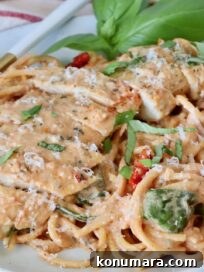
High-Protein Tuscan Chicken
Ingredients
- 8 ounces high-protein spaghetti
- 2 boneless, skinless chicken breasts (about 1½ pounds), halved lengthwise
- 3 tablespoons Italian seasoning, divided
- 2 teaspoons salt, divided
- 1 tablespoon olive oil
- 2 tablespoons butter
- ¼ cup finely diced shallot
- ½ cup chopped sun-dried tomatoes
- 1 teaspoon minced garlic (about 2 cloves)
- 2 tablespoons tomato paste
- 1½ cups chicken bone broth
- 2 cups cottage cheese, blended until smooth
- 1 cup fresh baby spinach leaves
- 1 cup grated Parmesan cheese
- Fresh basil, for garnish (optional)
Instructions
- Bring a large pot of salted water to a boil.
- Slice the chicken breasts in half lengthwise. Season all sides with 2 tablespoons Italian seasoning and 1 teaspoon salt.
- Heat the olive oil in a large skillet over medium-high heat. When hot, add the chicken and cook 5–7 minutes per side until golden and cooked through. Remove the chicken and set aside.
- Add the pasta to the boiling water and cook according to package directions while you prepare the sauce.
- Reduce heat to medium, add butter to the same skillet, and let it melt. Add the shallot and sun-dried tomatoes and cook until the shallot softens, about 3–5 minutes. Add garlic and cook 1 more minute.
- Stir in tomato paste, the remaining 1 tablespoon Italian seasoning, and 1 teaspoon salt. Mix to combine.
- Pour in the chicken bone broth and let it simmer for about 3 minutes, scraping up any browned bits from the pan.
- Blend the cottage cheese until completely smooth, then reduce the skillet heat to low. Stir in the blended cottage cheese, spinach, and Parmesan. Simmer gently until the cheese melts and the spinach wilts, 1–2 minutes. Keep the heat low to avoid separation.
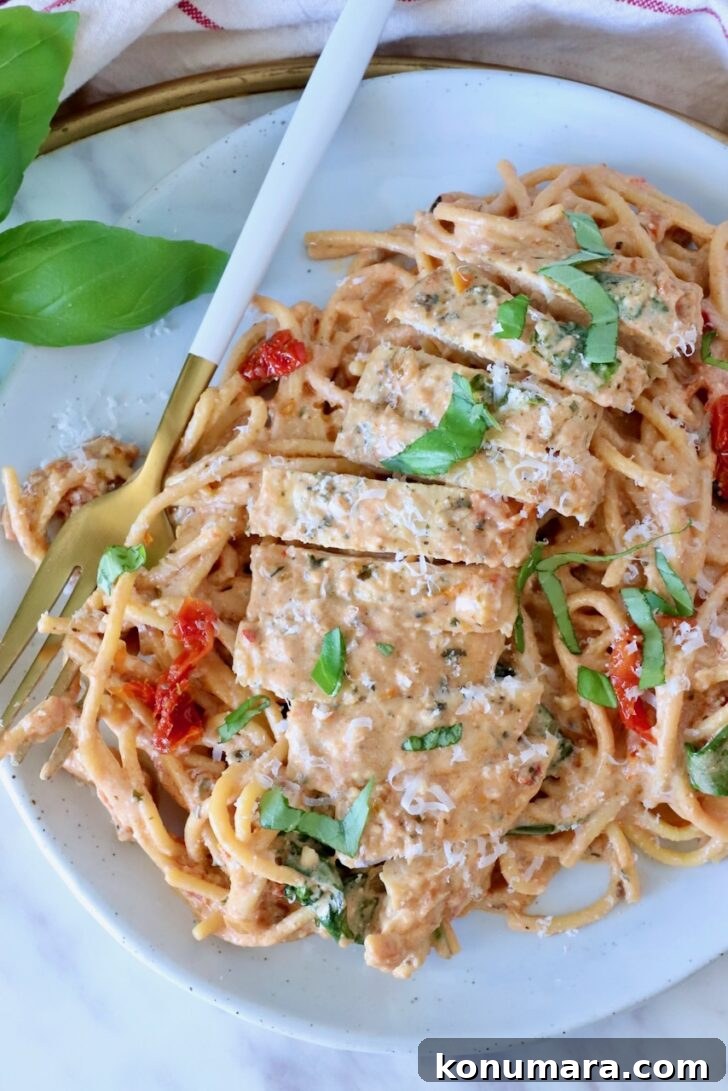
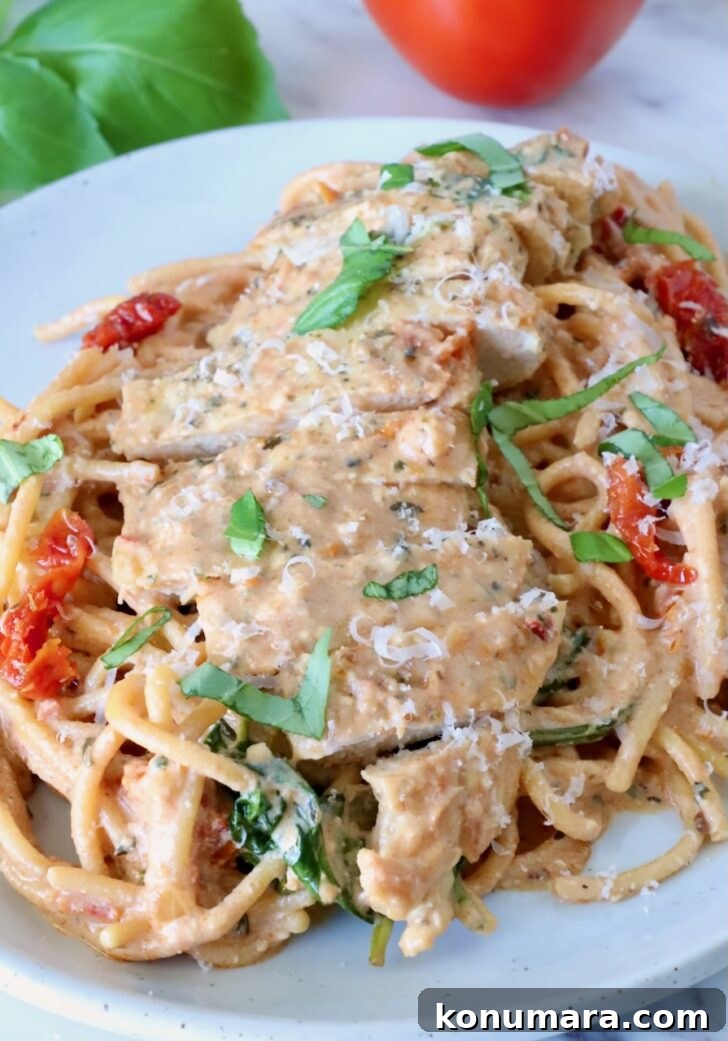
- Return the cooked chicken to the skillet and spoon sauce over the pieces. Simmer 2 more minutes on low. Drain the pasta and toss it into the skillet with the sauce. Garnish with fresh basil and serve immediately.
Notes
- Make it gluten free: Use a gluten-free high-protein pasta, such as chickpea-based pasta, to maintain protein while removing gluten.
- Storage: Refrigerate leftovers in an airtight container for up to 4 days. Reheat gently over low heat with a splash of broth to loosen the sauce.