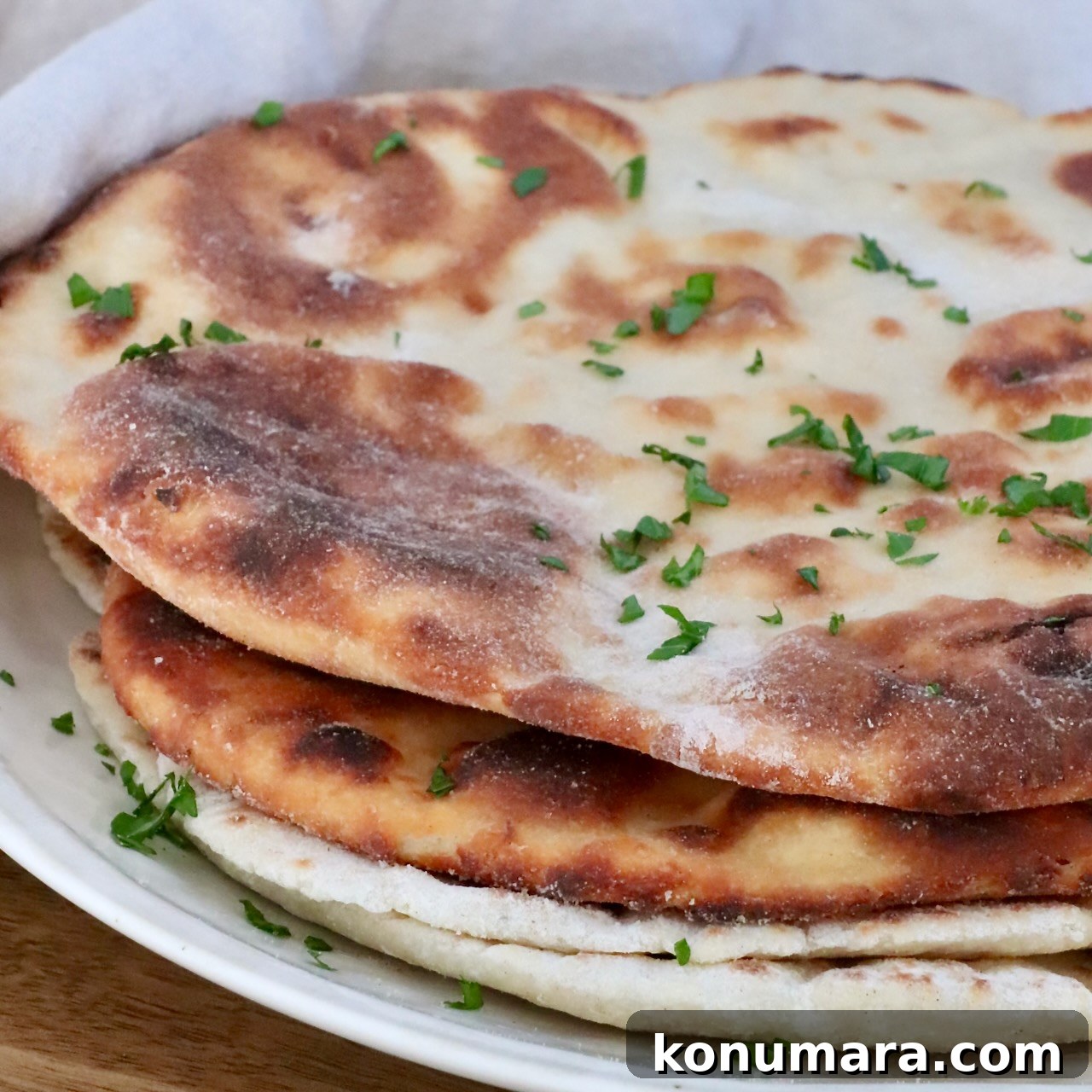
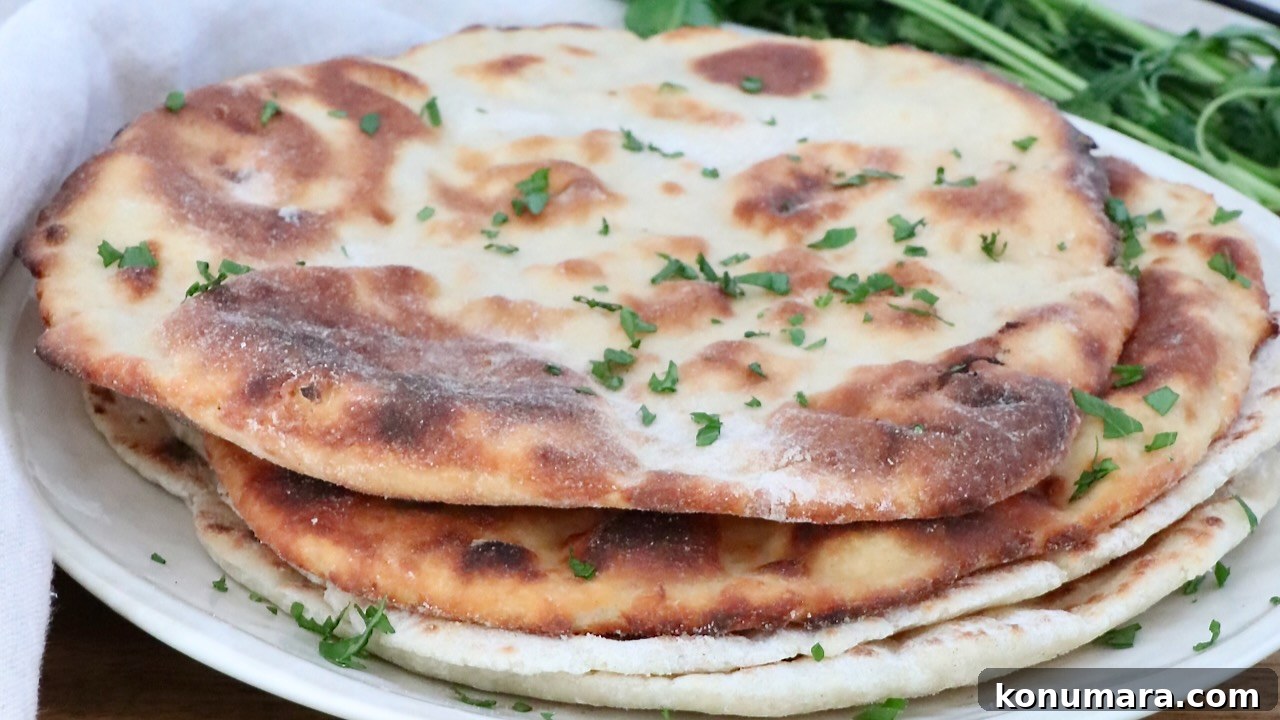
This Greek yogurt flatbread uses just two ingredients—plain Greek yogurt and self-rising flour—and requires no yeast. The result is a soft, slightly chewy flatbread with charred, puffy spots from high-heat cooking. Each flatbread delivers roughly 9–11 grams of protein (depending on the yogurt you choose), making it an easy, protein-rich swap for wraps, pizza bases, or dipping bread. Make a batch on Sunday and you’ll have versatile, high-protein flatbreads ready for the week.
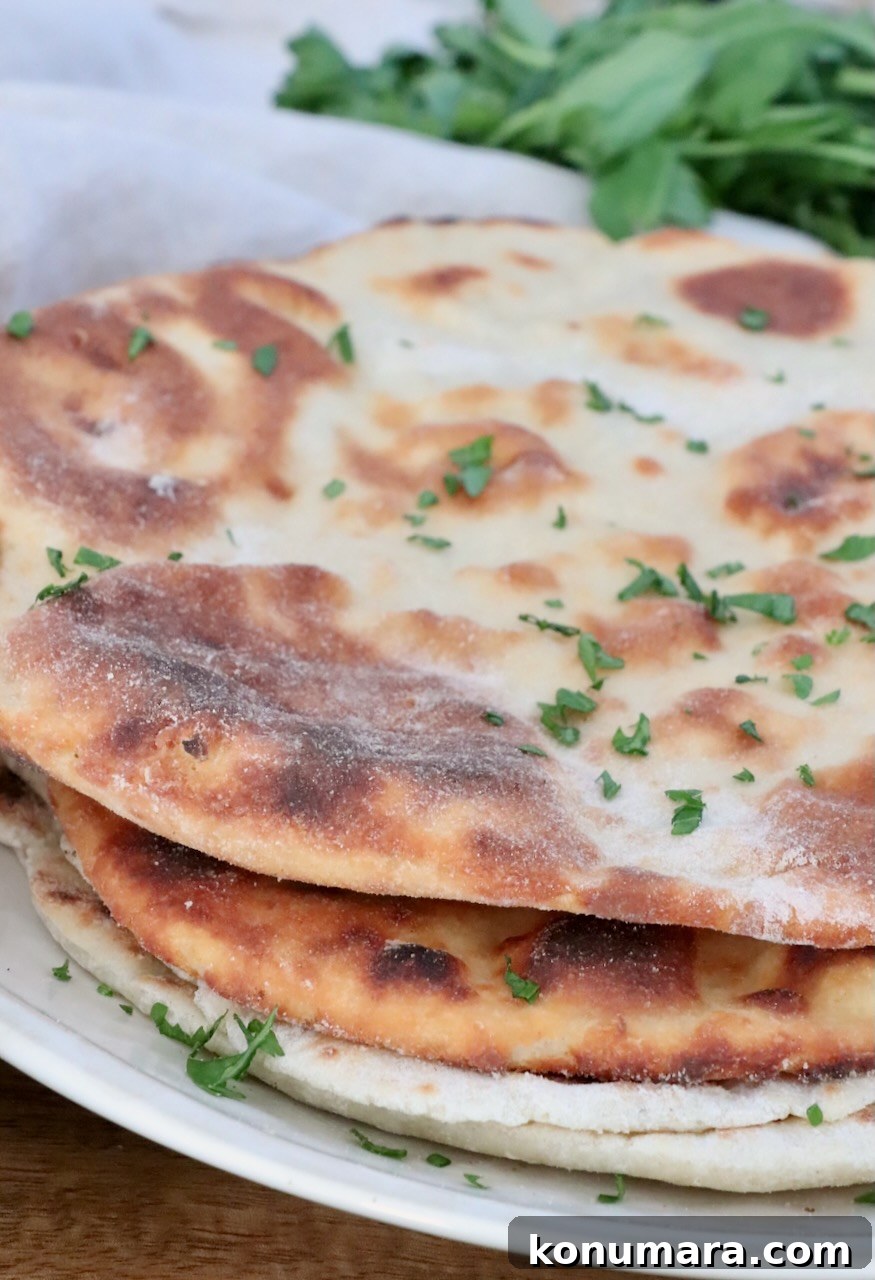

Bread that pulls its weight (in protein!)
As a nutrition coach I often help people reach their protein goals, and one of the biggest meal-prep challenges is bread. Store-bought wraps and “protein” breads can be expensive or loaded with long ingredient lists. This two-ingredient flatbread is a practical solution: Greek yogurt adds protein and acidity, and self-rising flour provides lift without yeast.
I make a batch of four on Sunday and use them throughout the week for sandwiches and wraps, quick flatbread pizzas, or for dipping into hummus and warm bean dishes. They take about 15–20 minutes from start to finish, depending on your cooking method.

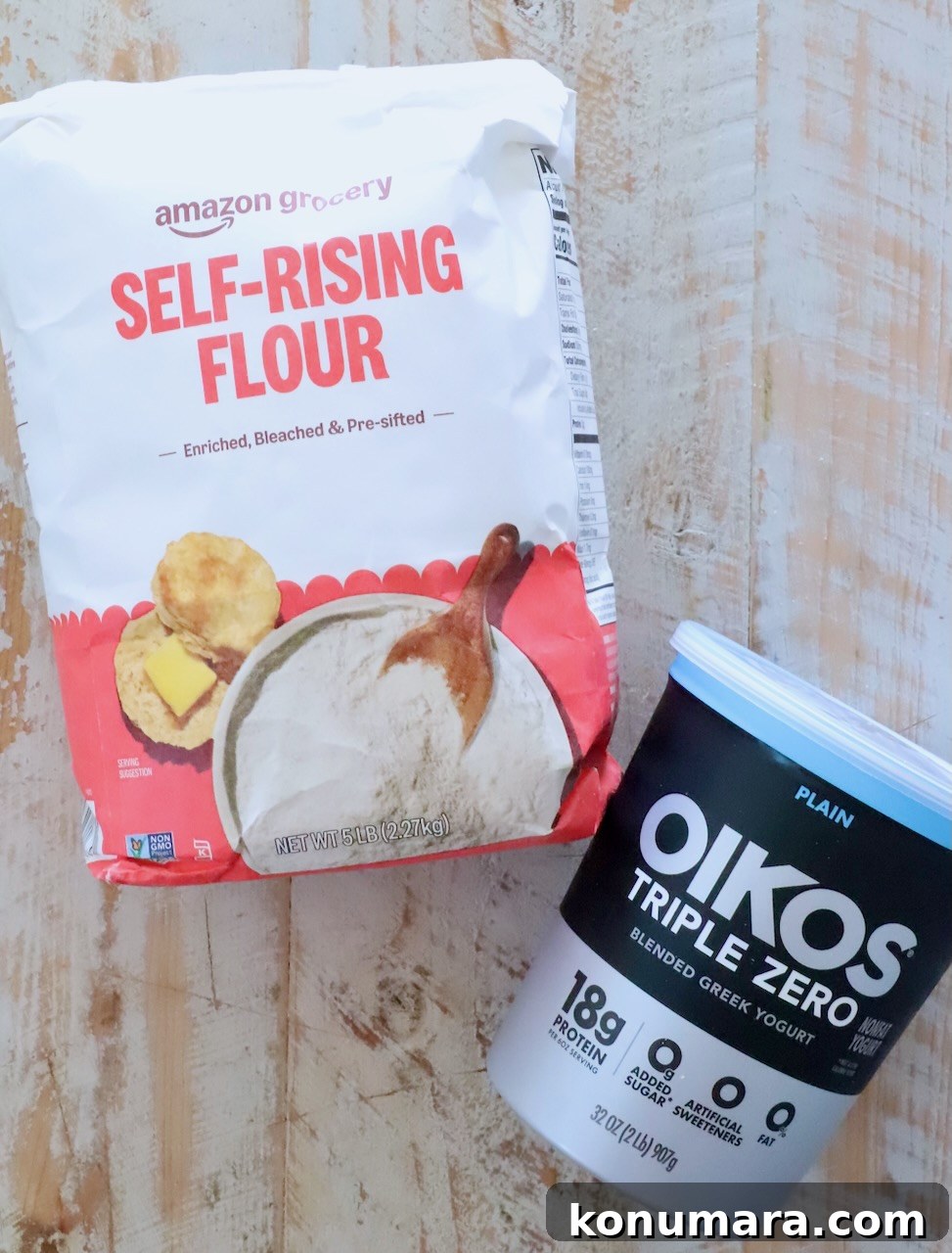
Ingredients
You only need two primary ingredients plus a little salt and optional seasonings. Quantities and full details appear in the recipe card below.
- Plain Greek yogurt: Use plain, unsweetened Greek yogurt. Nonfat or low-fat Greek yogurt both work; nonfat typically yields about 9–10 grams of protein per flatbread, while low-fat may be slightly higher. If your yogurt is particularly thin, you may need a little extra flour.
- Self-rising flour: This contains baking powder already, which lets you skip yeast. If you don’t have self-rising flour, substitute 1 cup all-purpose flour plus 2 teaspoons baking powder.
- Salt and seasonings (optional): A teaspoon of salt is a good default for plain flatbreads. If you plan to add salty mix-ins (like cheese or an everything-bagel seasoning), reduce added salt.
Swaps and mix-ins
This flatbread is a neutral canvas—after dividing the dough you can knead seasonings into each piece or fold them into the entire batch. Add about 1 teaspoon of seasoning per flatbread (or 4 teaspoons total) and experiment:
- Italian: Italian seasoning for pizza-style flatbreads.
- Everything bagel: A tasty salty finish—reduce the additional salt.
- Za’atar: Earthy and fragrant; pairs beautifully with hummus and salads.
- Jalapeño cheddar: Finely diced jalapeño and shredded cheddar for a spicy, cheesy version—cut extra salt.
- Garlic herb: Garlic powder in the dough or brush hot flatbreads with garlic butter and parsley.
Tip: Self-rising flour usually contains salt, so adjust added salt and salty seasonings accordingly.
How to make Greek yogurt flatbread
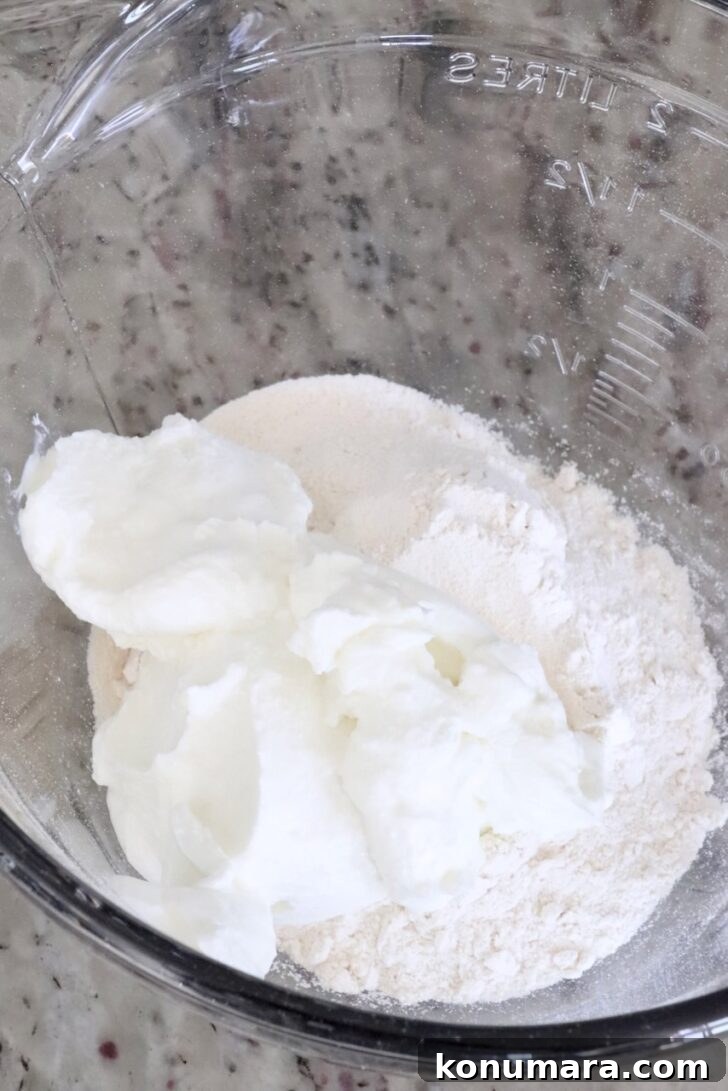
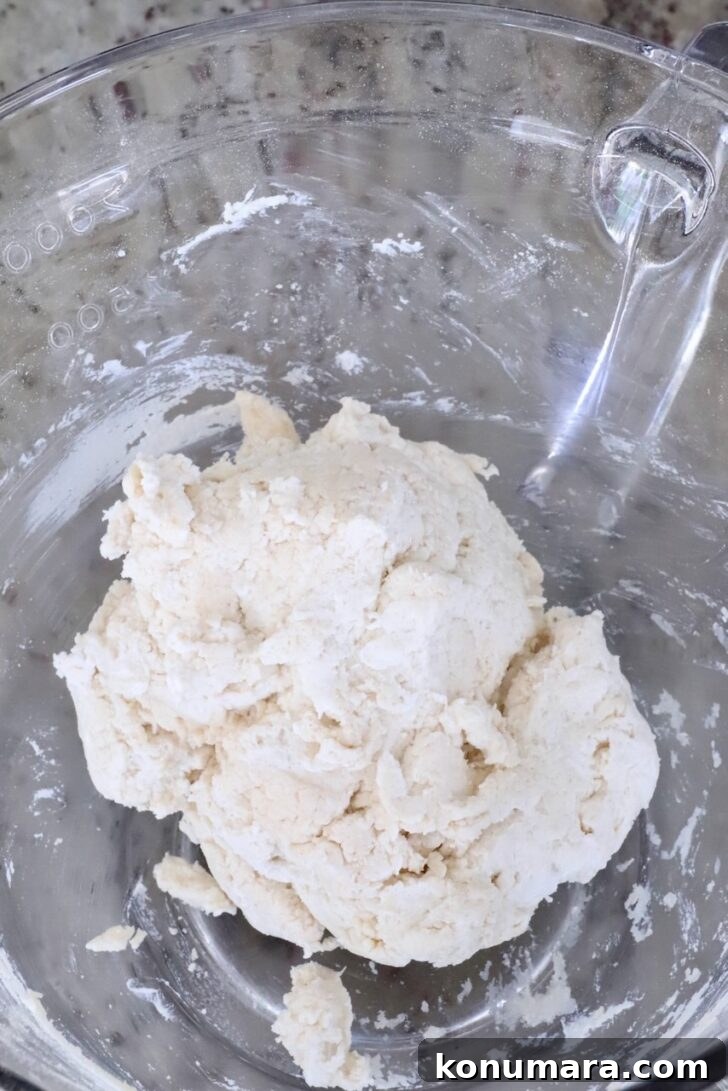
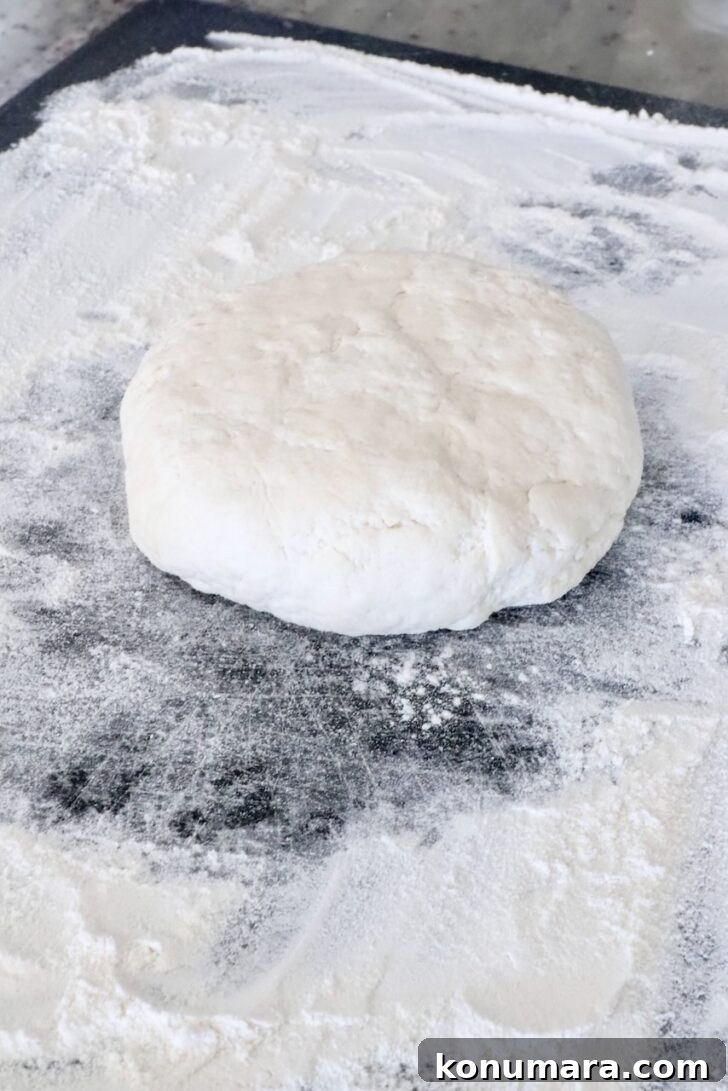
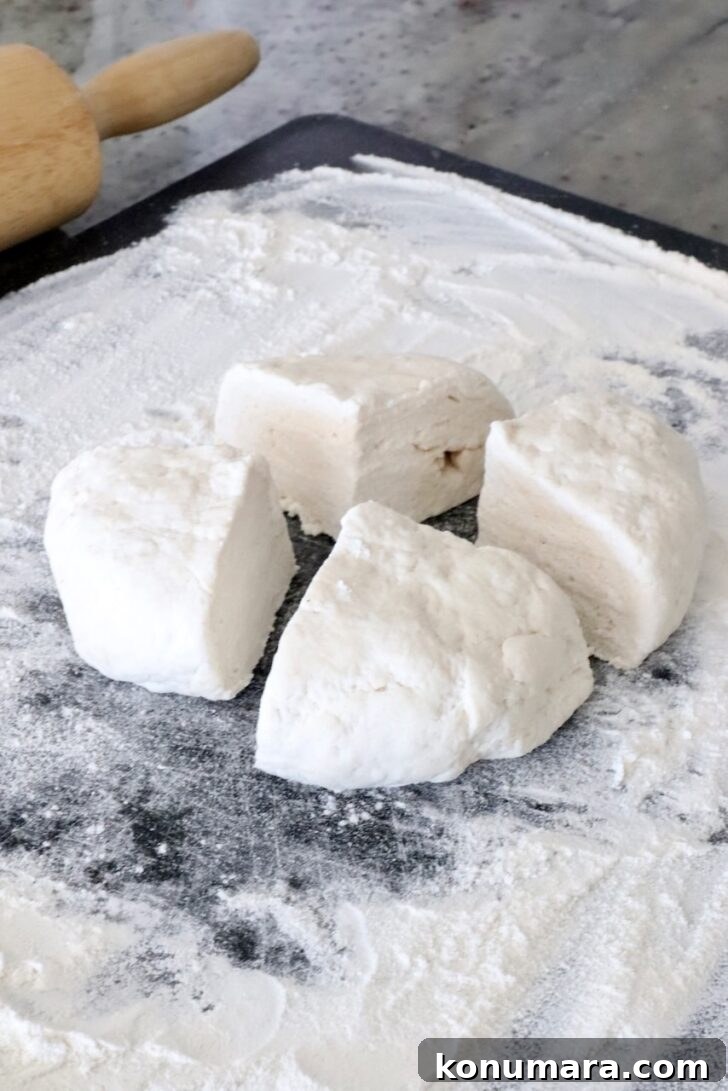
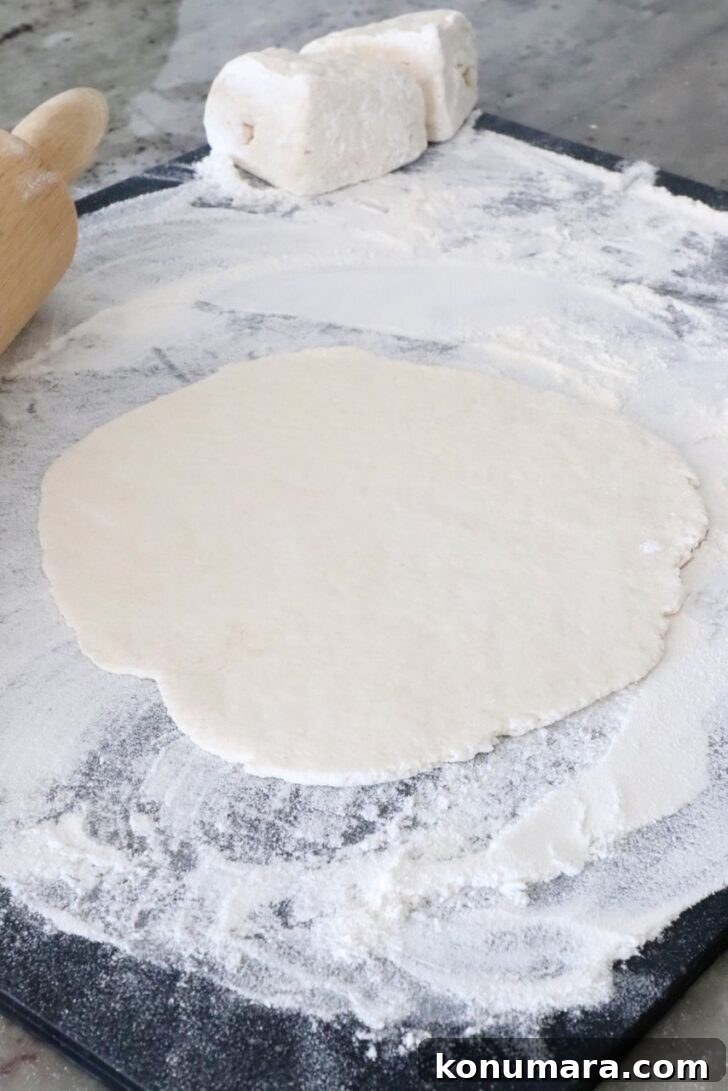
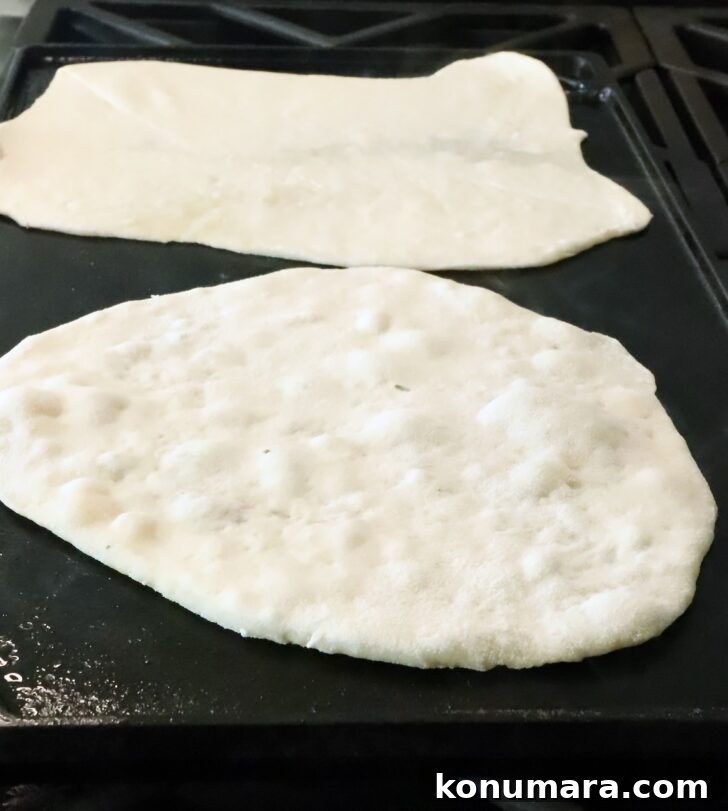
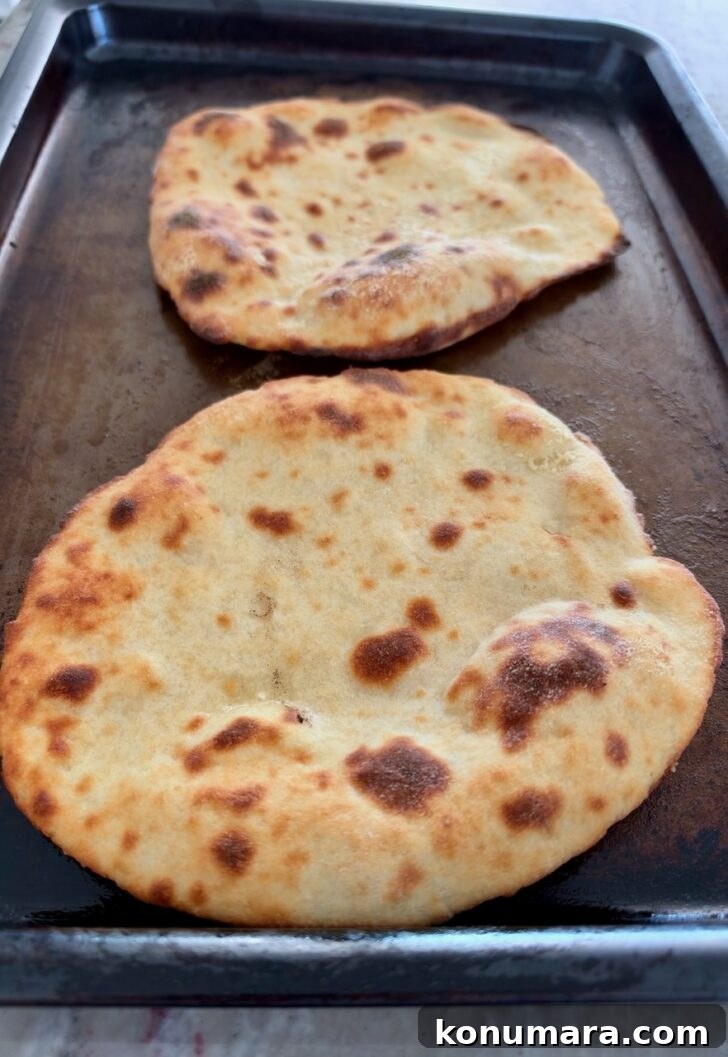
Below are step-by-step photos to guide you. The full, concise recipe instructions are included in the recipe card at the end of the article.
My testing tips
After testing this recipe many times, here are reliable tips to help you succeed on the first try:
- If the dough is too sticky, add flour 1 tablespoon at a time until it no longer clings to your hands.
- If the dough is too dry or crumbly, add yogurt 1 tablespoon at a time until the dough comes together.
- Flour your work surface and rolling pin liberally so the dough doesn’t stick while you roll.
- You can use any plain Greek yogurt. Regular (non-Greek) yogurt is much thinner and will require additional flour and adjustments.
- A short rest for the dough is optional—results were similar with or without a resting period, so you can make these in about 15–20 minutes without waiting.
- No cast iron required: a non-stick skillet or the oven broiler both work well. The broiler is handy for cooking several flatbreads at once.
What to serve them with
These flatbreads are great with saucy mains, soups, and dips. They work especially well for wrapping salads or chicken salad, for quick personal flatbread pizzas, or for dunking into hummus and warm bean dishes. Try serving them with:
- Mediterranean baked beans or white bean stews
- Beet hummus, classic hummus, or other dips
- Hearty soups like broccoli-cheddar or pasta e fagioli
- Grilled vegetables, roasted meats, or a simple salad
Looking for more protein, with more flavor?
Try using these flatbreads in weekly meal prep: swap them for tortillas and sandwich bread to boost protein and stretch your meals farther while keeping flavors bright and simple.
High-Protein Flatbreads
Soft, charred, no-yeast flatbreads made with plain Greek yogurt and self-rising flour. About 9–11 grams of protein per flatbread depending on yogurt choice.
Servings: 4 flatbreads
Prep Time: 10 minutes • Cook Time: 8 minutes • Total Time: 18 minutes
Author: Whitney Bond
Ingredients
- 1 cup plain unsweetened Greek yogurt
- 1 cup self-rising flour (or 1 cup all-purpose flour + 2 tsp baking powder)
- 1 teaspoon salt (optional or to taste)
Equipment
- Rolling pin (or a bottle will do in a pinch)
- Cast-iron or non-stick skillet, or a baking sheet for broiling
Instructions
- Combine the Greek yogurt and flour in a large bowl. Stir until a shaggy dough forms; add salt if using.
- If the dough feels dry, add 1 tablespoon yogurt at a time. If too sticky, add flour 1 tablespoon at a time. The dough should be smooth and not cling to your hands.
- Turn the dough onto a lightly floured surface, knead briefly, and divide into 4 equal pieces.
- Roll each piece into a thin circle about 8 inches across and roughly 1/8 inch thick.
- Heat a skillet over high heat and lightly coat with oil or nonstick spray. When the skillet is hot, cook each flatbread about 2 minutes per side. The breads will puff and develop charred spots.
Oven (broiler) method
- Preheat the broiler and position a rack about 6 inches from the heat source.
- Spray a baking sheet lightly with nonstick spray. Place 2–3 flatbreads on the sheet, spray the tops, and broil 1–2 minutes until bubbling. Flip and broil another 1–2 minutes. Watch carefully—broiler temperatures vary.
Notes
- This recipe yields 4 flatbreads about 8 inches wide. Double the recipe to make 8.
- Nutrition values are estimated for flatbreads made with nonfat plain Greek yogurt—expect roughly 9–11 grams of protein per flatbread.
- If using all-purpose flour, add 2 teaspoons baking powder to replace self-rising flour.
- Store cooled flatbreads in a sealed bag in the refrigerator for up to 5 days. Reheat in a dry skillet for about 30 seconds per side.
- To make smaller flatbreads, divide the dough into 8 pieces and cook approximately 1 minute per side.
Nutrition Facts (per flatbread)
Calories: 143 kcal • Carbohydrates: 24 g • Protein: 10 g • Fat: 1 g • Fiber: 1 g • Sodium: 600 mg (varies with salt used)