
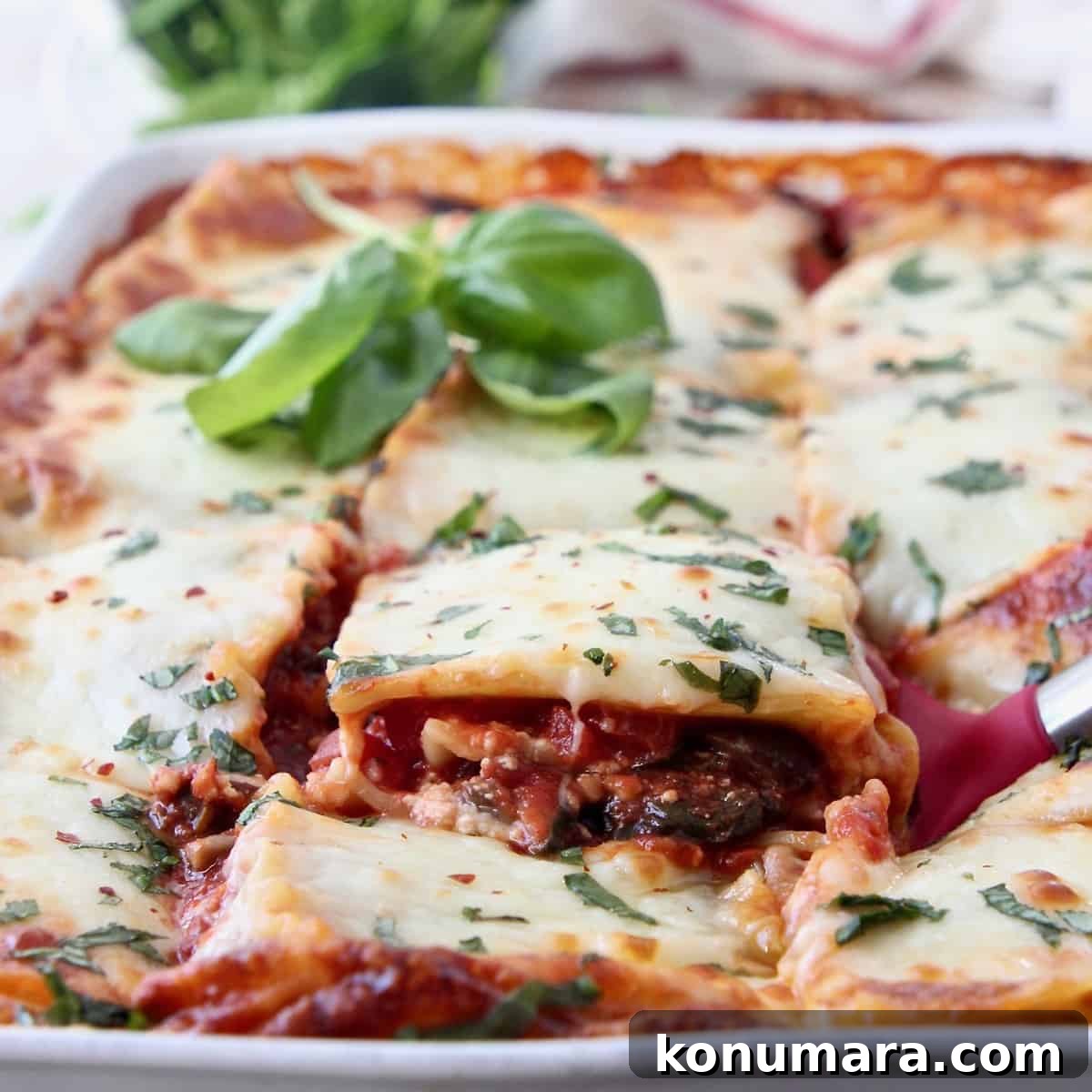
Lighten up your lasagna without sacrificing flavor. This Vegetarian Lasagna is layered with zucchini, mushrooms, spinach and creamy ricotta for a satisfying meatless Italian main course that appeals to vegetarians and meat-eaters alike.
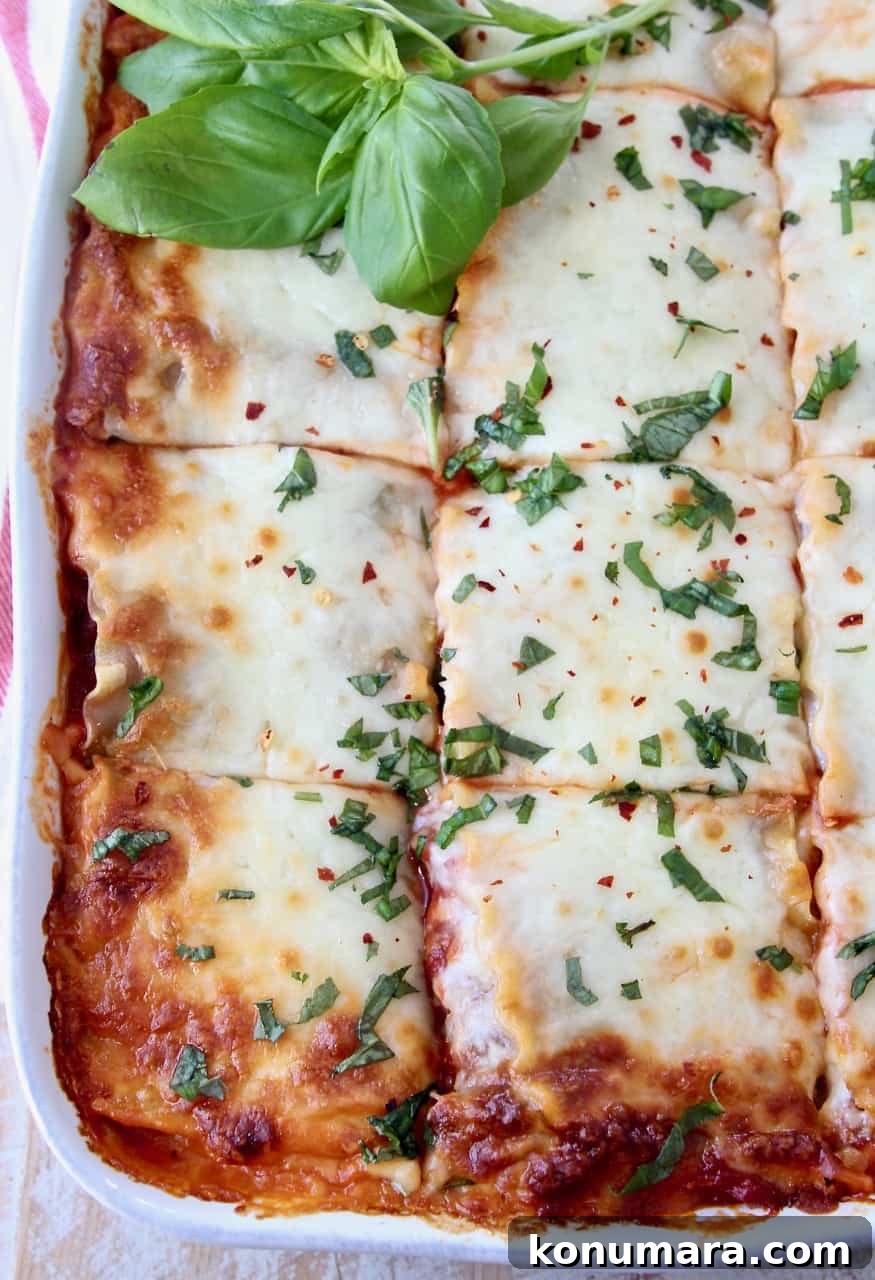
Table of contents
- Ingredients
- Instructions
- Pro tips
- Diet variations
- How to store and reheat
- What to serve with it
- More vegetarian Italian recipes
Lasagna is the ultimate comfort food: saucy, cheesy and deeply satisfying. While classic lasagna often relies on a meat sauce, this vegetarian version proves that a rich, flavorful vegetable filling can be just as comforting and delicious. The trick is building a hearty, well-seasoned vegetable sauce and a creamy, well-bound cheese layer so every slice holds together.
This recipe is flexible and forgiving — you can swap in seasonal vegetables or pantry staples, and you can easily adapt it to be gluten-free or vegan. Below are the essentials and a straightforward method to make a reliable, crowd-pleasing vegetarian lasagna.
Three simple secrets for the best vegetarian lasagna:
- Dice vegetables small for an even-textured sauce that layers nicely between noodles.
- Drain excess liquid after sautéing the vegetables to prevent a watery lasagna.
- Mix an egg into the ricotta (or a binder alternative for vegan versions) so the cheese layer sets and slices cleanly.
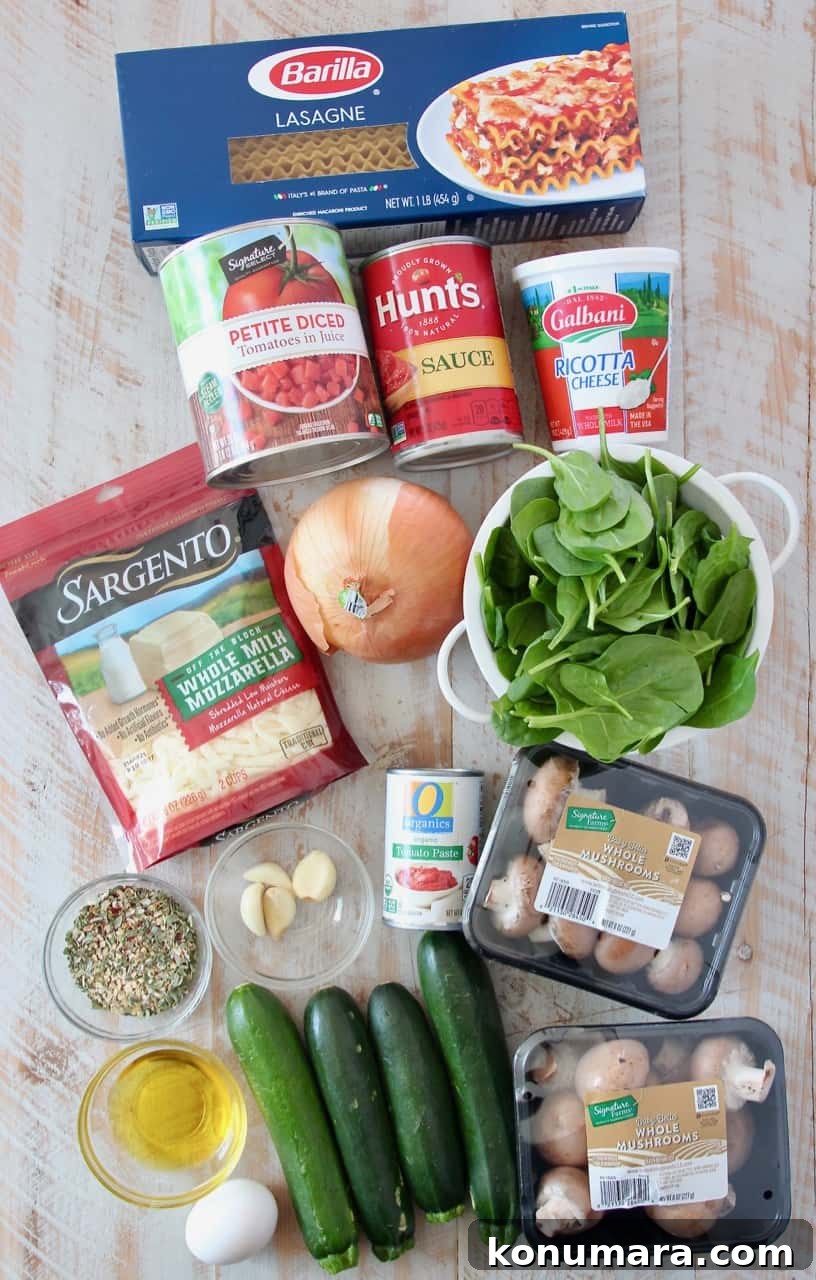
Ingredients
- Lasagna noodles – Classic or no-boil noodles work; no-boil saves time.
- Whole milk ricotta cheese – For a creamy, rich filling; cottage cheese can substitute.
- Egg – Mixed into the ricotta to bind the cheese layer; omit for vegan versions and use a binder like silken tofu or cornstarch-thickened tofu ricotta.
- Italian seasoning – A blend of dried herbs (oregano, basil, thyme, rosemary) to flavor the sauce and cheese.
- Low-moisture mozzarella – Prevents excess water and creates a bubbly top layer.
- Olive oil – For sautéing the vegetables.
- Baby bella or button mushrooms – Small-diced so they blend into the sauce.
- Zucchini – Small-diced; summer squash is a good alternative.
- Onion – Adds sweetness and depth.
- Garlic – Minced for aroma and flavor.
- Baby spinach – Adds color, nutrients and a tender texture.
- Tomato paste – Thickens the sauce and concentrates tomato flavor so the lasagna isn’t watery.
- Tomato sauce – The base of the vegetable sauce.
- Petite diced tomatoes – For bite and texture.
- Salt – To taste; balances and enhances the flavors.
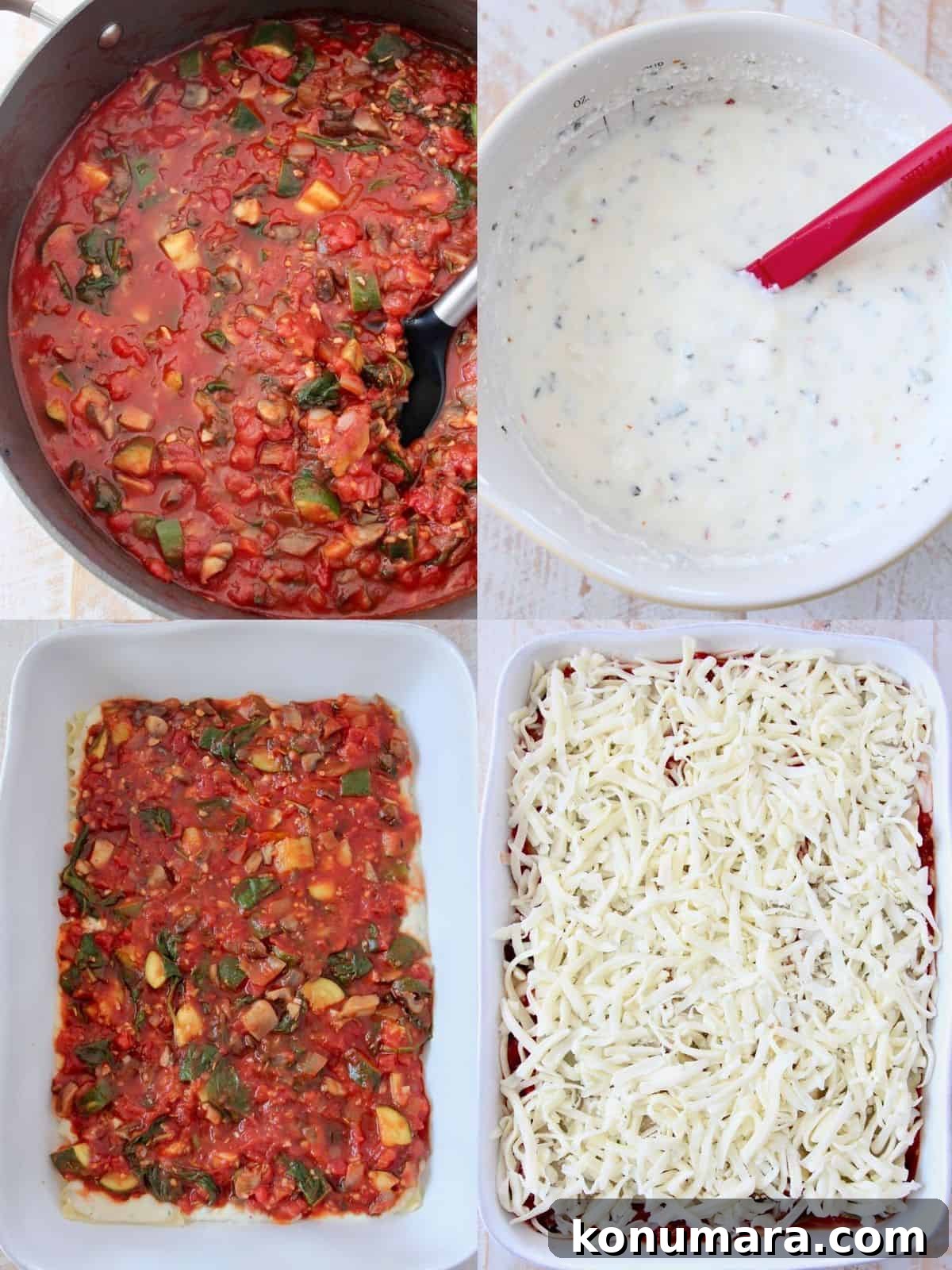
Instructions
- Prepare the vegetable sauce
- Heat 2 tablespoons olive oil in a large skillet over medium-high heat.
- Add diced mushrooms, diced zucchini and diced onion. Sauté 6–8 minutes until softened and lightly browned. A small dice gives the best texture for layering.
- Carefully drain any liquid from the skillet to avoid a watery final dish.
- Return the skillet to the heat, add minced garlic and baby spinach, and sauté 1–2 minutes until the spinach wilts.
- Stir in tomato paste, then add tomato sauce, diced tomatoes, about 3 tablespoons Italian seasoning and 2 teaspoons salt.
- Bring to a simmer, reduce heat to low, cover and let simmer 20 minutes to meld flavors and thicken the sauce.
- Prepare noodles and cheese
- Preheat oven to 375°F (190°C).
- If using traditional noodles, boil in a large pot of salted water until al dente (about 4–5 minutes), drain and lay out in a single layer so they don’t stick. No-boil noodles can skip this step.
- In a bowl, combine 15 ounces whole milk ricotta, 1 egg, 1 tablespoon Italian seasoning and 1/4 cup shredded mozzarella. Set aside.
- Assemble the lasagna
- Place 3 lasagna noodles in the bottom of a 9×13-inch baking dish.
- Spread a layer of the ricotta mixture over the noodles, then add a layer of the vegetable sauce.
- Repeat layers (noodles, ricotta, sauce) two more times.
- Finish with the final 3 noodles on top and cover with the remaining shredded mozzarella (about 2 3/4 cups divided use).
- Bake
- Tent tightly with aluminum foil and bake 30 minutes.
- Remove foil and bake an additional 15–20 minutes until cheese is golden and bubbling.
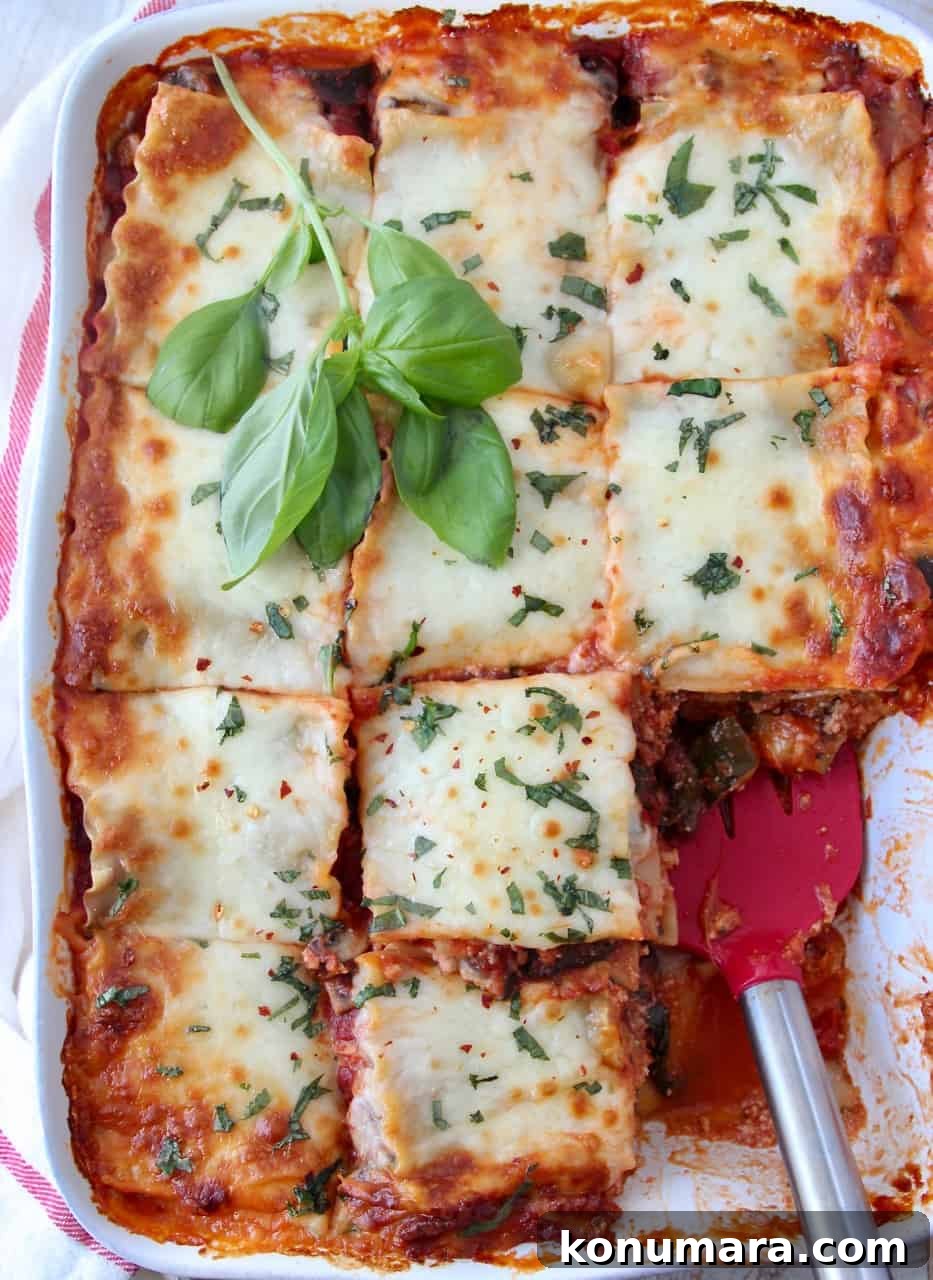
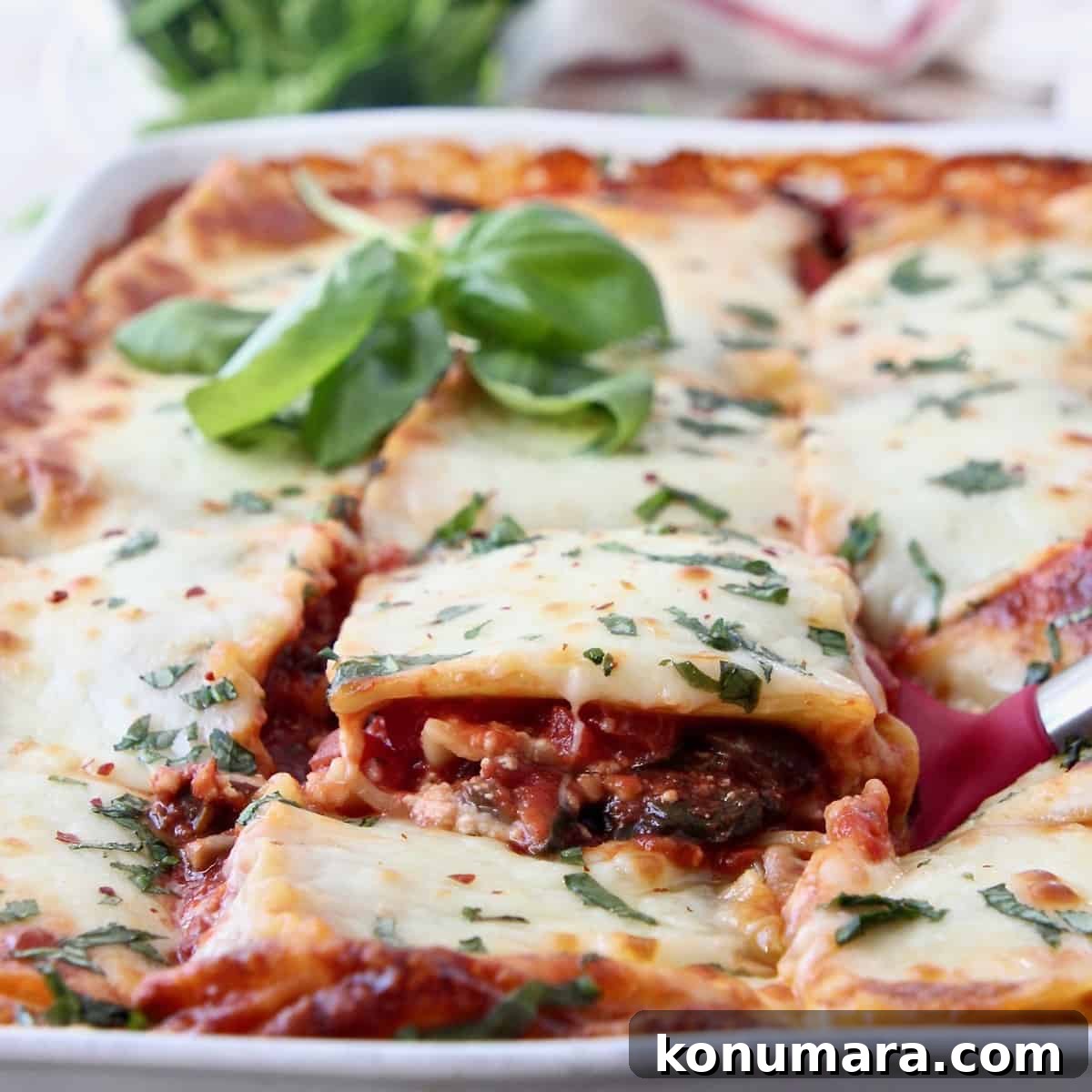
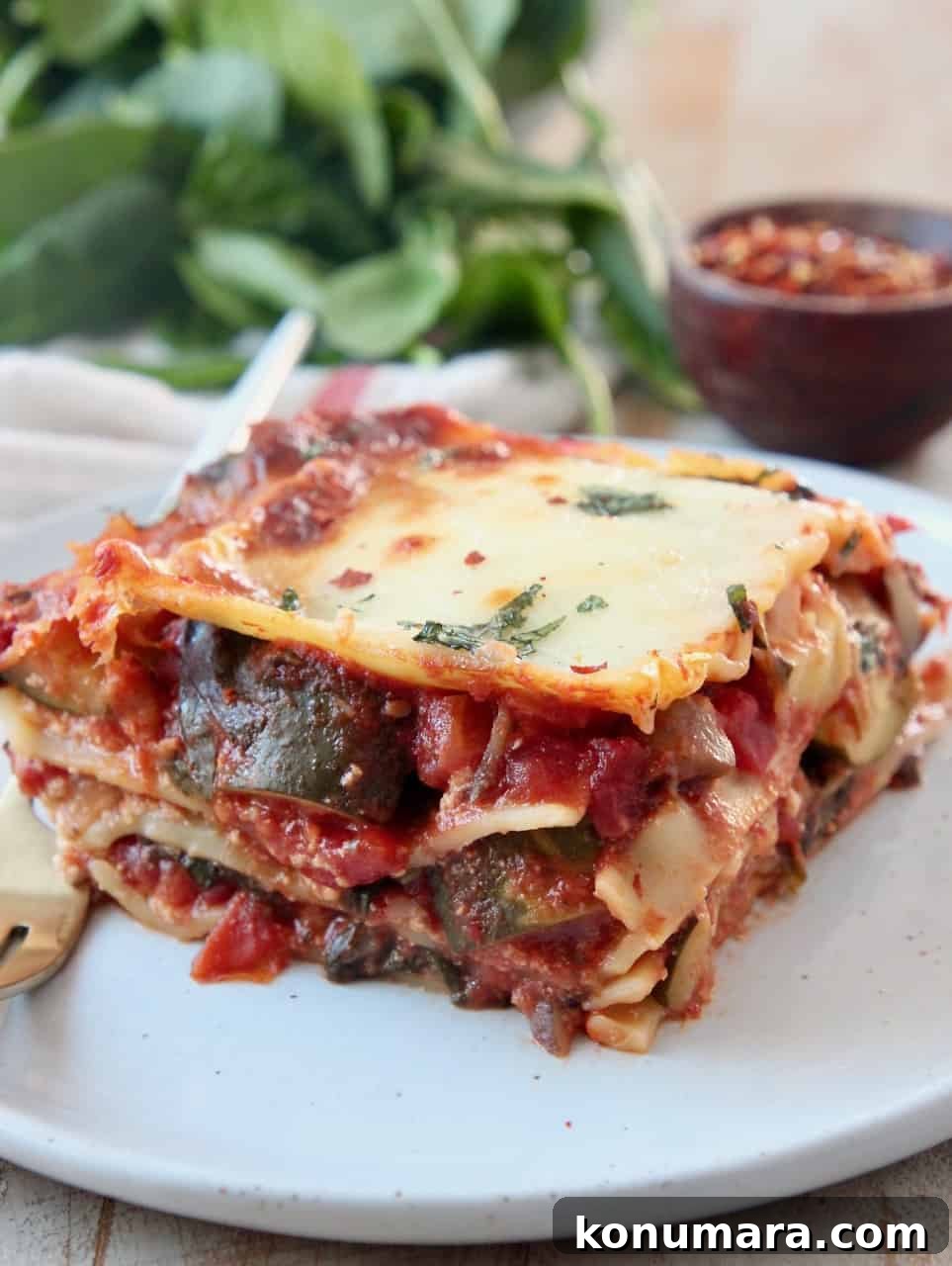
- Let the lasagna rest 15–20 minutes before slicing so the layers set cleanly. Garnish with freshly grated Parmesan, basil or red pepper flakes if desired.
Pro tips
- Use other vegetables: Bell peppers, summer squash, carrots or broccoli work well. Chop them small so they blend into the sauce.
- Drain excess liquid: After sautéing vegetables, drain juices to prevent a soggy lasagna.
- Make the sauce ahead: The vegetable sauce can be made up to 2 days in advance and refrigerated. Assemble and bake when ready.
- Rest before slicing: Allow the baked lasagna to cool uncovered 15–20 minutes for neat, even slices.
Diet variations
Gluten-free: Substitute gluten-free lasagna noodles; the other ingredients are naturally gluten-free.
Vegan: Swap ricotta for a tofu-based or store-bought vegan ricotta, use vegan mozzarella and omit the egg. Silken tofu blended with nutritional yeast, lemon juice and seasoning makes a quick tofu ricotta alternative.
How to store and reheat
- To store: Assembled but uncooked lasagna should be refrigerated and baked within 24 hours. Cooked lasagna keeps up to 7 days in the refrigerator.
- To freeze: Freeze unbaked lasagna (cover tightly) for up to 6 months. Consider making two 8×8 pans — bake one and freeze the other. Thaw in the refrigerator 24 hours before baking.
- To reheat: For a whole pan from the fridge, preheat oven to 350°F, cover with foil and heat 20 minutes or until cheese bubbles. Individual portions reheat well in the microwave for a few minutes.
What to serve with it
This lasagna is filling on its own but pairs beautifully with a crisp salad or freshly baked bread. Consider a simple Italian-style salad, rosemary focaccia, garlic breadsticks or a light panzanella to balance the richness.
- Rosemary focaccia or crusty bread
- Classic panzanella or mixed green salad
- Garlic breadsticks or cheesy garlic bread
- Roasted vegetable or grain-based salads for a lighter side
More vegetarian Italian recipes
Try these other vegetarian Italian-style dishes for variety:
- Quinoa Caprese Salad
- Sweet Potato Ravioli
- Tomato Basil Gnocchi Soup
- One-Pot Vegetarian Pesto Tortellini
- Sheet Pan Gnocchi with Butternut Squash & Crispy Kale
- Creamy Vegetarian Tortellini Soup
- Tomato Basil Bruschetta
- Grilled Vegetable Italian Panini
Notes & Nutrition
- This recipe serves about 6 people. It’s easy to halve or double depending on your needs.
- Make the vegetable sauce ahead for faster assembly on the day you bake.
- Freeze an unbaked pan for easy future meals — thaw overnight in the refrigerator before baking.
Nutrition (approx. per serving)
- Calories: 693 kcal
- Protein: 39 g
- Carbohydrates: 77 g
- Fat: 28 g
- Sodium: 2016 mg