
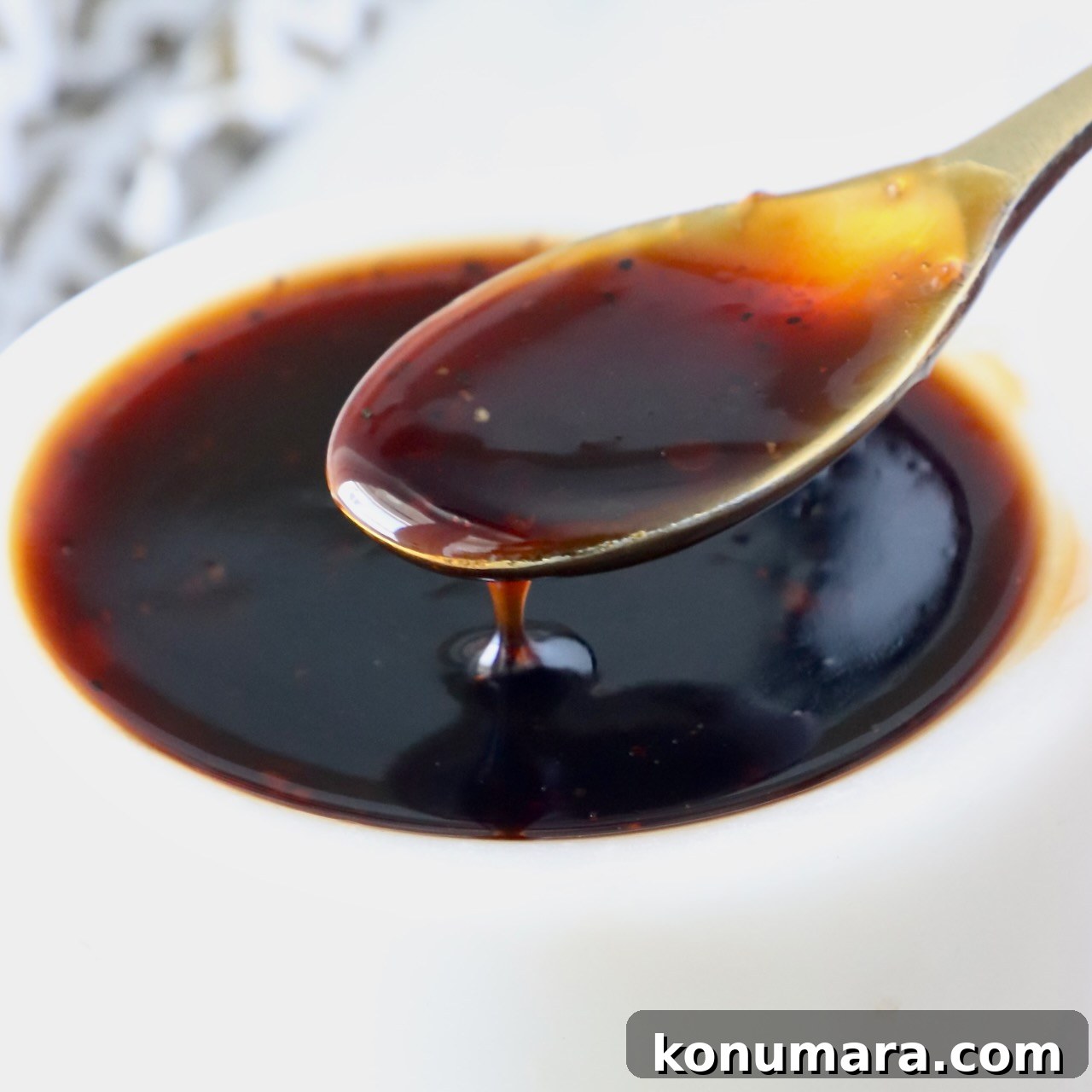
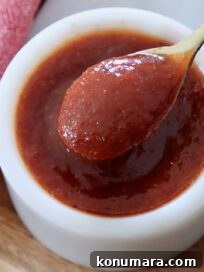
Meet your new go-to flavor booster: this Korean BBQ Sauce is sweet, savory, tangy and deeply satisfying. Combining soy sauce, brown sugar, garlic and fresh ginger, this easy homemade sauce delivers bold, authentic Korean-inspired taste that lifts grilled meats, chicken wings, bulgogi, rice bowls and roasted vegetables. Ready in about 10 minutes, it tastes fresher and more vibrant than most store-bought bottles.
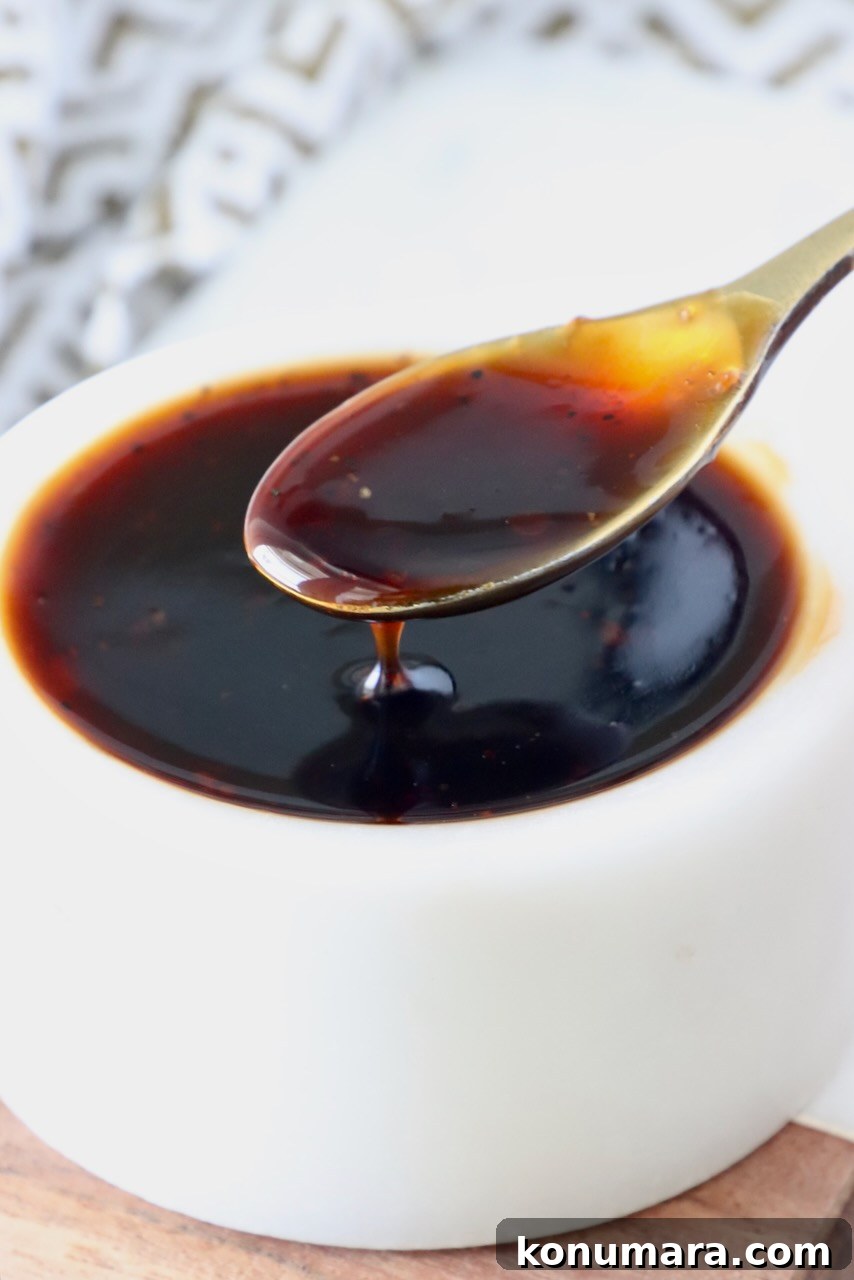
Why this Korean BBQ sauce stands out
This Korean BBQ sauce is a versatile, fast and flavor-packed condiment that first appeared alongside a Korean BBQ chicken taco recipe. Since then it has become a staple for glazing and finishing a wide range of dishes. The balance of sweet, salty, tangy and umami makes it easy to pair with protein, vegetables and starches alike.
Key reasons this recipe is so popular:
- Layered, balanced flavor. Brown sugar brings sweetness, soy sauce supplies savory saltiness, rice vinegar adds brightness, and chili paste contributes heat and depth. Together they create a sauce with multiple complementary taste notes.
- Extremely versatile. Use it as a glaze, dipping sauce, marinade or finishing drizzle for chicken, beef, pork, fish, tofu, roasted vegetables, rice bowls and more.
- Quick and simple. With about 10 minutes of active time and a short ingredient list, you can make a batch anytime and store it for easy use all week.
Ingredients
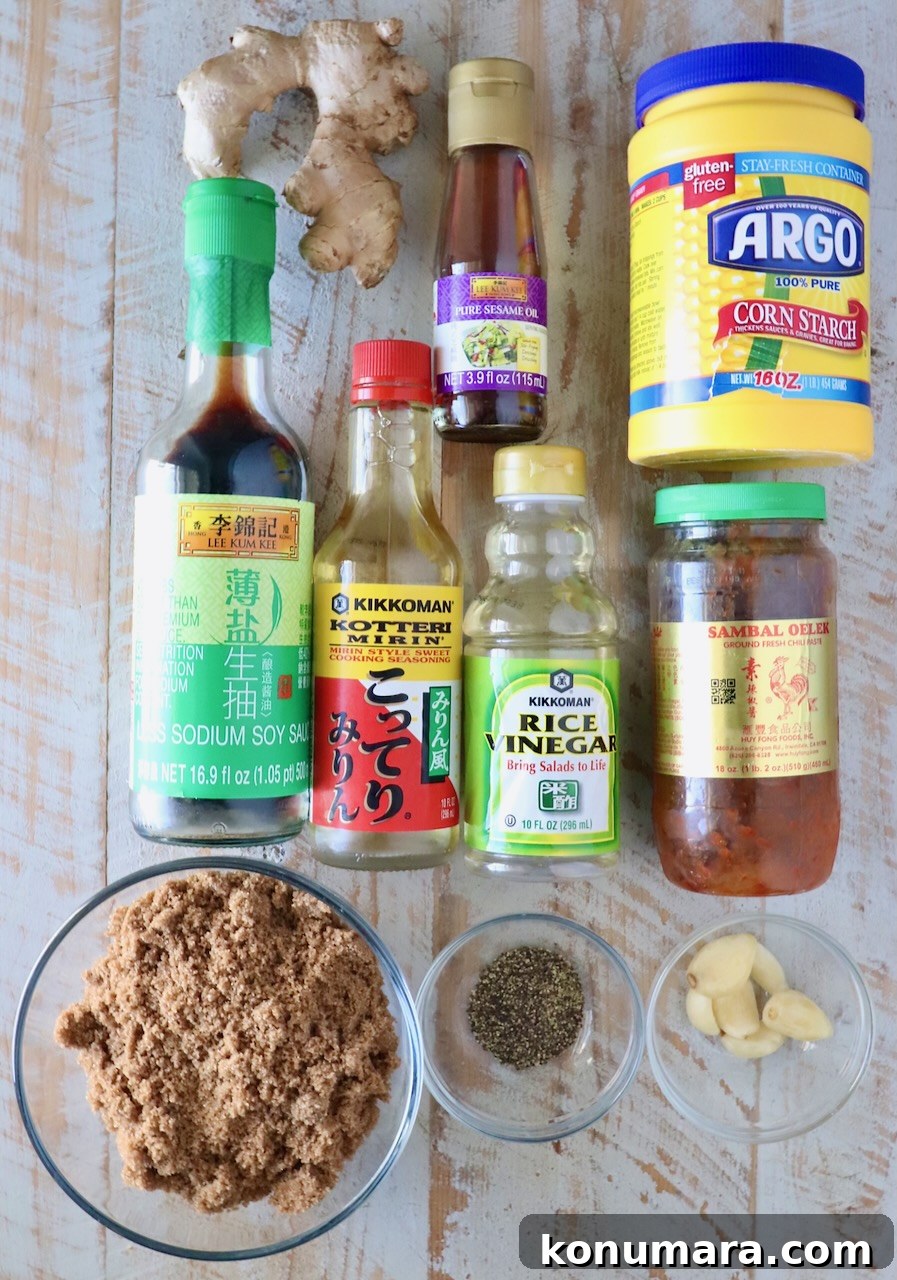
Below are the ingredients and their roles in the sauce. Quantities are listed in the recipe card at the bottom of this page.
- Brown sugar – provides sweetness, body and caramel notes.
- Soy sauce – supplies savory umami and salt. Use tamari for a gluten-free option or coconut aminos if avoiding soy.
- Rice vinegar – brightens the sauce and balances sweetness.
- Mirin – a sweet rice cooking wine that adds a subtle rounded sweetness and umami depth; substitute extra rice vinegar if unavailable.
- Chili paste – sambal oelek adds straightforward chili heat. You can swap in gochujang for a milder heat and deeper fermented flavor.
- Sesame oil – delivers toasted, nutty aroma in a small amount.
- Fresh ginger and garlic – grated ginger and crushed garlic give brightness and aromatic complexity.
- Cornstarch – used as a slurry to thicken the sauce to a glossy finish.
- Ground black pepper – a pinch to round out flavors.
Instructions
Follow these simple steps to make the sauce. The method is quick: combine, simmer, thicken and cool. Pictures below illustrate the cooking and thickening stages.
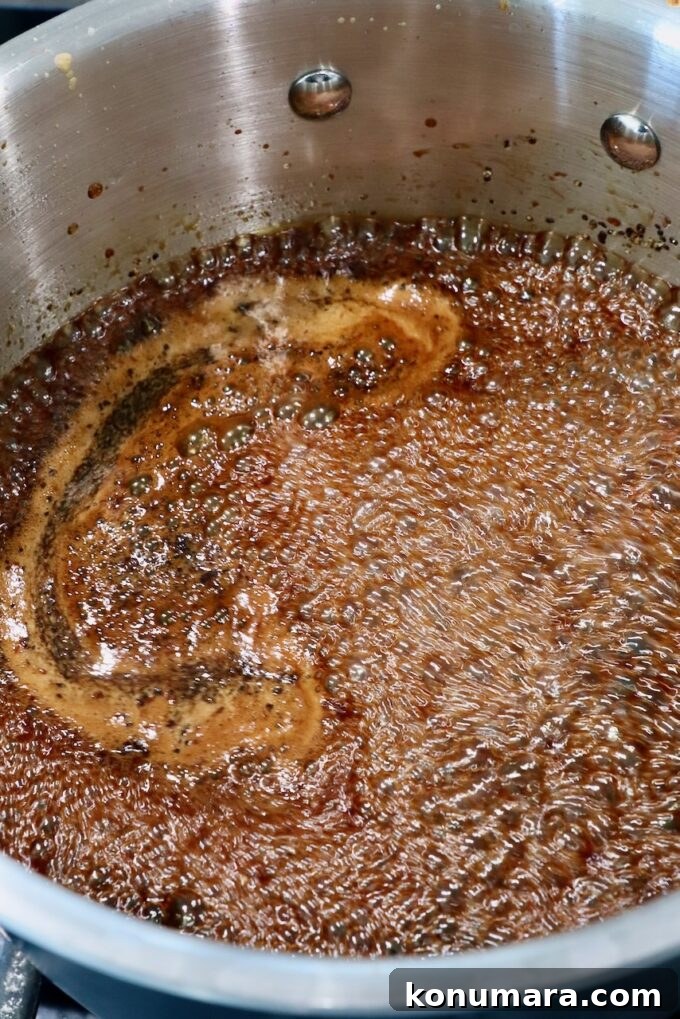
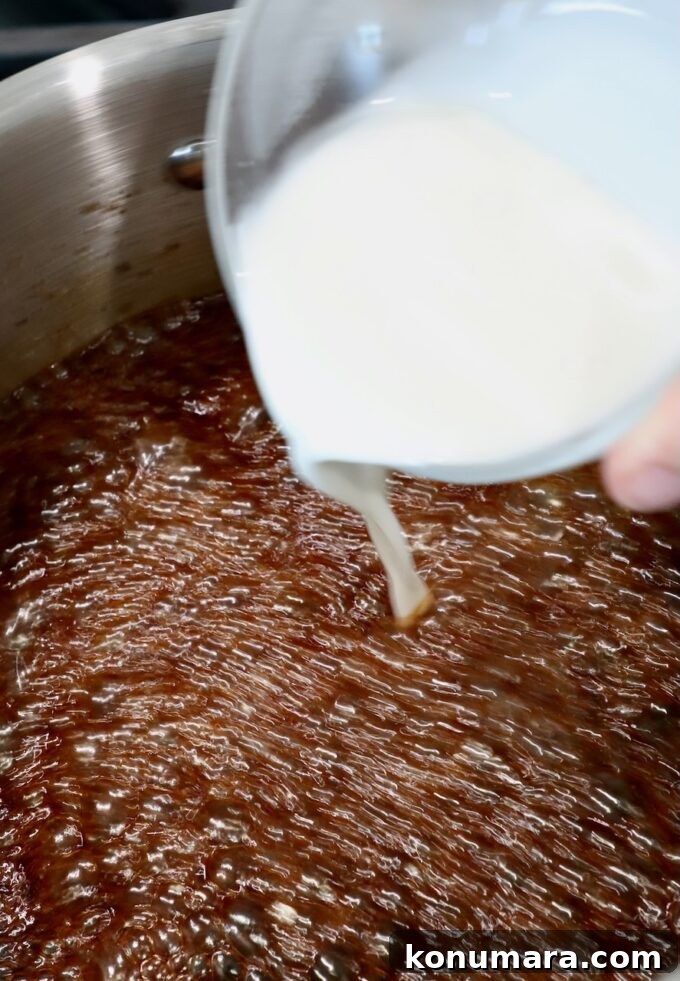
- Combine and boil: In a medium saucepan combine brown sugar, soy sauce, mirin, water, rice vinegar, chili paste, sesame oil, black pepper, crushed garlic and grated ginger. Bring the mixture to a boil over high heat, then reduce slightly and simmer for 5–7 minutes, stirring occasionally so the sugar dissolves and flavors meld.
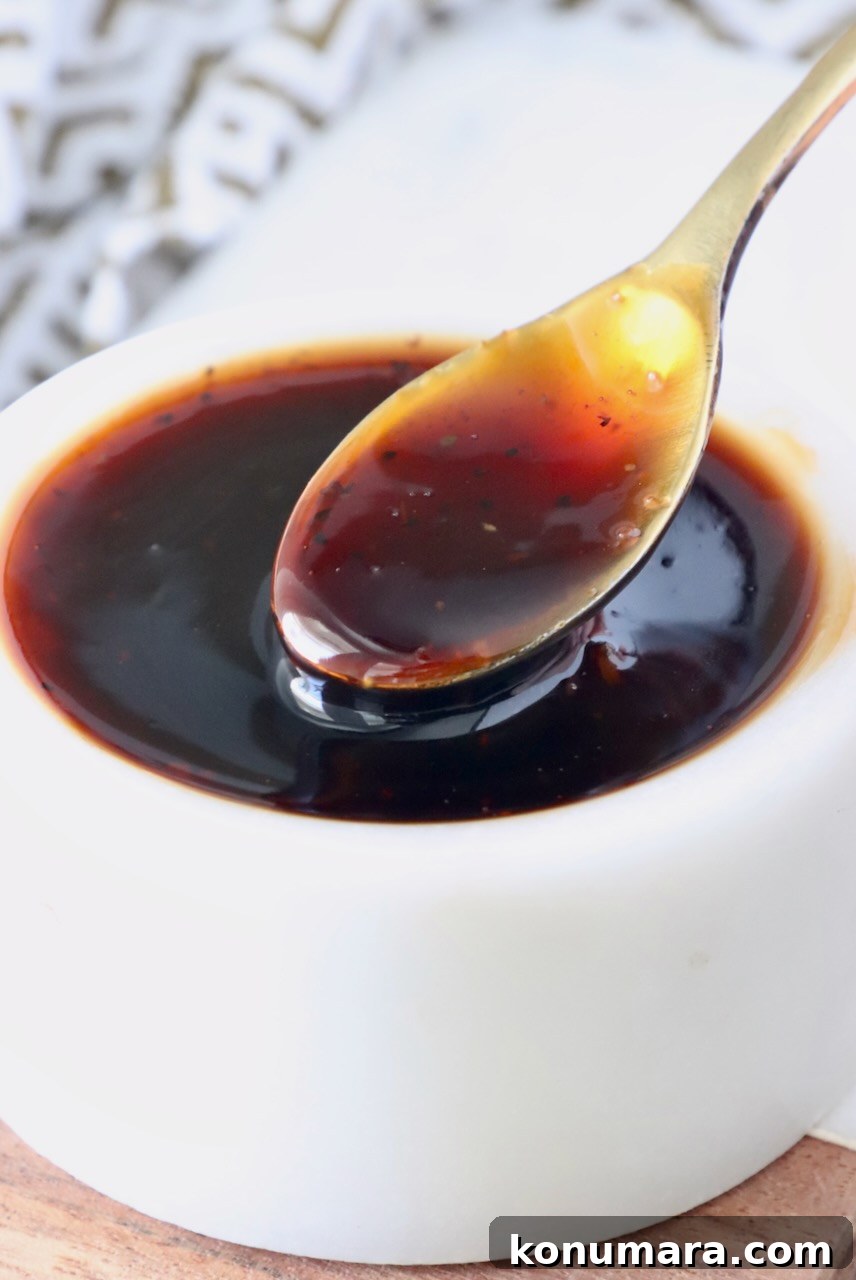
- Thicken with a slurry: Mix the cornstarch with cold water in a small bowl to create a smooth slurry. After the sauce has simmered for about 5 minutes, whisk the cornstarch slurry into the pot. Continue to cook over medium heat for 3–4 minutes, stirring regularly, until the sauce reaches a glossy, spoon-coating thickness.
- Finish and store: Remove from heat and let cool. Use immediately as a glaze or toss, or allow it to cool completely and store in an airtight container in the refrigerator for up to two weeks.
Ways to use it
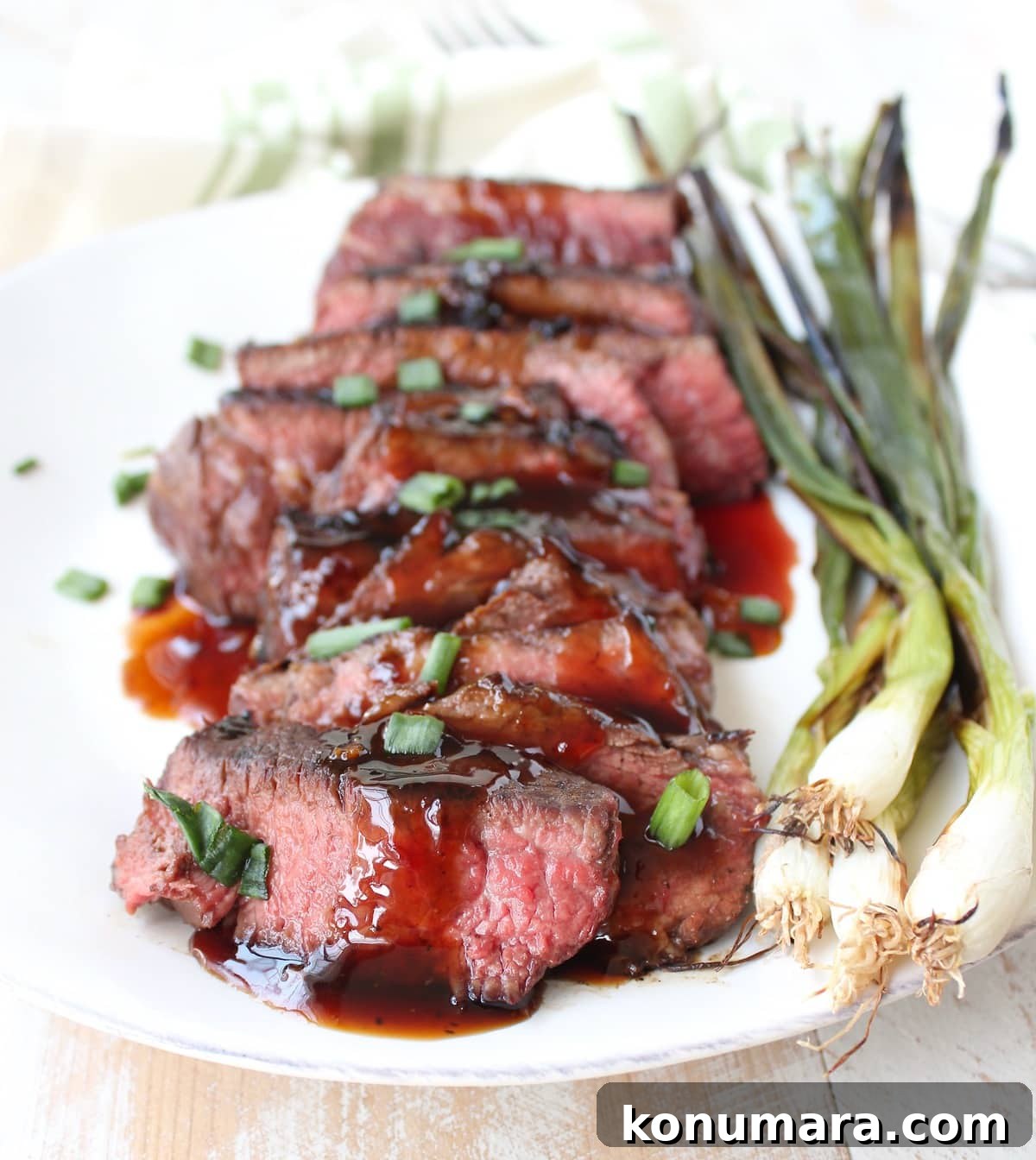
This sauce is extremely adaptable — make a batch and experiment. Below are popular ways to use it.
- Korean-style short ribs or other grilled beef cuts
- BBQ burgers or glazed chicken breasts
- Grilled salmon or other firm fish as a finishing glaze
- Buddha bowls, cauliflower rice bowls and noodle bowls
- Slow-cooker chicken tacos or tossed with pulled pork
- Tossed with smoked or air-fryer chicken wings as a sticky glaze
- Drizzled over roasted vegetables or used as a dipping sauce for fries and strips
Use it as a marinade for beef, pork or chicken for at least 30 minutes (or overnight for deeper flavor), or brush it on during the last minutes of grilling for a caramelized finish.
Spice level
This sauce leans sweet with a mild to moderate heat. If you prefer more heat, increase the chili paste by 2–4 tablespoons, or taste and adjust after cooking. Swapping in gochujang will reduce sharp heat while adding fermented umami depth.
Other sauce ideas
If you enjoy making sauces at home, you might also like these popular options:

Stir Fry Sauce
Garlic Parmesan Sauce

Quesadilla-Style Sauce
Jack Daniel’s BBQ Sauce
Korean BBQ Sauce
Sweet, savory, tangy and quick to make, this Korean BBQ sauce elevates grilled and roasted foods. It takes about 10–12 minutes from start to finish and yields roughly 32 ounces of sauce—enough to glaze several meals or keep in the fridge for regular use.
Servings: about 32 ounces
Prep Time: 4 minutes | Cook Time: 8 minutes | Total Time: 12 minutes
Author: Whitney Bond
Ingredients
- 1 ½ cups brown sugar
- 1 ½ cups soy sauce (use tamari for gluten-free)
- ½ cup mirin (or substitute extra rice vinegar)
- ½ cup water
- 2 tablespoons rice vinegar
- 3 tablespoons chili paste (sambal oelek or substitute gochujang)
- 1 tablespoon sesame oil
- 1 teaspoon ground black pepper
- 1 tablespoon fresh ginger, grated
- 6 cloves garlic, crushed
- 2 tablespoons cornstarch
- 2 tablespoons cold water (for the cornstarch slurry)
Instructions
- Combine brown sugar, soy sauce, mirin, ½ cup water, rice vinegar, chili paste, sesame oil, black pepper, garlic and ginger in a medium saucepan. Bring to a boil over high heat, stirring so the sugar dissolves. Reduce slightly and simmer for 5–7 minutes.
- Whisk together 2 tablespoons cornstarch with 2 tablespoons cold water to make a slurry. Slowly whisk the slurry into the simmering sauce.
- Reduce heat to medium and cook 3–4 more minutes, stirring regularly, until the sauce thickens to a glossy, coating consistency.
- Remove from heat. Use immediately or cool completely and store in an airtight container in the refrigerator for up to two weeks.
Notes
- Adjusting heat: Increase chili paste by 2–4 tablespoons for more spice. Taste after cooking and adjust as needed.
- Storage: Keeps well refrigerated up to two weeks. Reheat gently before using if thickened.
- Substitutions: Tamari for gluten-free, coconut aminos to avoid soy, or gochujang instead of sambal for a milder, fermented flavor.
Nutrition Facts (per serving, approximate)
Calories: 60 kcal | Carbohydrates: 13 g | Protein: 1 g | Fat: 0.5 g | Sodium: 639 mg | Sugar: 11 g