
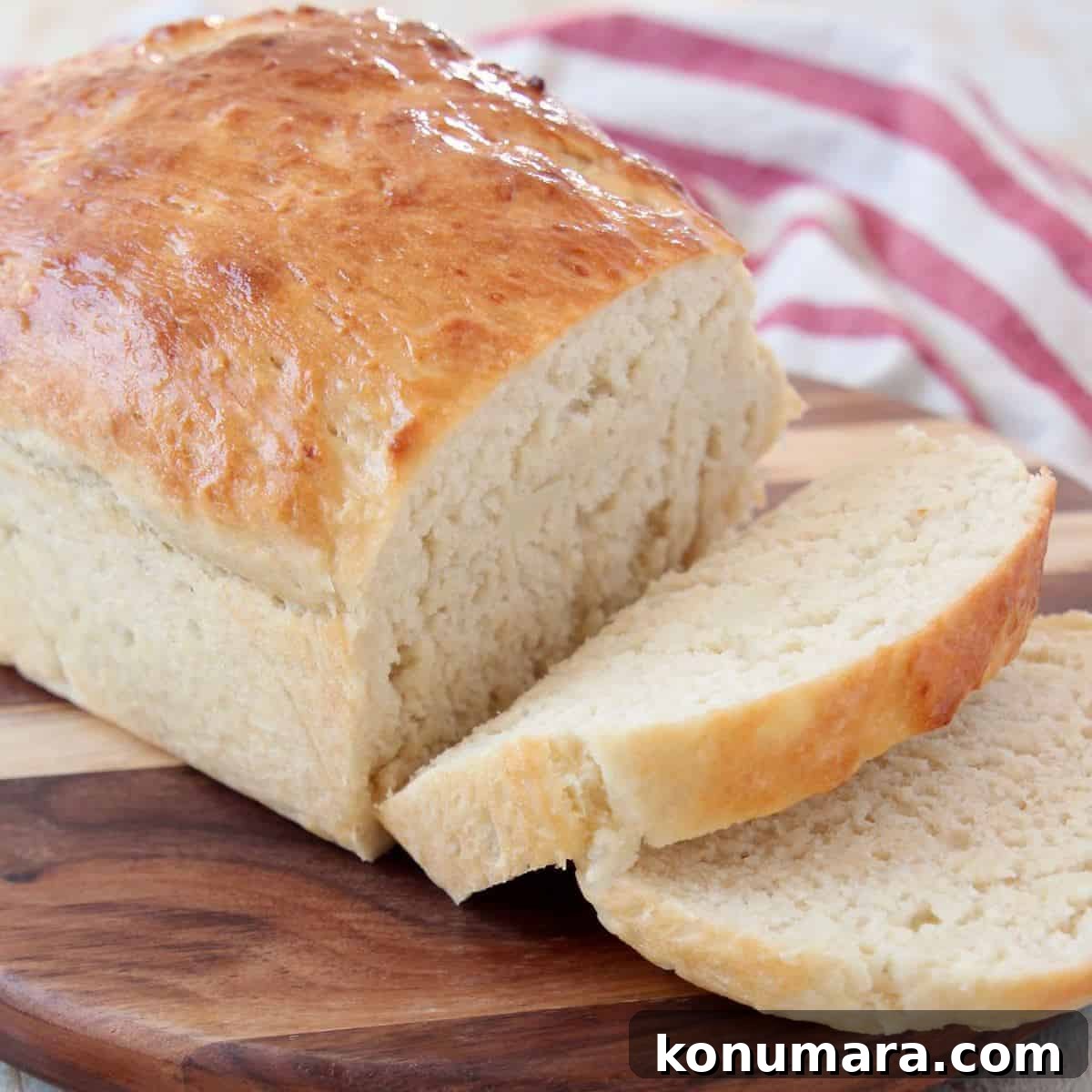
There’s nothing quite like the aroma and flavor of freshly baked bread. This homemade Potato Bread is hearty yet tender, making excellent toast, sandwiches, or a comforting side for soups and stews.
Creamy mashed potatoes are folded into the dough, producing a loaf that’s substantial but still light and fluffy inside. Serve slices with roasted tomato or sweet potato soup for a comforting meal.
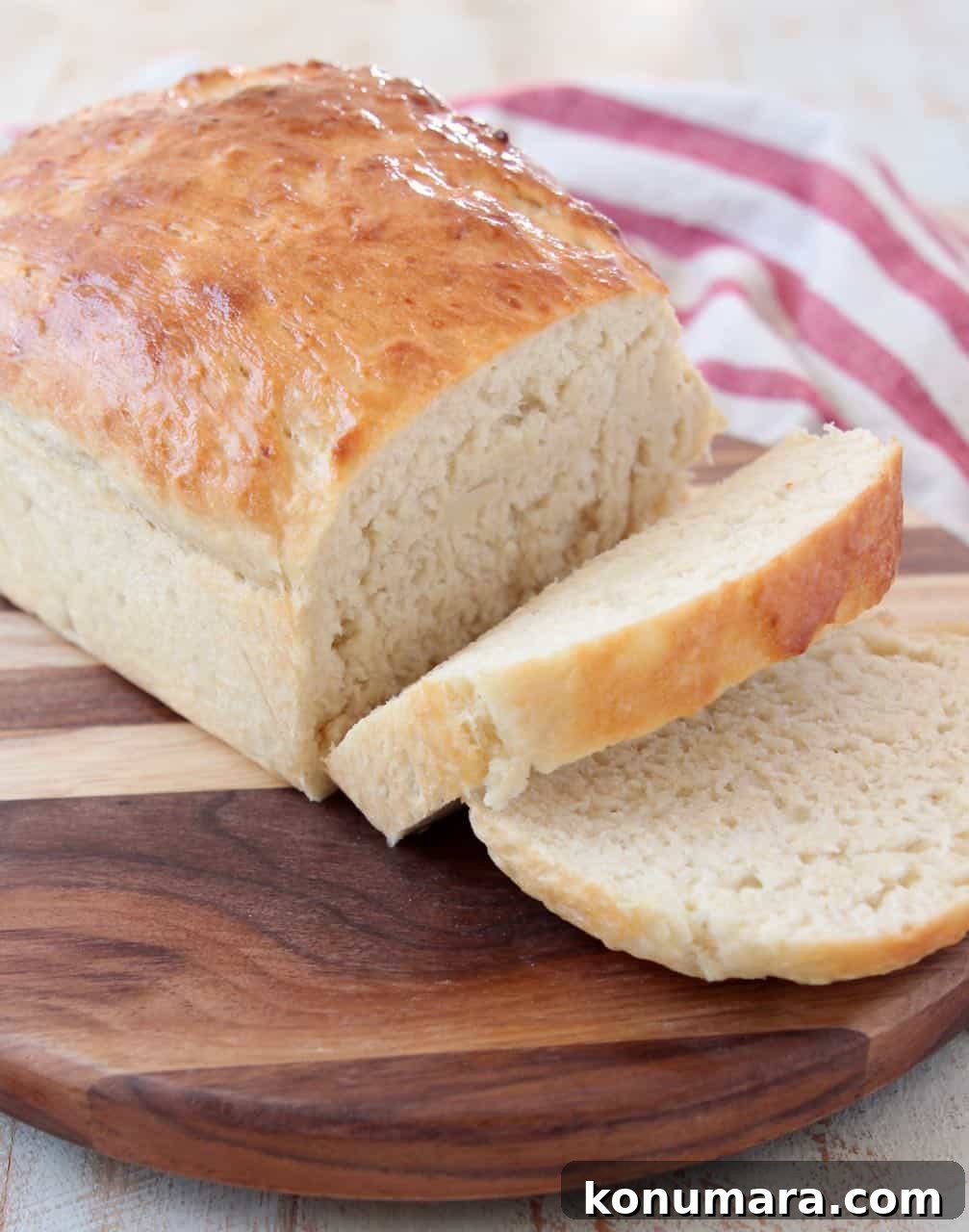
In our kitchen, bread baking is a beloved ritual. With a few simple ingredients and a bit of time, you get loaves that fill your home with a warm, irresistible smell. This Potato Bread recipe produces three loaves—perfect for sharing, gifting at the holidays, or enjoying throughout the week.
Because this recipe yields multiple loaves, you can use the extras for appetizers or party dishes. Homemade potato bread also freezes well: slice and wrap it for quick toast or sandwiches any time.
Table of Contents
- How to Make Potato Bread
- Ingredients
- Instructions
- Using Leftover Mashed Potatoes
- Is It Gluten Free?
- How to Serve It
- Notes & Tips
- Nutrition
How to Make Potato Bread
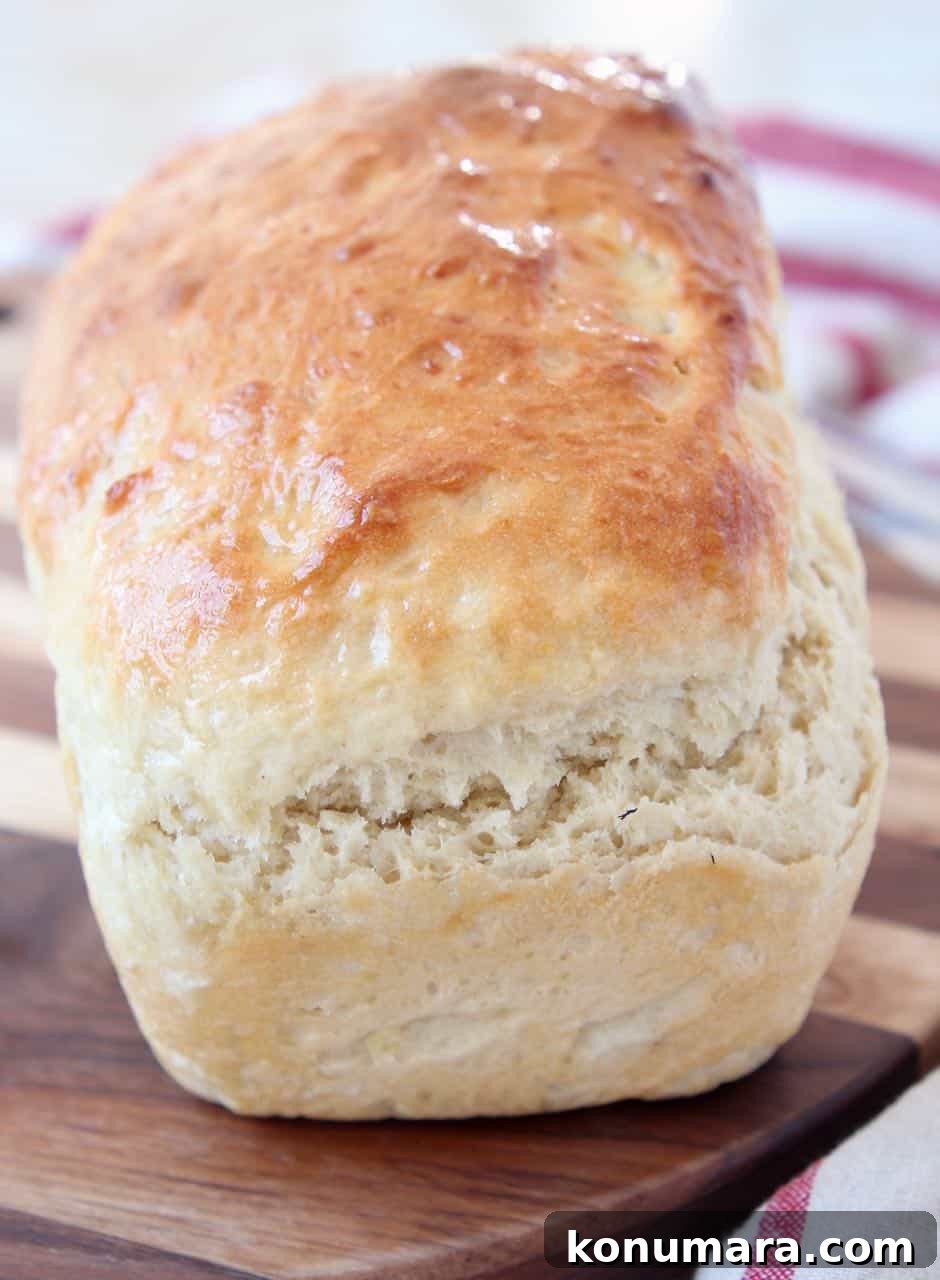
The method combines boiled potatoes and their cooking liquid with yeast and flour to create a smooth, kneadable dough. After a first rise, the dough is shaped into loaves, allowed to rise again, and then baked until golden. The mashed potatoes add moisture and tenderness, giving the bread a soft crumb and subtle potato flavor.
Ingredients
- 1 ½ cups milk
- 3 cups water, divided
- 1 lb russet potatoes, peeled and cubed
- ½ oz active dry yeast (about 1 packet)
- 6 cups bread flour (or all-purpose flour)
- 3 tbsp granulated sugar
- 1 tbsp salt
- 2 tbsp shortening (or softened butter)
Instructions
- Prepare the potatoes: In a large saucepan, combine the milk and 1½ cups of water and bring to a boil. Add the peeled, cubed potatoes and simmer uncovered for 13–15 minutes, or until tender.
- Keep the cooking liquid: Remove the pan from heat but do not drain. When the potatoes have cooled to a comfortably warm temperature, measure out ½ cup of the liquid and set it aside for the yeast. Reserve an additional ¼ cup of the liquid to mash back into the potatoes; discard any remaining liquid.
- Mash the potatoes: Return the ¼ cup of cooking liquid to the potatoes and mash until smooth. Set the mashed potatoes aside to cool slightly.
- Activate the yeast: Add the yeast to a large mixing bowl and pour the reserved ½ cup warm cooking liquid over it. Let sit for 5–10 minutes until the yeast becomes foamy.
- Make the dough: Add the mashed potatoes, flour, sugar, salt, shortening, and the remaining 1½ cups of water to the bowl. Use a stand mixer with a dough hook or an electric hand mixer to combine for 3–4 minutes on medium-high until the dough comes together.
- Knead and rise: Turn the dough onto a lightly floured surface and knead for about 10 minutes until smooth and elastic. Place the dough in a large greased bowl, turning once to coat the surface. Cover with a kitchen towel or plastic wrap and place in a warm spot to rise for 1 hour, until nearly doubled.
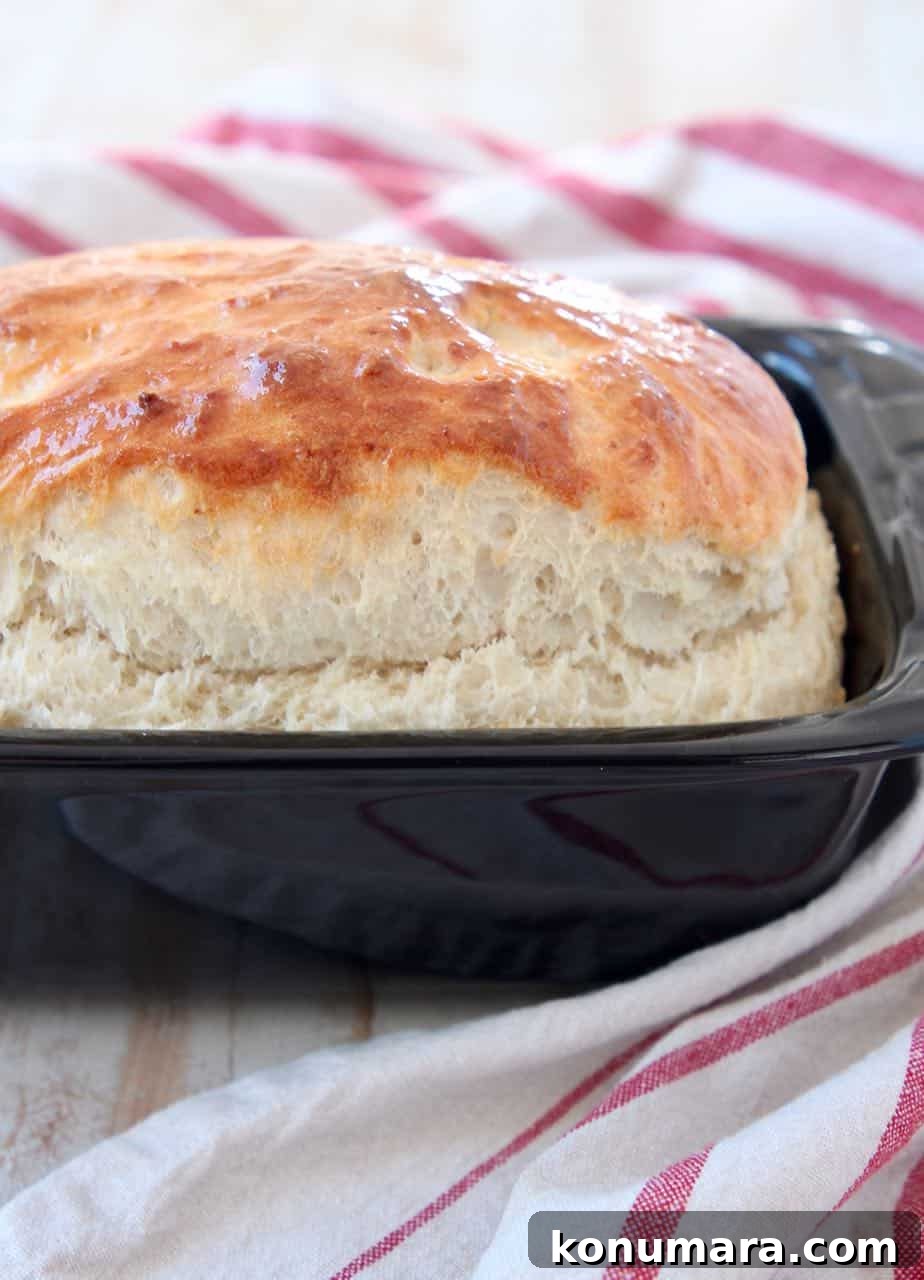
- Shape the loaves: Punch the dough down and divide it into three equal portions. Shape each portion into a loaf and place in a greased 5″ x 8″ loaf pan or shape freeform and place on a baking stone. Cover again and let rise for 30 minutes.
- Bake: Preheat the oven to 375°F (190°C). Bake the loaves for about 20 minutes, or until golden brown and cooked through. Remove from the pans and cool on a wire rack before slicing.
Can I Use Leftover Mashed Potatoes?
Yes. Substitute two cups of leftover mashed potatoes for the fresh mashed potatoes in this recipe. When using leftover mashed potatoes, use ½ cup warm water in place of the potato cooking liquid to activate the yeast.
Is It Gluten Free?
This recipe is not gluten free; it uses wheat flour. I have not tested it with gluten-free flour blends, so I cannot guarantee results if you substitute gluten-free flour.
How to Serve It
Potato bread is versatile and delicious warm or toasted. Try it with butter and jam for breakfast, use it for sandwiches, or serve thick slices alongside soups and stews. It can be used anywhere you’d use white bread but offers extra tenderness from the potatoes.
- French toast: The dense, tender slices soak up egg custard beautifully.
- Grilled cheese: A richer, more satisfying base for melty cheese and add-ins.
- Stuffed baked loaf: Hollow a loaf and fill with cheese, bacon, and chives for a party-ready appetizer.
- Sandwiches: Works especially well with hearty fillings like roasted turkey, ham, or strong cheeses.
Notes & Tips
- Flour: Bread flour yields a chewier crumb and slightly higher rise, but all-purpose flour works fine if that’s what you have.
- Shortening or butter: Shortening gives a soft, tender texture; butter adds flavor. Both are acceptable.
- Freezing: Cool loaves completely, slice if desired, wrap tightly, and freeze for up to three months. Toast slices directly from frozen.
- Warm rising spot: For reliable rising, place the covered bowl in an oven with just the oven light on or on top of a slightly warm appliance.
Nutrition (approximate per batch)
Calories and nutrient totals will vary with ingredient brands and portion sizes. The following are estimated totals for the entire recipe: calories 1234 kcal, carbohydrates 228 g, protein 39 g, fat 17 g, fiber 9 g, sodium 2406 mg. Adjust portions and ingredients to suit dietary needs.
Enjoy baking—there’s nothing like pulling a warm loaf of potato bread from the oven and sharing it with family or friends.