
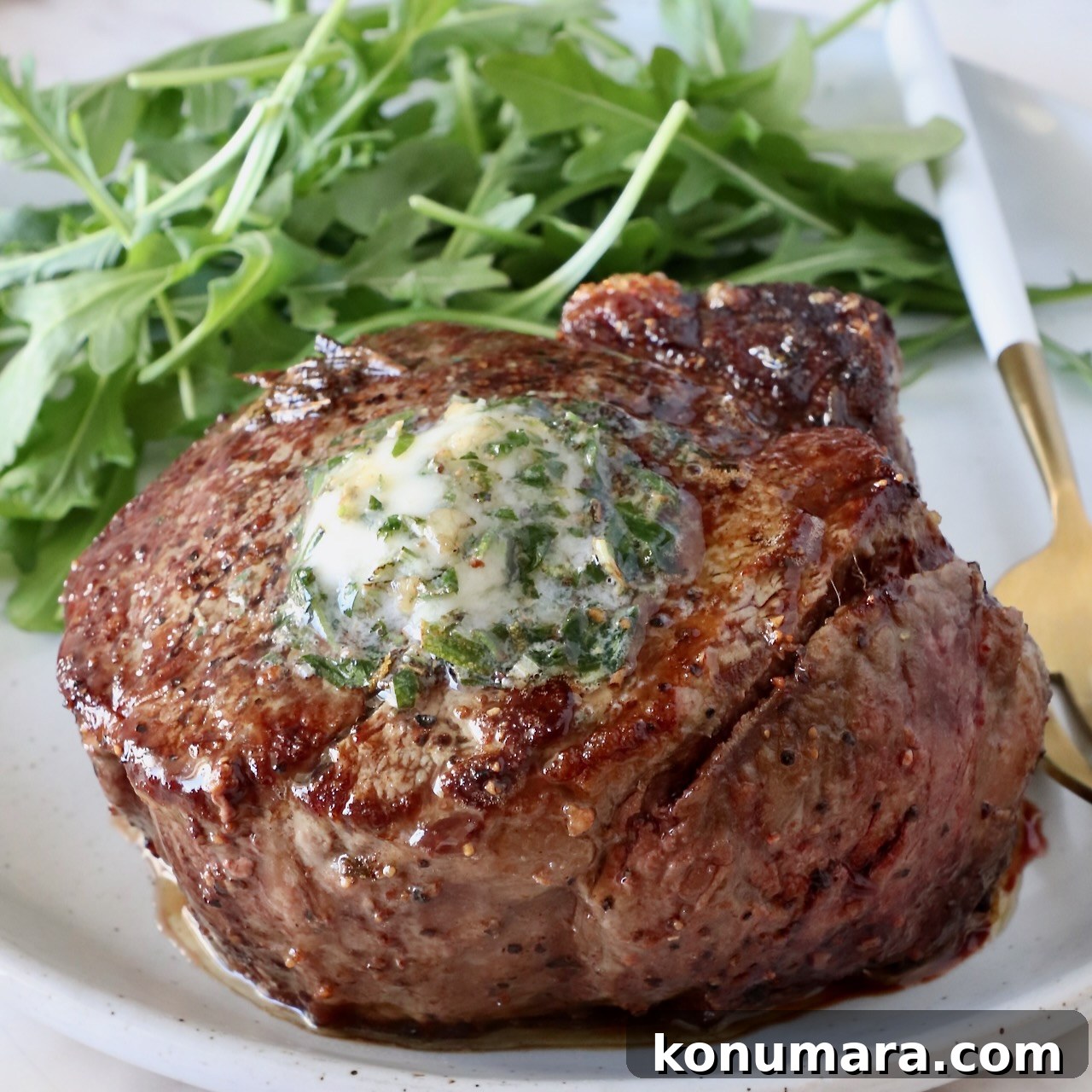
Learn how to cook filet mignon perfectly every time with this foolproof recipe. Whether you use a skillet and oven or an outdoor grill, this step-by-step guide walks you through both methods so you can achieve restaurant-quality results at home—even on your first try.
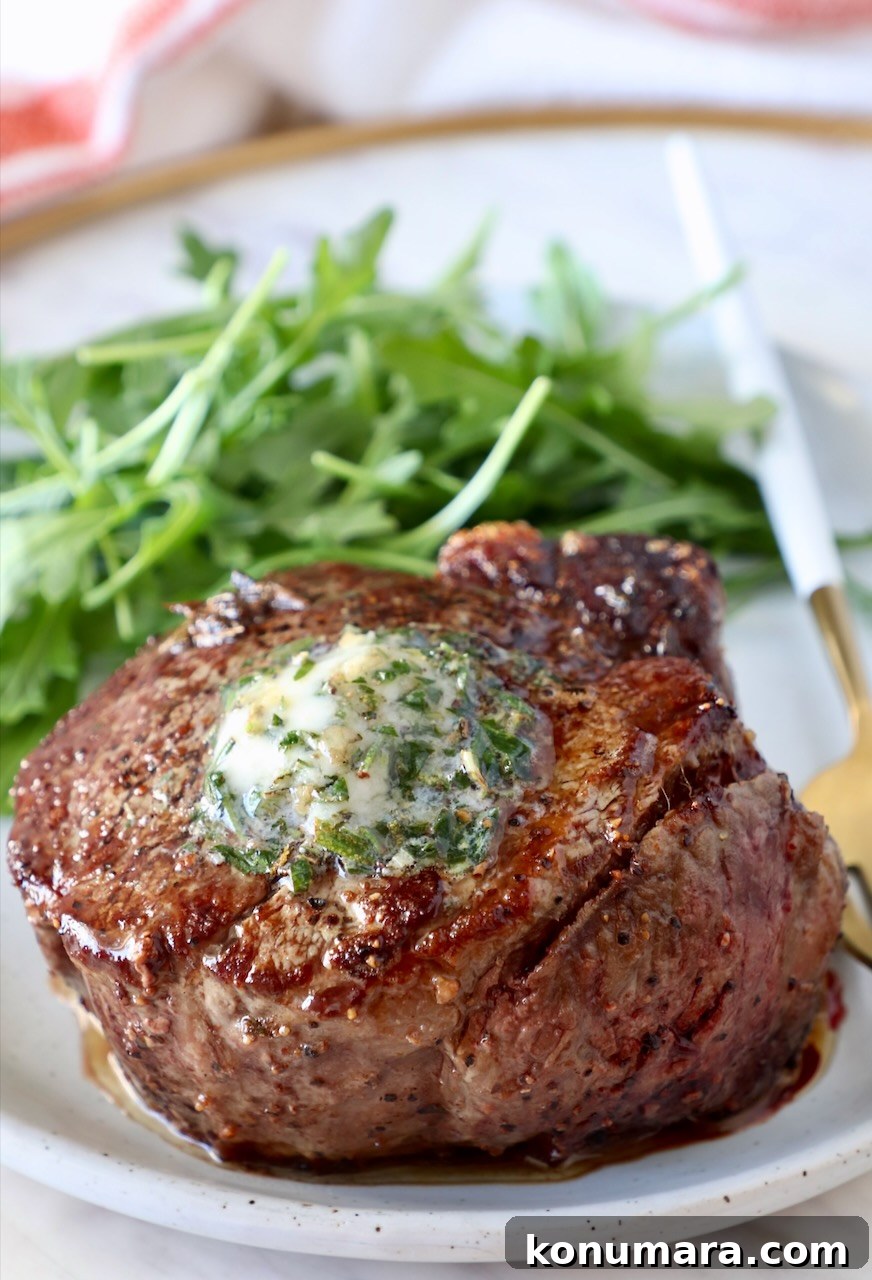
Table of contents
- Why this recipe is the best
- Ingredients
- Instructions
- How to cook filet mignon in a skillet
- How to cook filet mignon on a grill
- Filet mignon time and temperature chart
- What to serve with it
- More beef recipes
Why this recipe is the best
Filet mignon is a premium cut—tender, lean, and worth the splurge. This recipe combines a high-temperature sear, a few simple seasonings, and a buttery finish to bring out the filet’s best qualities while adding a boost of beefy flavor.
Key reasons this method works:
- High-heat sear for flavor: Searing at high temperature creates a flavorful brown crust through the Maillard reaction, improving both texture and taste.
- Simple seasoning with an optional beefy boost: Salt and pepper are essential. For a deeper, beefier profile, a light sprinkle of granulated beef bouillon can enhance flavor without overwhelming the delicate filet.
- Butter and aromatics to finish: A final spooning of melted butter with garlic and rosemary or a pat of compound butter after resting adds richness and aroma that complements the steak.
Ingredients
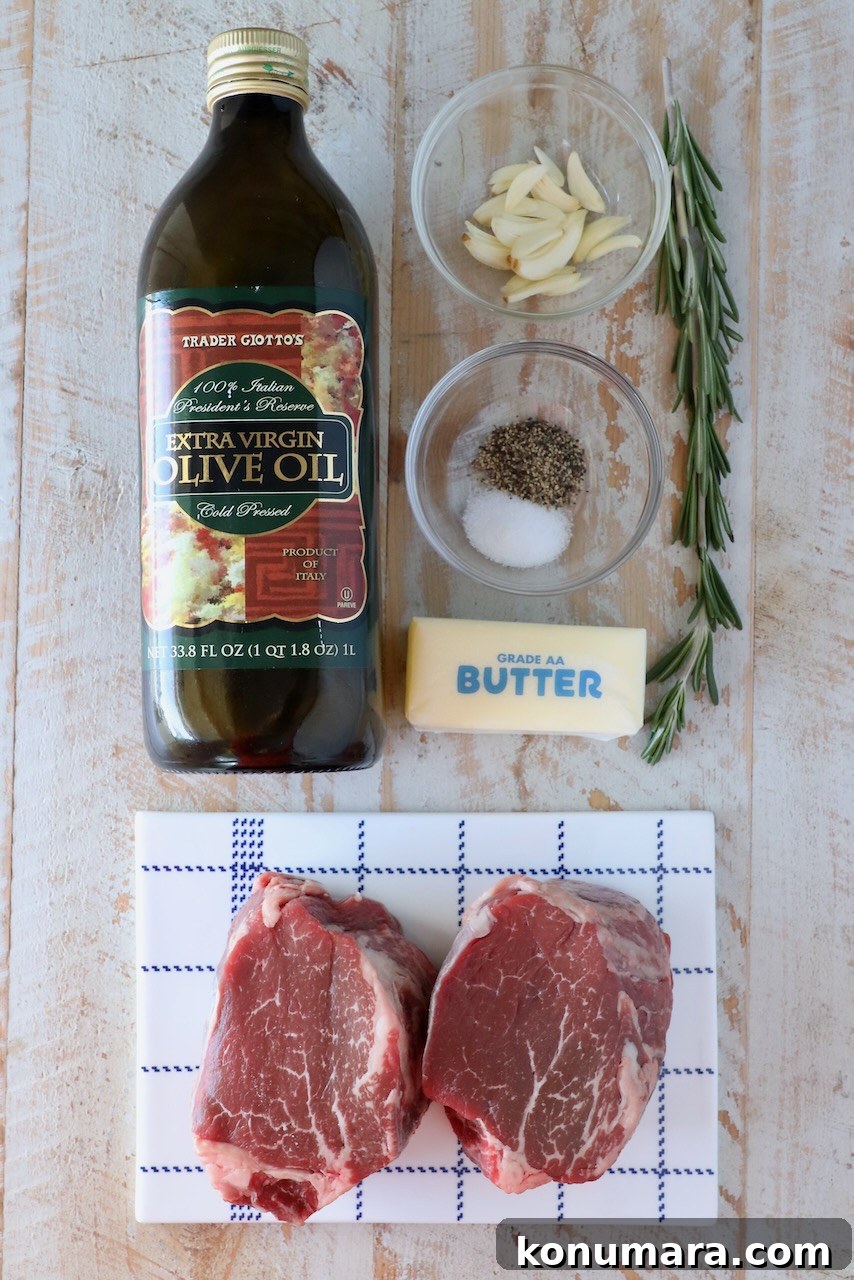
Below are the ingredients that deliver the best results for skillet or grill cooking. Quantities for the tested recipe are included in the recipe card further down.
- Filet mignon steaks – Choose bright red steaks with minimal excess fat; 6–12 ounces each is ideal. Aim for about 2 inches thick for a juicy medium-rare result.
- Olive oil – Lightly coat the steaks before grilling, or add to the skillet before searing to prevent sticking and help seasonings adhere.
- Kosher salt and black pepper – Keep seasoning simple to let the meat shine.
- Granulated beef bouillon (optional) – A small sprinkle adds a richer, beefier note that mimics the flavor of fattier cuts.
- Butter, garlic and rosemary (optional) – Melted butter spooned over the steaks or a pat of compound butter on top after resting elevates the flavor and mouthfeel.
Instructions
This step-by-step guide explains both cast-iron skillet and grill methods. For best results, follow each stage and use an instant-read thermometer to check internal temperature.
How to cook filet mignon in a skillet
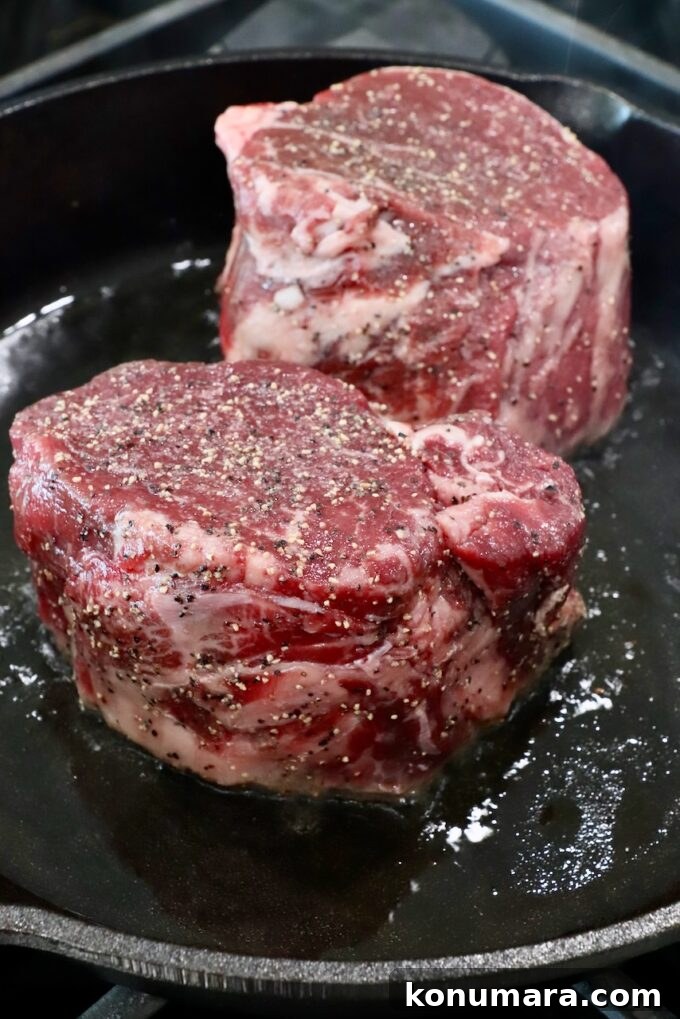
- Bring to room temperature and season: Remove steaks from the refrigerator 30–60 minutes before cooking so they cook evenly. Pat dry, then season all sides with salt and pepper; add a light sprinkle of granulated beef bouillon if desired.
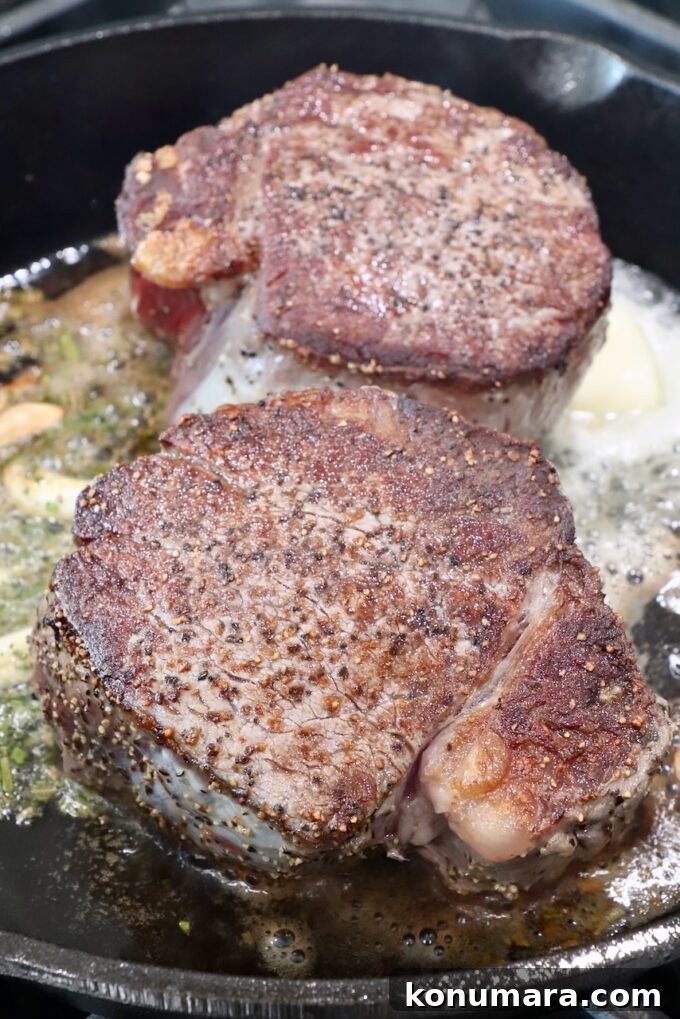
- Preheat skillet and sear: Heat a cast iron or heavy oven-safe skillet over high heat and add olive oil. When the skillet is very hot, add the steaks without crowding. Sear 2 minutes per side without moving them to develop a good crust.
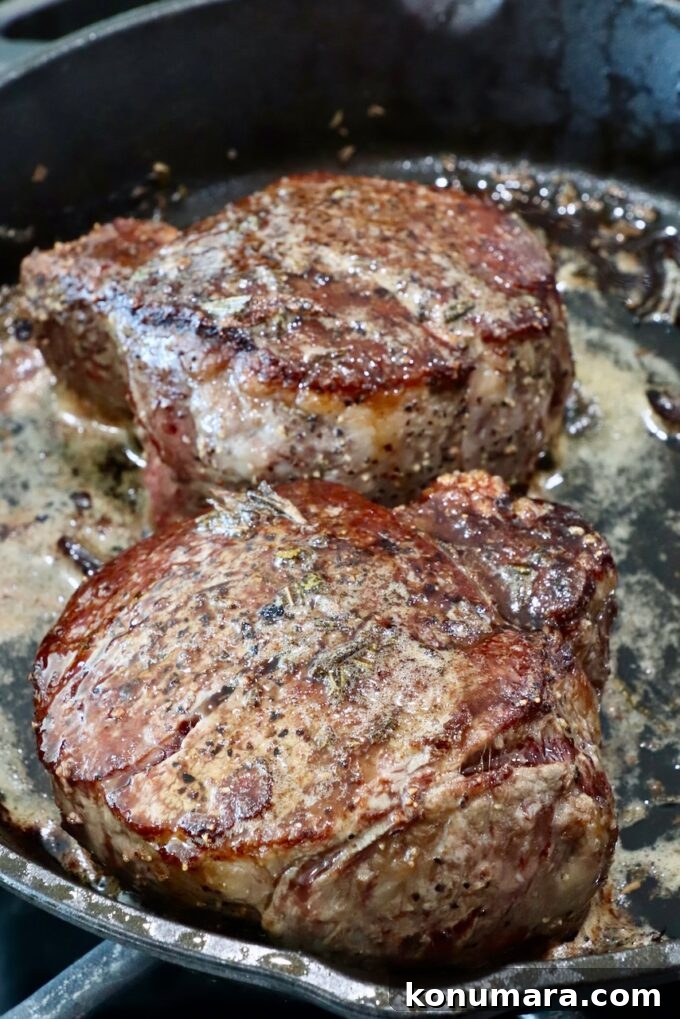
- Add butter and aromatics: Turn off the stove, add butter, sliced garlic and rosemary to the pan. Spoon melted butter over the steaks briefly.
- Finish in the oven: Transfer the skillet to a preheated 400°F oven and roast 10–15 minutes, depending on thickness. Check an instant-read thermometer at 10 minutes and every minute afterward until the internal temperature reaches your target (130°F for medium-rare).
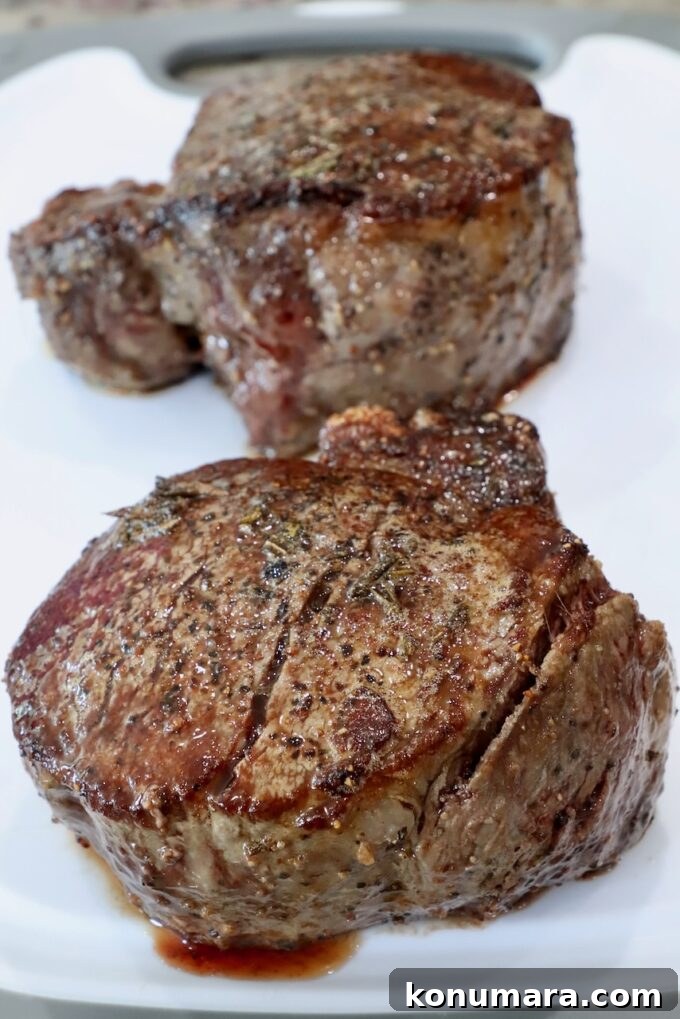
- Rest: Remove steaks from the skillet and transfer to a cutting board. Spoon any melted butter from the pan over the steaks, then rest 5–10 minutes to let juices redistribute before serving.
If you prefer to skip the butter-and-aromatics step, sear and then finish in the oven; top each steak with ½ tablespoon of salted butter or compound butter while it rests.
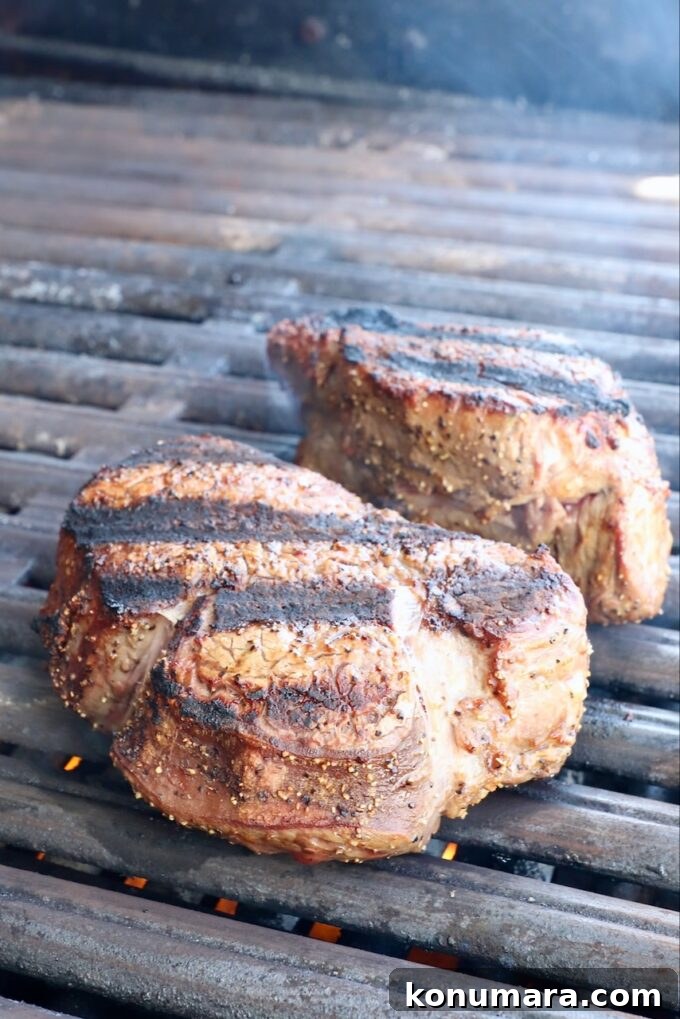
How to cook filet mignon on a grill
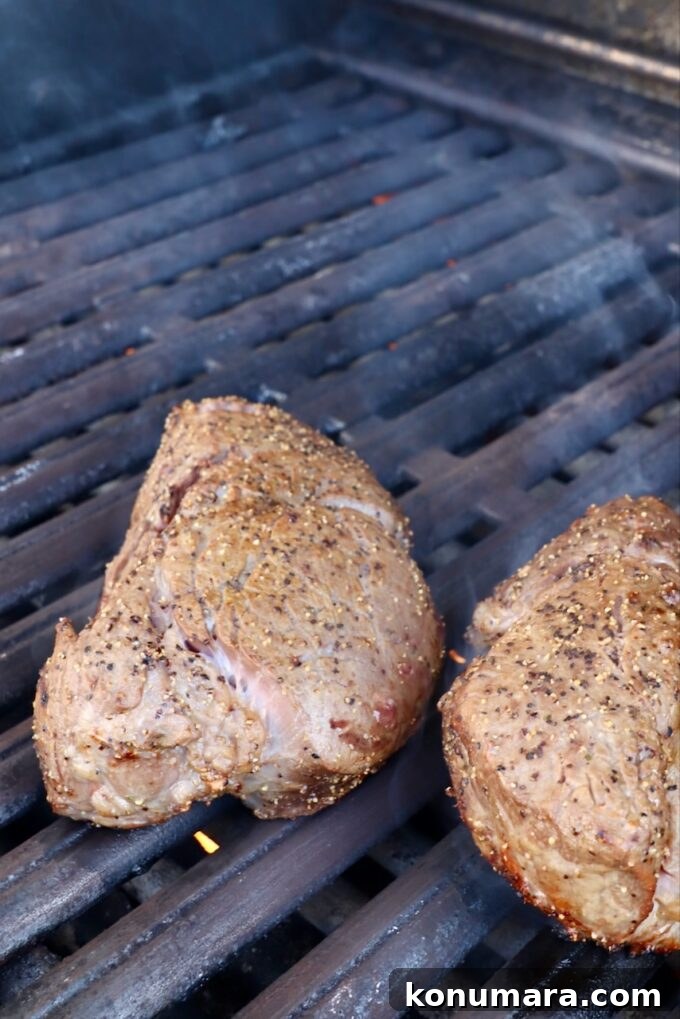
- Prepare and season: Take steaks from the fridge 30–60 minutes ahead. Pat dry, rub with olive oil, and season with salt and pepper; add granulated beef bouillon if you want a richer flavor.
- Preheat and grill: Preheat the grill to medium-high (about 400–450°F). Grill the steaks 4–6 minutes per side until an instant-read thermometer reaches the desired internal temperature (130°F for medium-rare after resting).
- Rest and finish: Transfer steaks to a cutting board and top with ½ tablespoon salted butter or compound butter. Let rest 5–10 minutes before serving so juices settle.
Finish with chopped fresh herbs or a light sprinkle of flaky sea salt if desired.
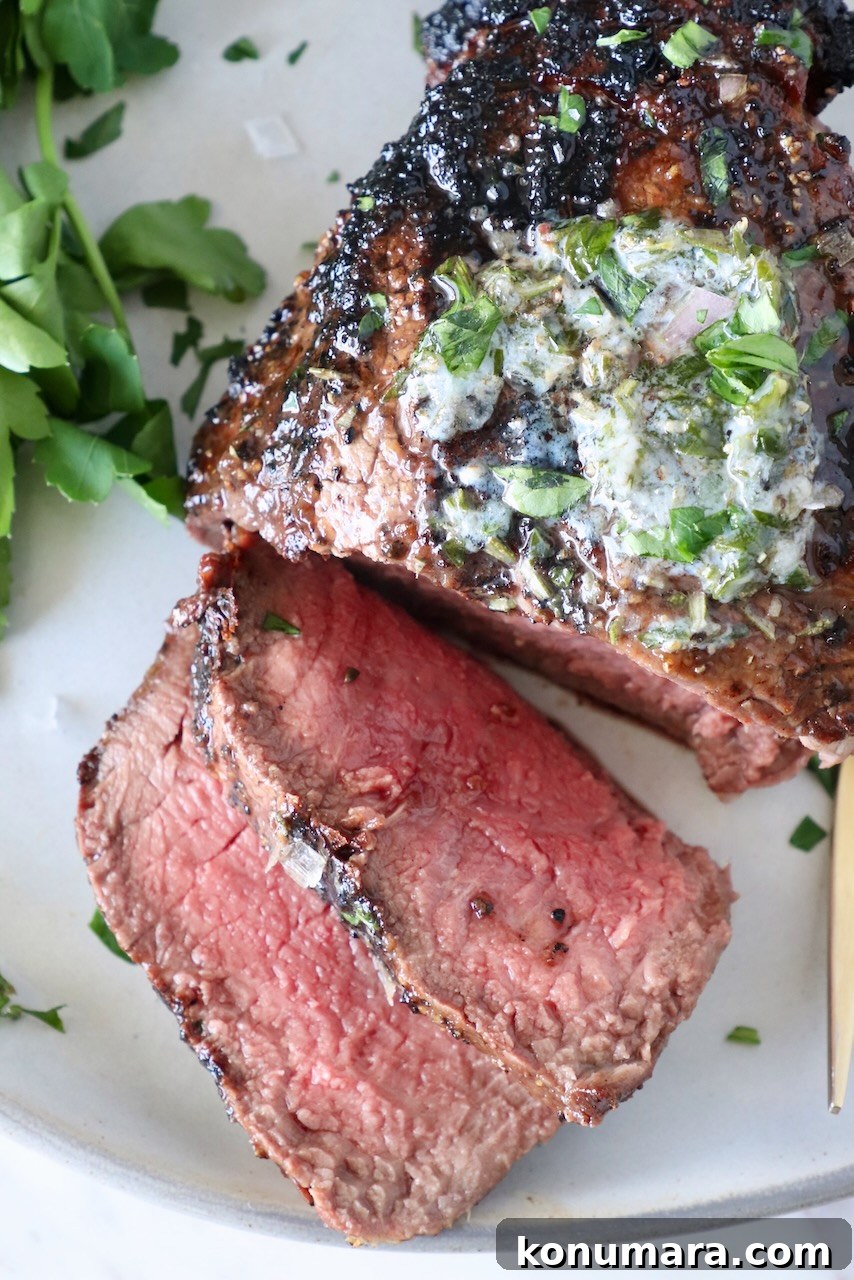
Filet mignon time and temperature chart
These times apply to a 2-inch thick filet (8–10 ounces). Thinner steaks require shorter oven time (subtract 2–4 minutes) and slightly less grill time (1–2 minutes per side).
Tip: Always use an instant-read thermometer to verify doneness—it’s the most reliable way to get consistent results. Remember the steak’s internal temperature will rise about 5°F as it rests.
- Rare: Oven 10 minutes after sear; Grill 4 minutes per side; remove at 120–125°F.
- Medium Rare (recommended): Oven 12 minutes after sear; Grill 5 minutes per side; remove at 130°F.
- Medium: Oven 14 minutes after sear; Grill 6 minutes per side; remove at 135–140°F.
- Medium Well: Oven 16 minutes after sear; Grill 7 minutes per side; remove at 145–150°F.
- Well Done: Not recommended for filet mignon because it dries out quickly.
What to serve with it
A perfectly cooked filet mignon pairs well with classic sides. Consider these options:
- Potatoes: mashed, roasted baby potatoes, au gratin, or baked potatoes.
- Vegetables: sautéed mushrooms, roasted carrots, Brussels sprouts with bacon, garlic lemon green beans, or asparagus.
- Rice or pasta: garlic parmesan orzo, mushroom risotto, or a creamy mac and cheese.
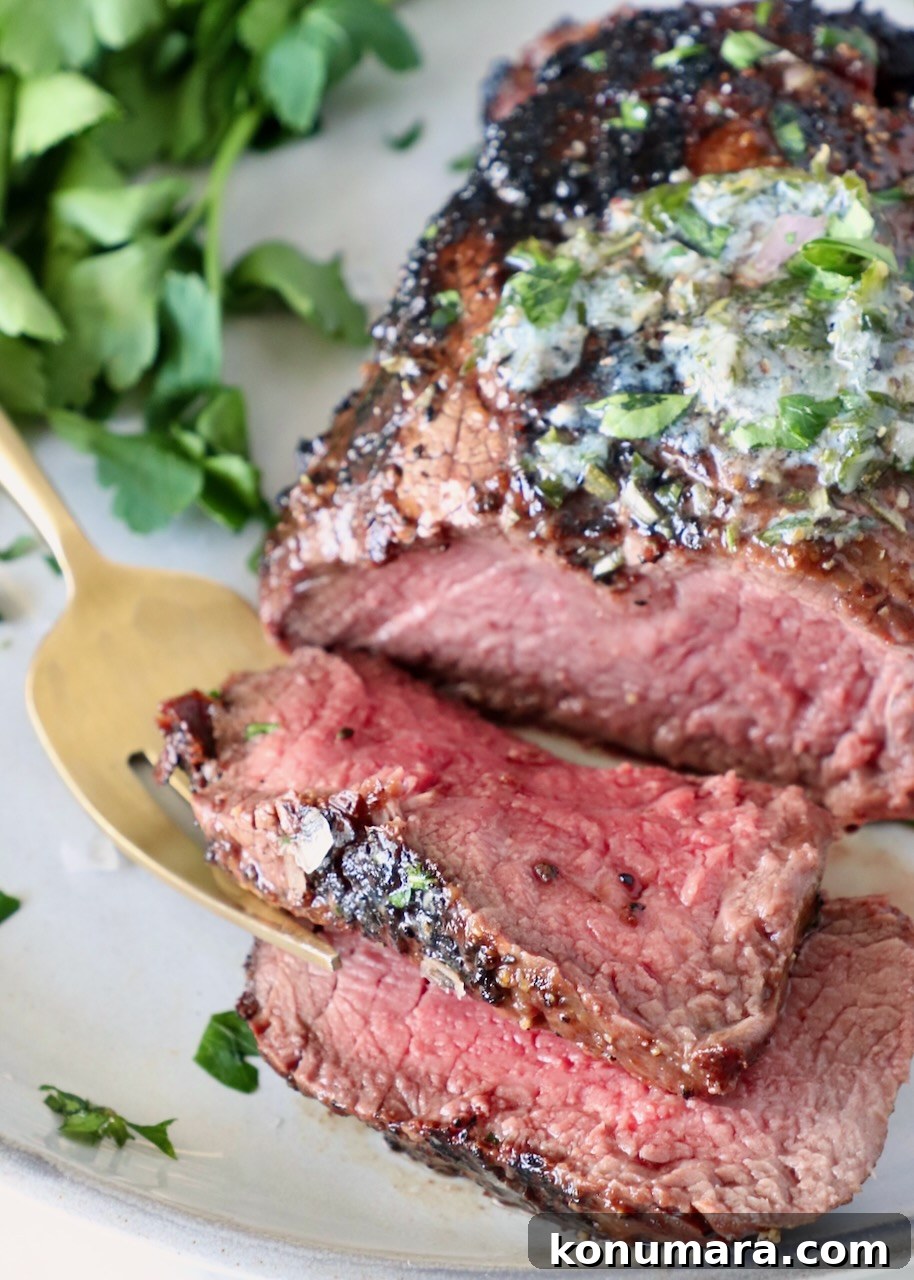
More beef recipes
Looking for additional beef ideas? Try classics like Corned Beef, Roasted Bone-In Prime Rib, Sirloin with a simple marinade, or Slow Cooker Beef Ragu for family-style meals.
Corned Beef
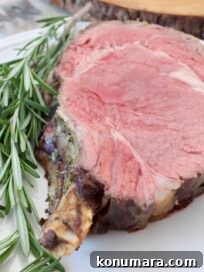
Roasted Bone-In Prime Rib
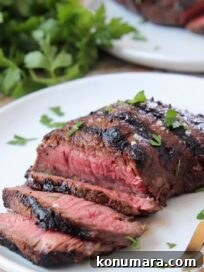
Sirloin Steak Marinade
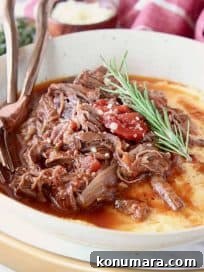
Slow Cooker Beef Ragu
If you want to prepare a whole beef tenderloin, consider recipes like Beef Wellington or Herb-Crusted Beef Tenderloin for special occasions.
Filet Mignon
A reliable method for perfectly cooked filet mignon using either a cast-iron skillet and oven or a hot grill. Simple seasonings, a high-heat sear, and a buttery finish produce a tender, flavorful steak.
Servings: 2 steaks
Prep Time: 10 minutes
Cook Time: 10 minutes (plus oven time)
Resting Time: 5 minutes
Total Time: ~25 minutes
Author: Whitney Bond
Ingredients
- 2 filet mignon steaks (about 2 inches thick, 8–10 ounces each)
- ½ teaspoon salt
- ½ teaspoon black pepper
- 1 teaspoon granulated beef bouillon (optional)
- 1 tablespoon olive oil
- 2 tablespoons butter
- 3–5 cloves garlic, thinly sliced (optional)
- 1 tablespoon fresh rosemary, chopped (optional)
Instructions
Cast Iron Skillet Instructions
- Preheat oven to 400°F.
- Remove filets from the fridge 30–60 minutes before cooking to bring to room temperature.
- Pat dry and season with salt, pepper, and optionally granulated beef bouillon.
- Heat a cast iron or heavy oven-safe skillet over high heat and add olive oil.
- When the skillet is very hot, sear steaks 2 minutes per side without moving them to form a brown crust.
- Turn off the stove, add butter, garlic and rosemary, then transfer the skillet to the oven.
- Cook 10–15 minutes (depending on thickness). Use an instant-read thermometer and remove at 130°F for medium-rare.
- Remove from oven, spoon melted butter over steaks, transfer to a cutting board, and rest 5 minutes before serving.
Grill Instructions
- Remove filets from the fridge 30–60 minutes before cooking.
- Pat dry, coat with olive oil, and season with salt, pepper and optionally granulated beef bouillon.
- Preheat grill to high heat (400–450°F).
- Grill 4–6 minutes per side until the internal temperature reaches your target (130°F for medium-rare after resting).
- Remove from grill, top each steak with ½ tablespoon butter, and rest 5 minutes before serving.
Notes
- Granulated beef bouillon adds a richer, beefier flavor if desired.
- If you don’t have a cast iron skillet, use the heaviest oven-safe pan available.
- Thinner steaks or smaller weights require less cooking time—refer to the time and temperature chart above.
- Always rest filets for at least 5 minutes to allow juices to redistribute; the internal temperature will rise about 5°F while resting.
Nutrition Facts (approximate per serving)
Calories: 498 kcal | Protein: 25 g | Fat: 43 g | Carbohydrates: 4 g | Sodium: varies with seasoning