
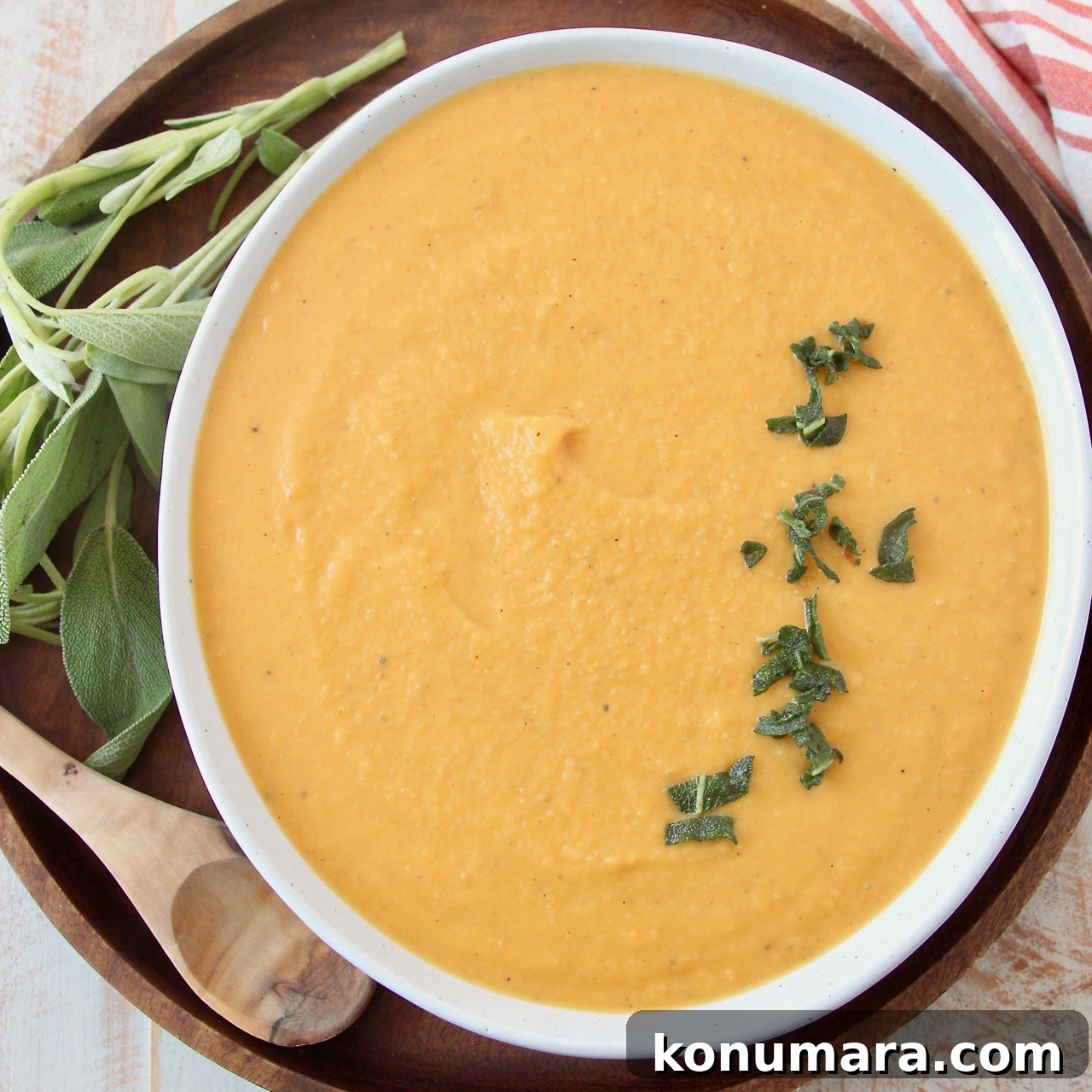
Creamy, cozy, and packed with autumn flavor, this Butternut Squash Pasta Sauce transforms simple noodles into a comforting, restaurant-quality meal. Made from roasted butternut squash, garlic, and fresh sage, the sauce blends to a velvety consistency that tastes indulgent while remaining light. It’s easy to prepare and comes together in about 30 minutes, making it a perfect weeknight dinner or a special seasonal dish.
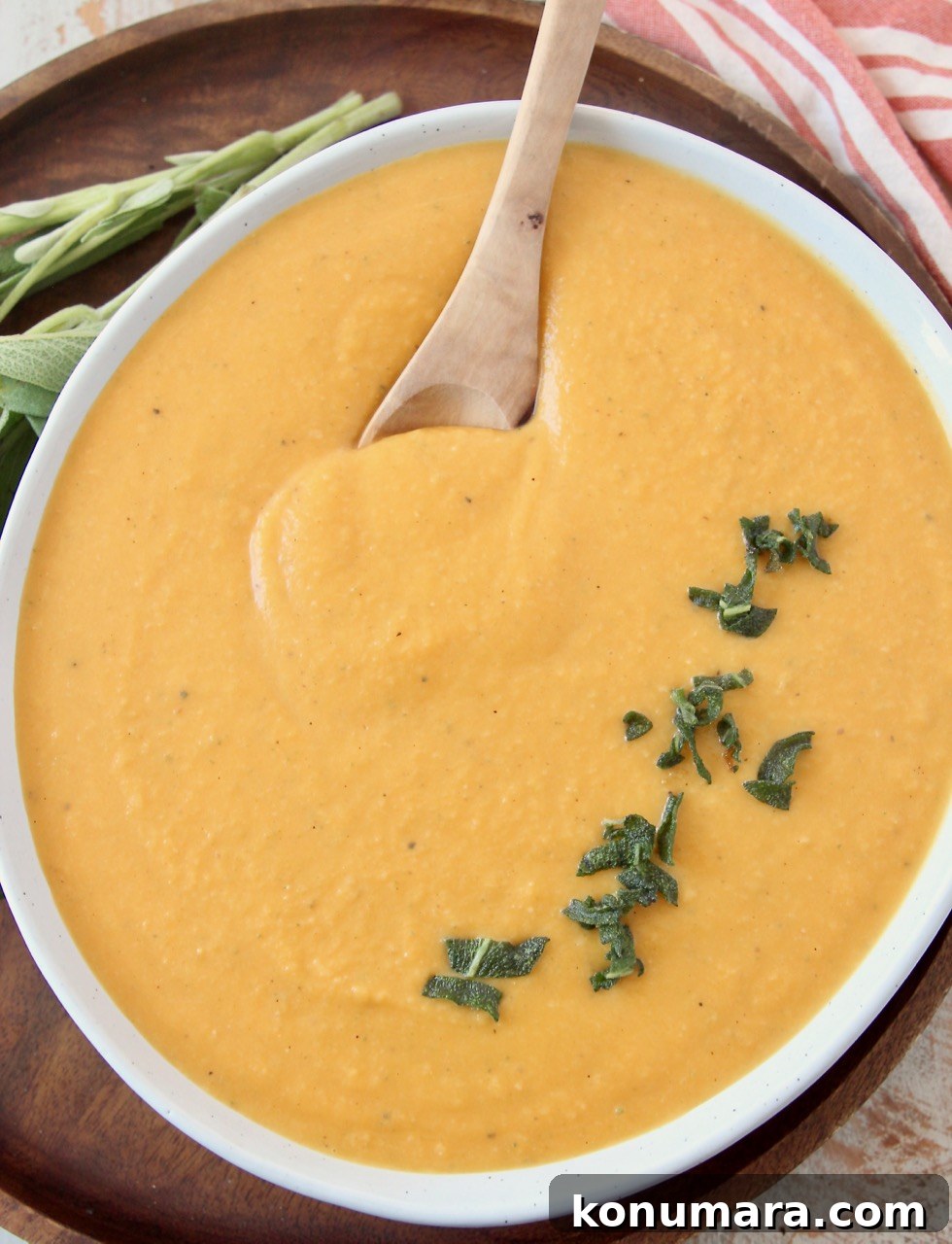

Bring the flavor to your new favorite fall pasta sauce!
Hello, creamy goodness! There’s nothing better on a crisp autumn evening than a steaming bowl of pasta tossed in butternut squash sauce. This recipe delivers comforting, savory-sweet flavor with a silky texture that feels luxurious.
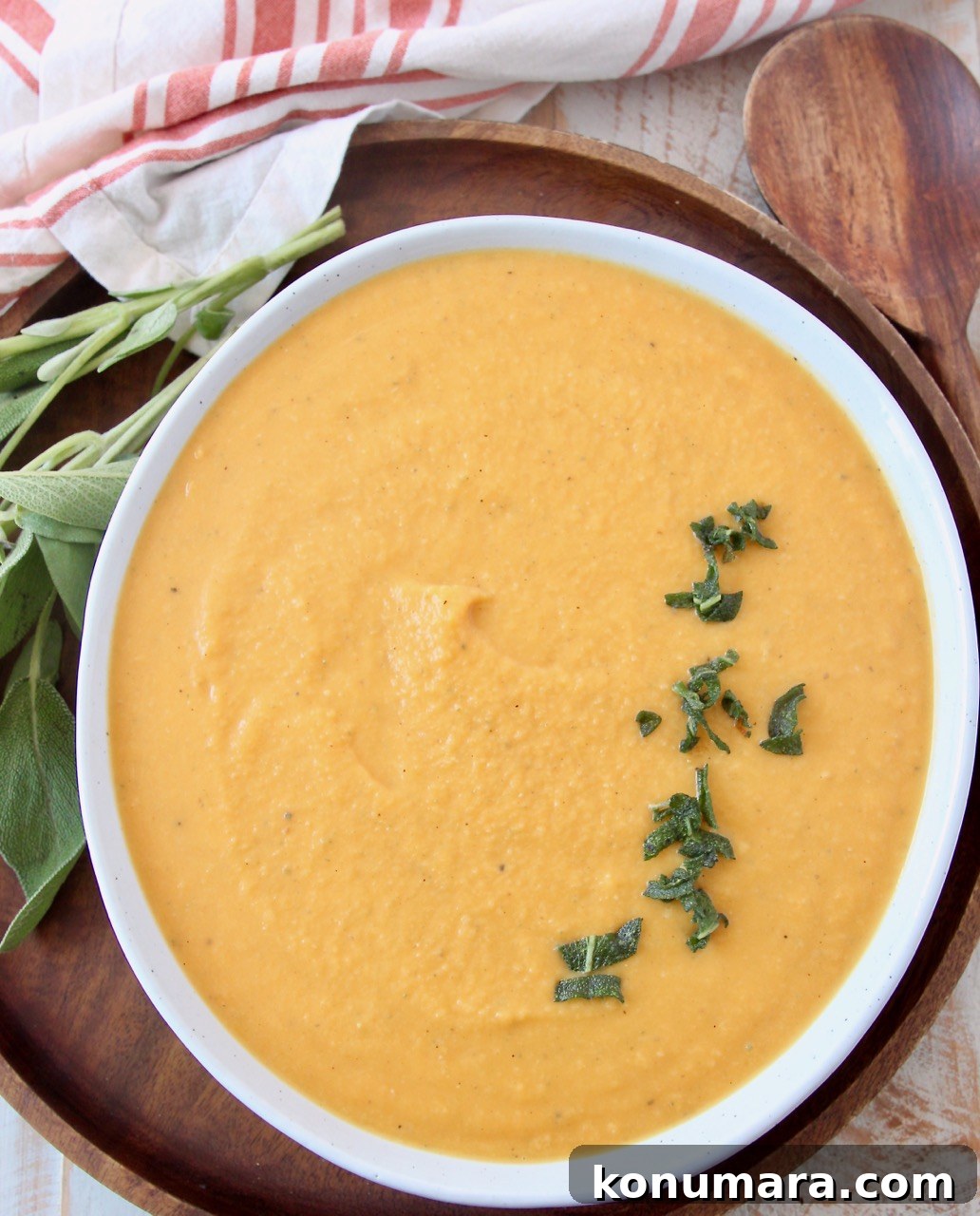
The beauty of this sauce is how simple and wholesome it is. It’s naturally creamy without any heavy cream: the squash itself creates a smooth base, and a splash of almond milk rounds the texture. That makes the sauce vegan-friendly and lower in calories than traditional cream-based sauces.
For a gluten-free or lighter option, swap traditional pasta for roasted spaghetti squash or zucchini noodles. Use extra squash if you want a thicker, heartier sauce—simply double the squash and blend to taste.
This sauce is remarkably quick: after a brief sauté and a short simmer to tenderize the squash, everything goes into a blender and the sauce is ready to serve in about 30 minutes. Make a double batch to refrigerate or freeze for fast dinners later in the week.

Key ingredients
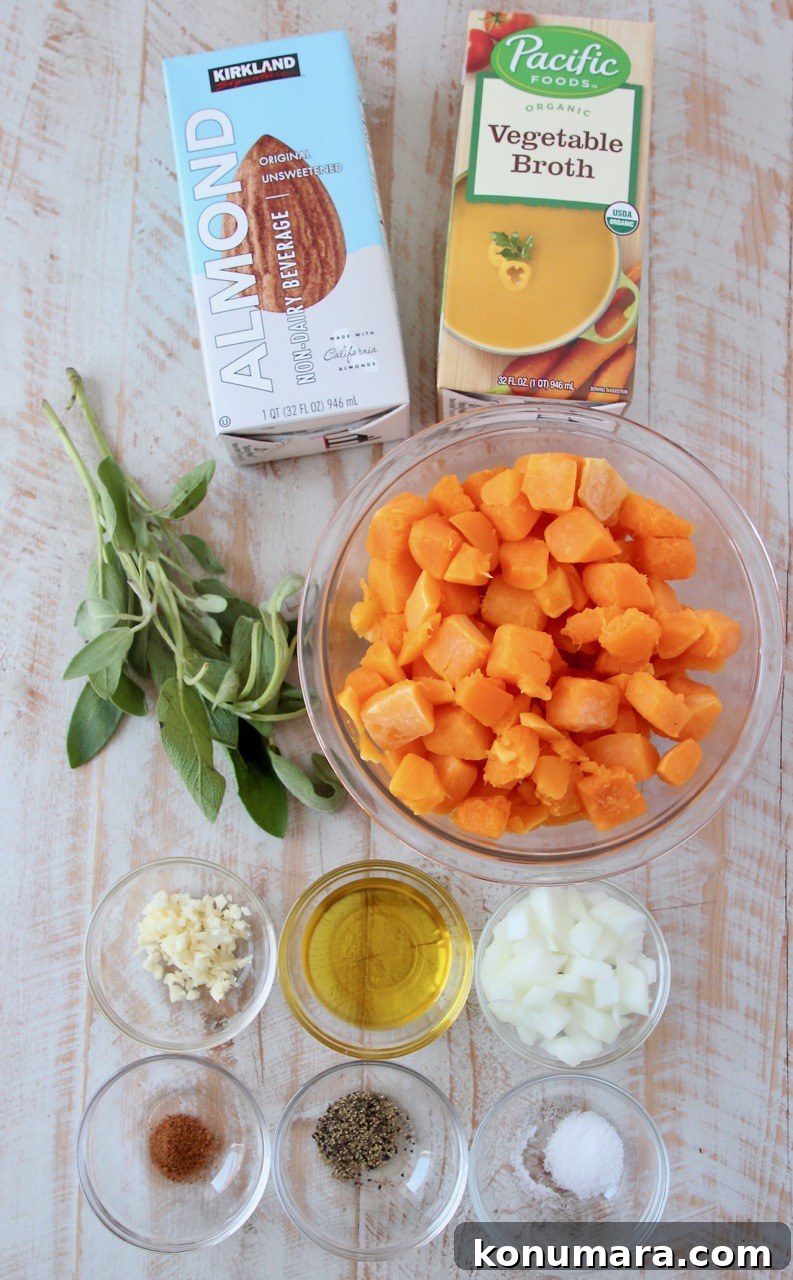
Below are the essential ingredients and a few notes to help you shop and prepare. The full ingredient list and measurements are included in the recipe card further down.
- Butternut squash – You can buy a whole butternut, peel and cube it yourself, or use pre-cut fresh cubes from the produce section. Frozen cubed squash also works well and is convenient year-round.
- Fresh sage leaves – Fresh sage adds an earthy, aromatic note that pairs beautifully with squash. If fresh sage is unavailable, a small pinch of dried sage can be used, but fresh yields the best flavor.
- Almond milk – Almond milk keeps the sauce light and neutral in flavor. If you prefer a richer profile, use canned light coconut milk or another plant milk, but be mindful of sweetness when using coconut.
Instructions
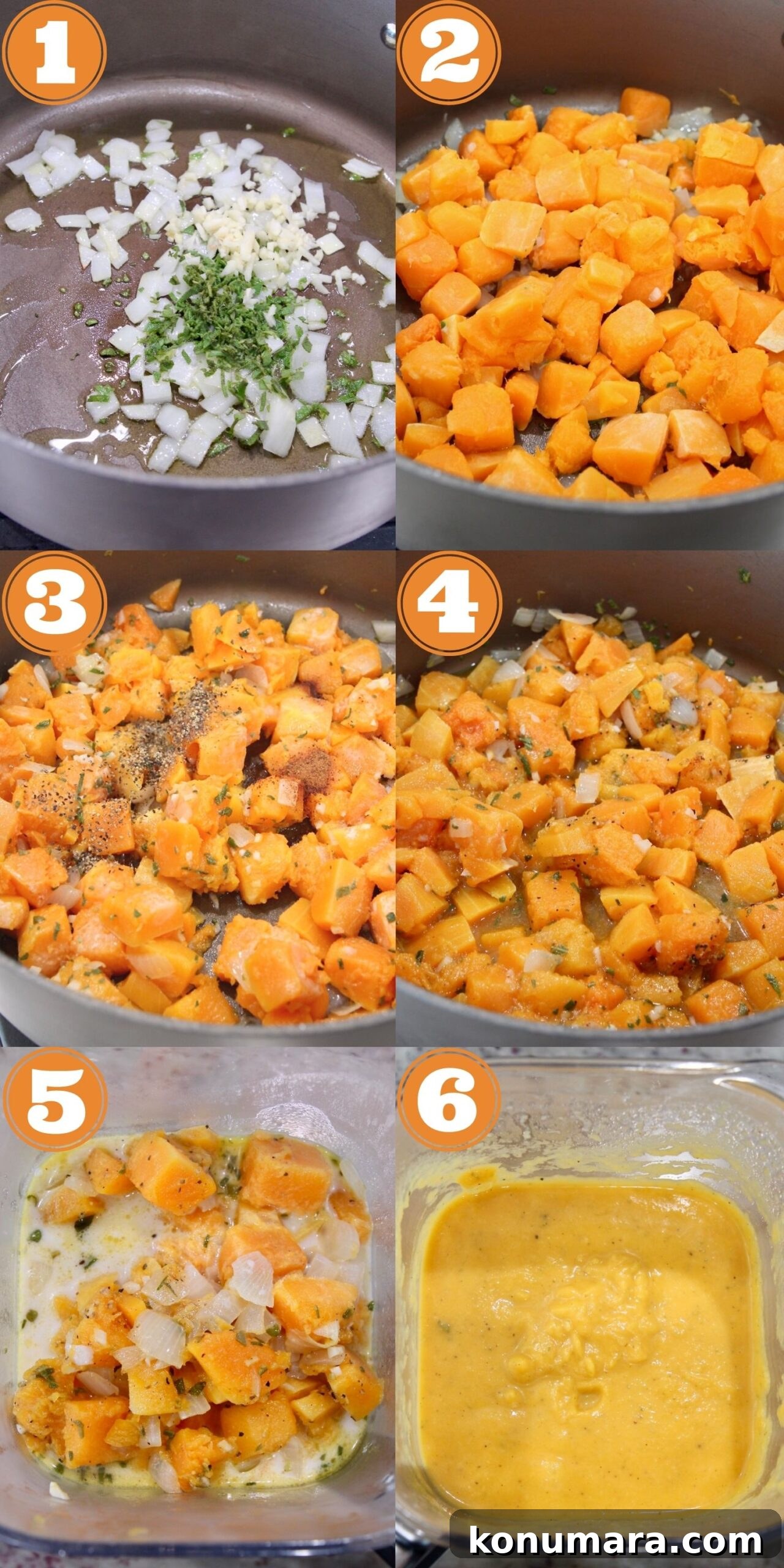
- Sauté the aromatics. Heat the olive oil in a deep skillet or Dutch oven over medium-high heat. Add the diced onion and cook 3–5 minutes until softened. Add the minced garlic and chopped sage; sauté for another minute until fragrant.
- Add the squash. Stir in the cubed butternut squash.
- Season and cook. Sprinkle with kosher salt, black pepper, and a touch of ground nutmeg. Cook for 4–6 minutes, stirring occasionally.
- Simmer with broth. Pour in the vegetable broth, cover, reduce heat to low, and simmer until the squash is fork-tender but not falling apart, about 8–10 minutes.
- Blend to a smooth sauce. Transfer the cooked squash and aromatics to a blender or food processor. Add the almond milk and blend on high until completely smooth and creamy. Adjust seasoning to taste.
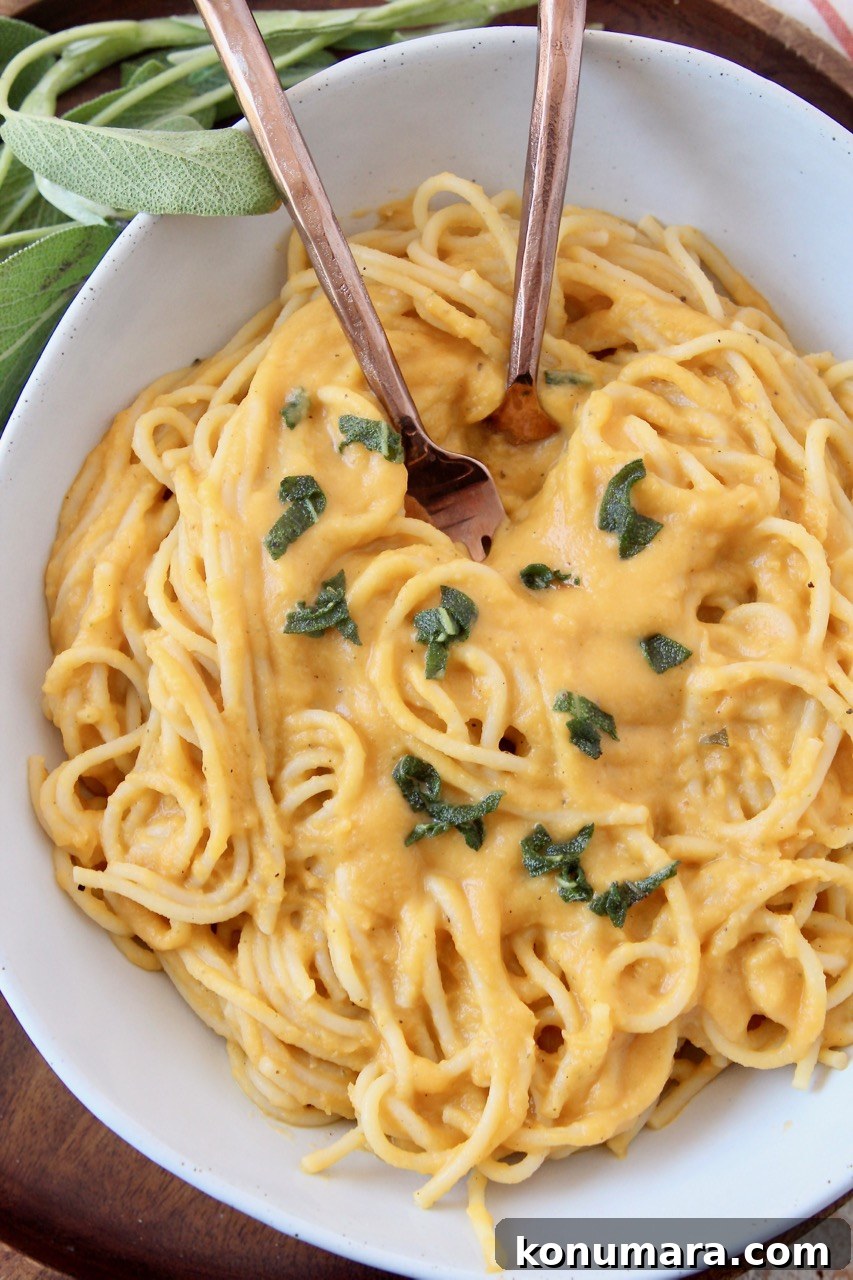
What to serve it with
This versatile sauce works beautifully in many dishes. Here are several serving ideas and pairings to maximize flavor and texture.
- Pasta: Long noodles like spaghetti, fettuccine, or pappardelle are classic pairings, but short shapes such as penne or cavatappi also hold the sauce well. Toss cooked pasta with the sauce, adding reserved pasta water a tablespoon at a time to reach your preferred consistency.
- Spaghetti squash: For a gluten-free, lower-carb option, spoon the sauce over roasted spaghetti squash strands.
- Zucchini noodles: Zoodles provide a fresh, light complement. Briefly sauté them in olive oil for 3–5 minutes before tossing with sauce to prevent excess water.
- Pizza or flatbreads: Use the sauce in place of tomato sauce for a fall-inspired pizza. Top with cheeses, sautéed mushrooms, or crumbled sage pork sausage for a hearty, seasonal pie.
More butternut squash recipes
If you love this sauce, try it alongside other seasonal favorites such as butternut squash bruschetta, risotto, savory strudel, or a roasted squash and greens salad. Each recipe highlights the sweet, nutty flavor of squash in different ways.
Butternut Squash Apple Bruschetta
Butternut Squash Risotto

Butternut Squash Sausage Strudel
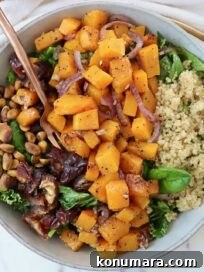
Roasted Butternut Squash Salad
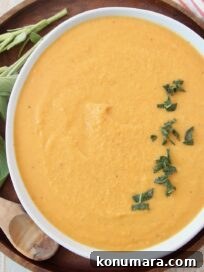
Butternut Squash Pasta Sauce
4 cups pasta sauce
10 minutes
20 minutes
30 minutes
Whitney Bond
Ingredients
- 2 tablespoons olive oil
- ½ cup yellow onion, diced
- 2 cloves garlic, minced
- 1 tablespoon fresh sage leaves, chopped
- 2 pounds butternut squash, peeled, seeded, and cubed
- 1 teaspoon kosher salt
- ½ teaspoon black pepper
- ¼ teaspoon ground nutmeg
- 1 cup vegetable broth
- ¾ cup almond milk
Instructions
- Add the olive oil to a deep skillet or Dutch oven over medium-high heat.
- Add the diced onion and sauté for 3–5 minutes until softened.
- Add the minced garlic and chopped sage and sauté for an additional minute.
- Add the butternut squash, salt, pepper, and nutmeg to the skillet and cook for 4–6 minutes.
- Pour the vegetable broth over the squash, cover, reduce heat to low, and cook until the squash is fork-tender but not falling apart, about 8–10 minutes.
- Once the squash is tender, transfer everything to a blender or food processor.
- Add the almond milk to the blender and blend until smooth and creamy. Taste and adjust seasoning as needed.
- Serve immediately tossed with cooked pasta, spaghetti squash, or zucchini noodles. If needed, thin the sauce with reserved pasta cooking water, 1–2 tablespoons at a time, until it reaches your desired consistency.
Notes & tips
- To serve with pasta: Boil pasta according to package directions. Reserve one cup of cooking water before draining. Return the pasta to the pot, add the sauce, and toss to coat. Add a splash of the reserved pasta water if the sauce needs thinning.
- Add protein: If you’d like meat, cooked and crumbled sage pork sausage pairs exceptionally well. Cook and drain the sausage, then toss it into the sauce and pasta.
- Make it spicy: Stir in ½ teaspoon red pepper flakes with the salt and pepper for a gentle heat.
- Gluten-free and whole30: The sauce itself is gluten-free and whole30-compliant. Serve over roasted spaghetti squash or zucchini noodles to create a compliant meal.
- Use frozen squash year-round: Frozen cubed butternut squash is a convenient alternative when fresh squash isn’t available. Adjust simmer time slightly if needed.
- Storage: Refrigerate in an airtight container for up to 7 days. For long-term storage, freeze in freezer-safe containers or bags—leave headspace if using jars for safe expansion. The sauce stores well in the freezer for up to 3 months. Thaw overnight in the refrigerator before reheating.
- Reheating: Warm gently on the stove over medium heat, stirring frequently until heated through (about 5–10 minutes). You may also microwave in a covered dish in 1–2 minute intervals, stirring between, until hot.
- Toppings: Finish with grated Parmesan or a dairy-free alternative, toasted walnuts or pecans for crunch, and a few fried sage leaves for aroma and texture.
Nutrition Facts
Calories: 187 kcal
Carbohydrates: 30 g | Protein: 3 g | Fat: 8 g
Saturated Fat: 1 g | Fiber: 5 g | Sugar: 6 g
Sodium: 888 mg | Potassium: 843 mg
Vitamin A: high | Vitamin C: 50 mg | Calcium: 182 mg | Iron: 2 mg
If you tried it, consider leaving feedback or notes for others—your tips help make the recipe even better for the next cook.