
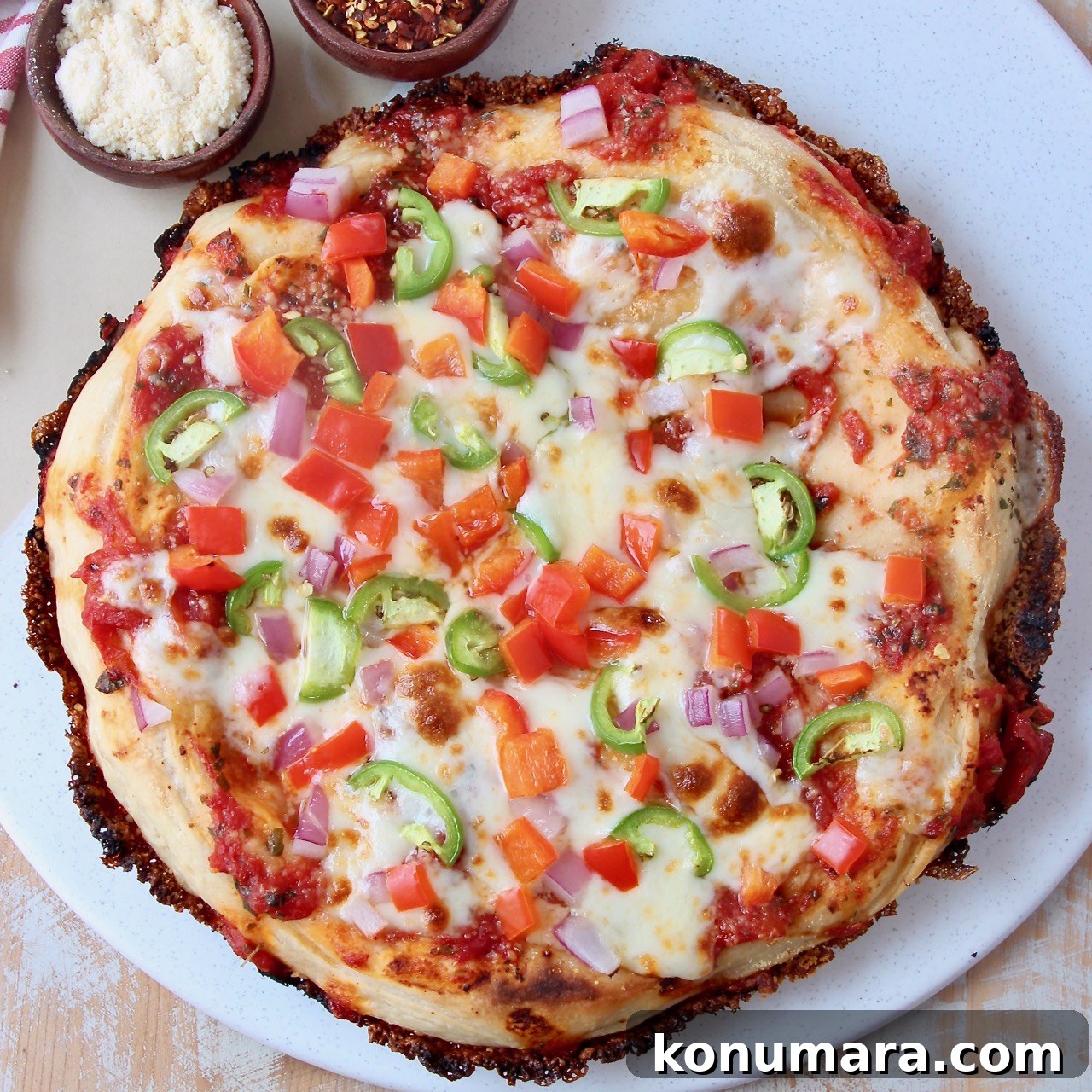
The best pan pizza combines a handmade dough, a well-seasoned crust, a crispy cheese ring and a bright, simple pizza sauce.
After months of testing every Friday night, this version became our go-to. Follow these tips and techniques to recreate Kurt’s famous pan pizza at home.
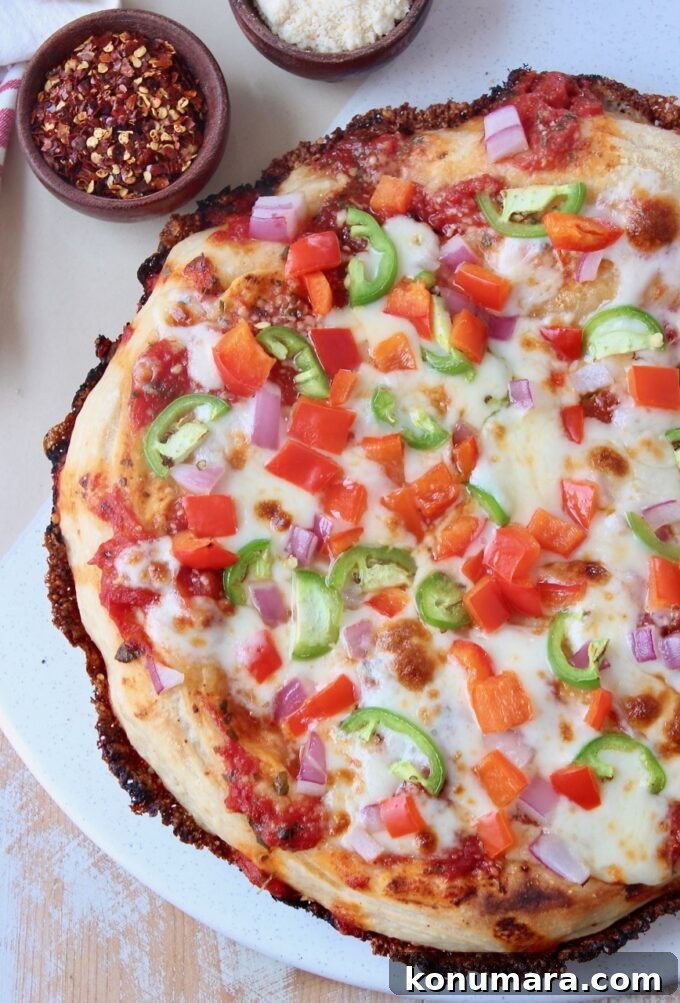
In 2020 we set out to perfect a homemade pan pizza that hits the sweet spot between thin crust and deep dish. Inspired by classic pan-style pies, Pizza Hut’s texture and that unforgettable breadstick seasoning, we tested dough, sauce, cheese and toppings until everything came together. The defining move was adding strips of low-moisture mozzarella around the edge of the pan to create a crunchy, golden cheese ring—this elevates an already great pizza into an exceptional one.
We made this pizza every Friday night for over a year, refining each step. The recipe below captures what we learned: a reliable dough method, an uncooked sauce that highlights quality tomatoes and herbs, the right cheese, and a two-step cooking process—stovetop to sear the bottom and form the crust, then a quick broil to finish the top and brown the cheese.
Table of contents
- How to make the dough
- How to make the sauce
- What kind of cheese to use
- How to make the pizza
- Topping and cooking the pizza
- For the toppings
- Tips and tricks
- Frequently asked questions
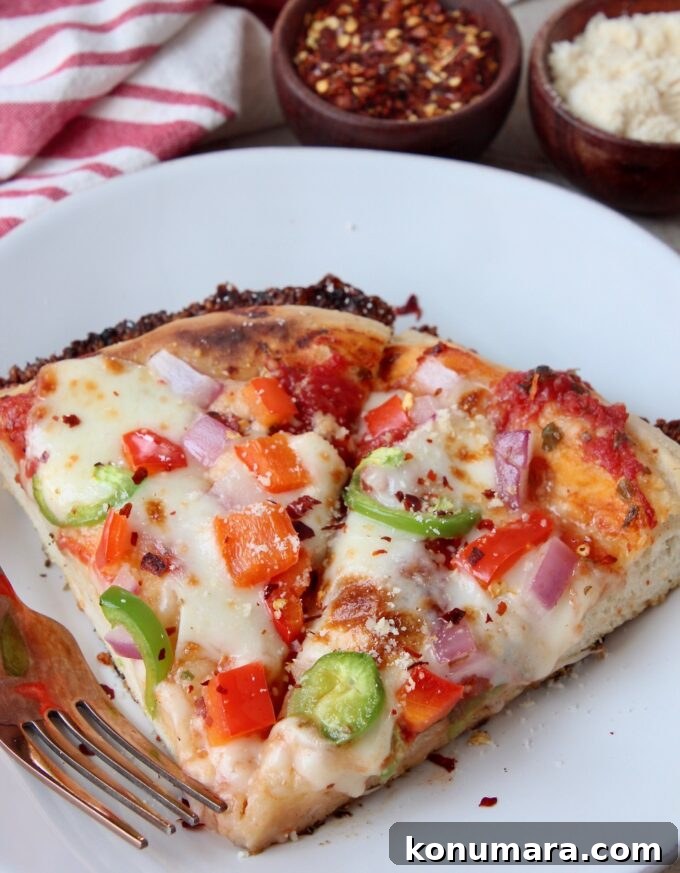
How to make the dough
This dough is forgiving and can be mixed in a bread machine, stand mixer or by hand. We prefer bread machines for convenience, but a stand mixer with a dough hook works very well and an electric hand mixer can substitute for some of the work.
Basic method (stand mixer or by hand):
- Combine bread flour, salt, sugar, yeast, olive oil and half the water in the mixer or a large bowl.
- Mix with a dough hook or electric hand mixer for 2 minutes to bring the ingredients together.
- Add the remaining water and continue mixing for about 15 minutes on medium speed—this replaces hand-kneading and develops the gluten for elasticity.
- Place the dough in a lightly oiled bowl, cover with a towel, and let rise in a warm spot until doubled—about 1 hour. For more flavor and texture you can rise up to 8 hours.
- After the first rise, punch down the dough and fold it in half several times to strengthen the structure, then cover and rest another hour.
The recipe yields enough dough for two 12-inch pizzas. Refrigerate any unused dough in an oiled airtight container for up to two weeks. If you’re using store-bought dough, bring it to room temperature for at least 30 minutes before shaping.
How to make the sauce
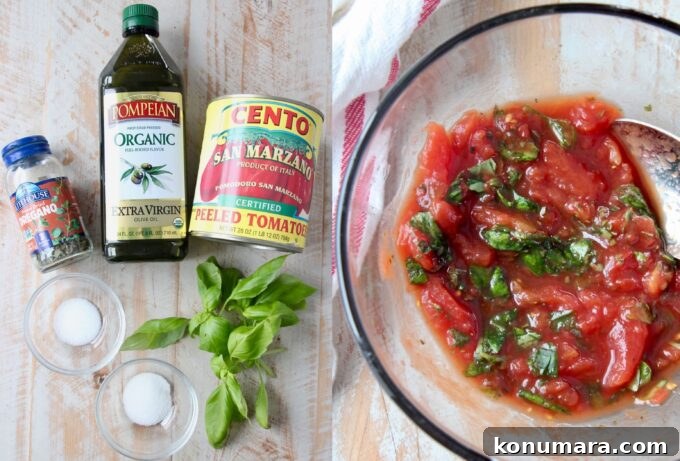
Pizza sauce is typically uncooked so the tomato and herb flavors stay bright and fresh. Use high-quality canned tomatoes—San Marzano if you can find them—and fresh herbs when possible.
- Pour whole peeled San Marzano tomatoes into a bowl and crush them by hand until broken down but still slightly chunky.
- Stir in olive oil, fresh basil and oregano (or dried equivalents), a pinch of salt and a small amount of sugar to balance acidity. Taste and adjust.
This simple, uncooked sauce takes only a few minutes and pairs beautifully with the cheesy pan crust.
What kind of cheese to use
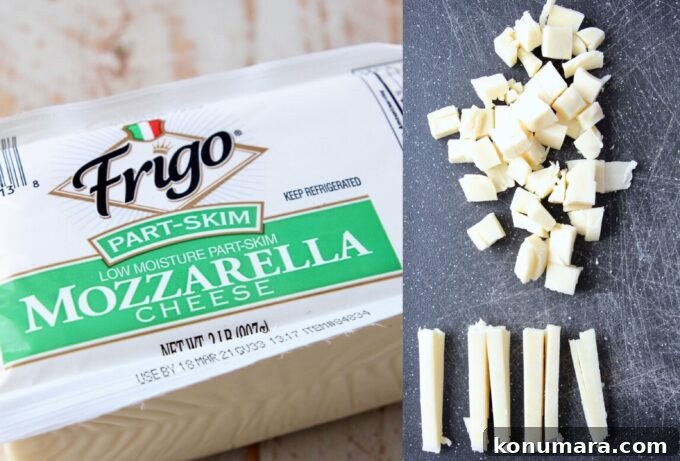
Low-moisture mozzarella is ideal. It melts evenly without releasing excessive moisture that can weigh the pizza down. You can use whole milk or part-skim low-moisture mozzarella. Cut most of the cheese into small cubes or thin slices for the pizza surface, and reserve some thin strips to line the edge of the pan—these strips will melt and crisp against the skillet to form the signature cheesy crust.
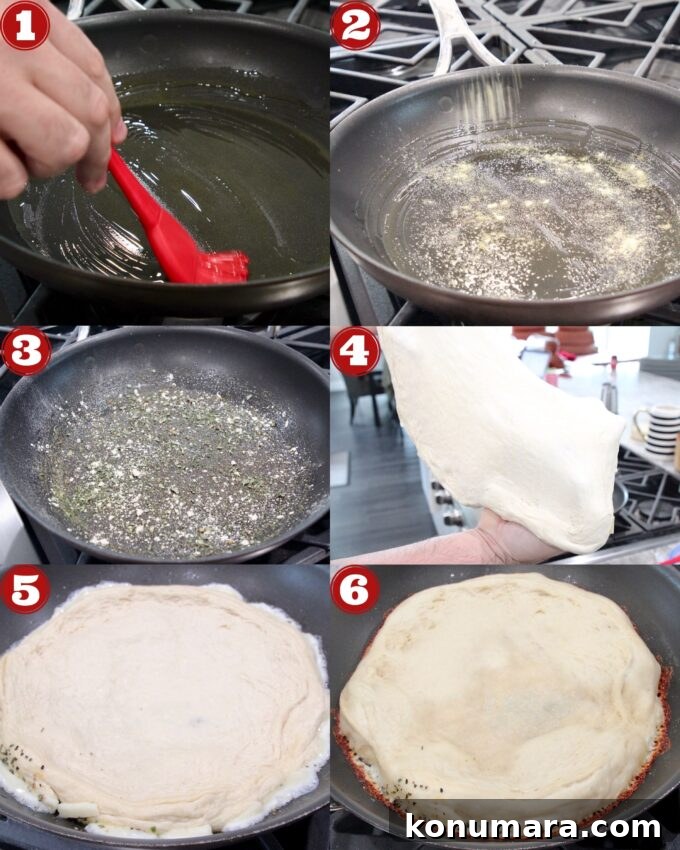
How to make the pizza
The cooking technique uses both stovetop and oven to get a crisp bottom and a well-browned top. Start by preheating your oven broiler to high.
- Brush 1 tablespoon olive oil on the bottom and sides of a 12-inch skillet (cast iron or a good nonstick pan). Sprinkle a small amount of cornmeal across the bottom for texture.
- Season the pan by scattering salt, black pepper, garlic powder, onion powder, dried basil and dried oregano across the oiled surface—this seasons the crust from the inside out.
- Gently stretch the dough by hand into a 12-inch round and place it in the prepared skillet. Cover with a towel and let rest 20–30 minutes to rise slightly.
- Place the skillet over high heat until the oil bubbles around the dough edges. Reduce heat to medium-high, add strips of mozzarella around the edge, and set a 10-minute timer. The cheese will begin to brown and the bottom will crisp.
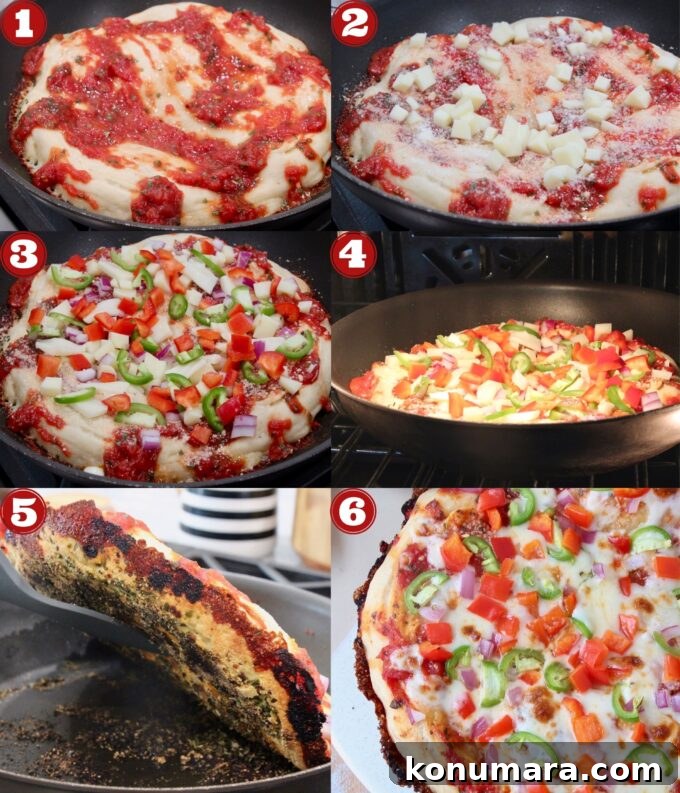
Topping and cooking the pizza
- After 8–9 minutes on the stove, spoon sauce evenly over the dough and sprinkle a little grated Parmesan.
- When the 10-minute timer ends, turn off the burner, add the remaining mozzarella and arrange your toppings.
- Place the skillet on the oven’s middle rack under the broiler for 1–3 minutes until the cheese is lightly browned and bubbly—watch closely to prevent burning.
- Remove the skillet from the oven and lift the pizza out immediately to stop it cooking in the hot pan. Transfer to a cutting board and rest 3–4 minutes before slicing.
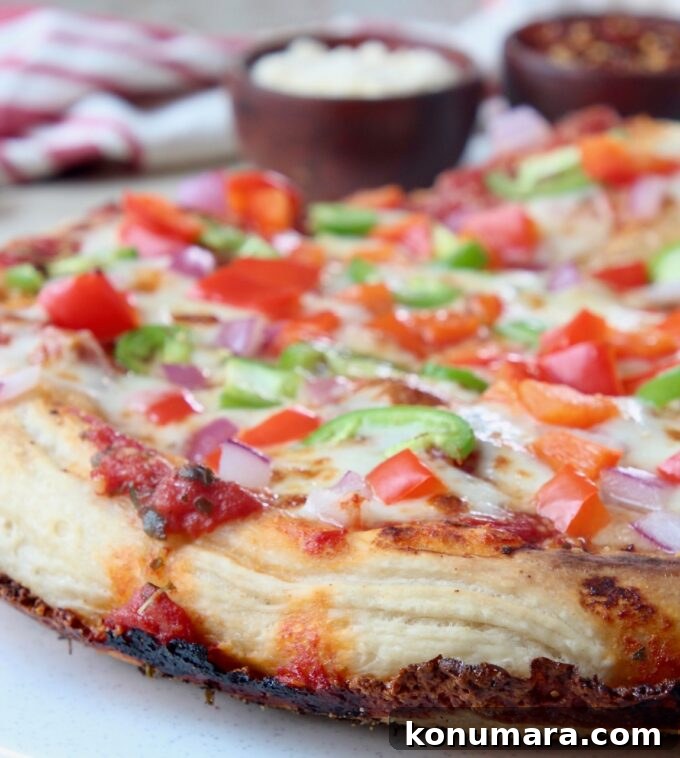
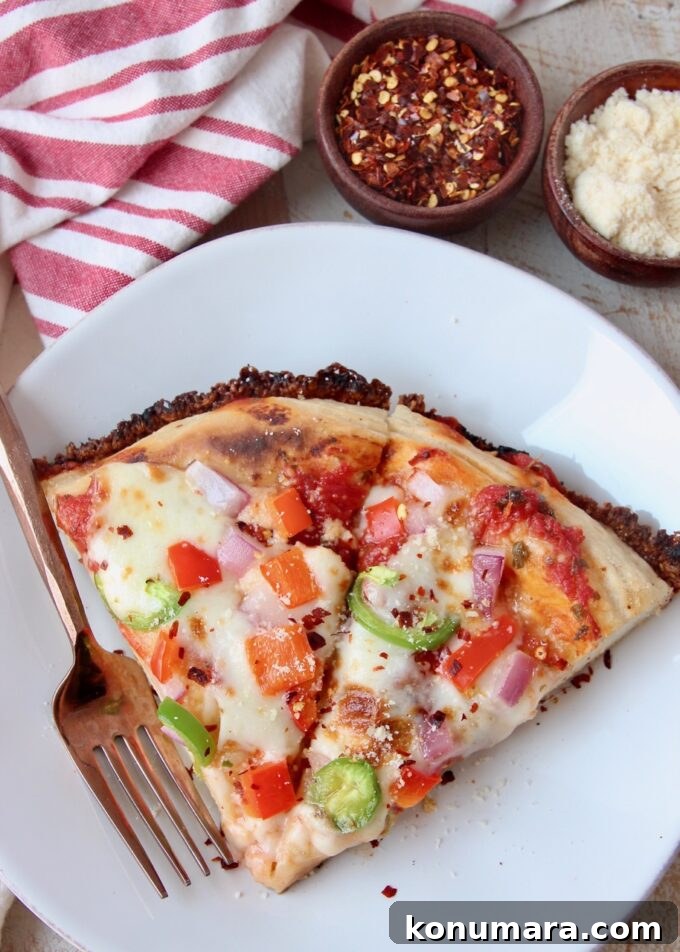
That crispy cheese ring around the edge is the hallmark of this pan pizza—golden, crunchy and flavorful.
For the toppings
We favor vegetables—diced red bell pepper, thinly sliced jalapeños and diced red onion are our go-to Friday-night combo. Mushrooms work well when dry and sautéed first. For pepperoni or other fatty meats, cook briefly in a skillet to render excess grease before adding them, preventing a soggy pie.
Limit toppings to about 1/2 cup total. Too many toppings or high-moisture ingredients will weigh down the pizza and make the center soggy. Below are a few popular combinations:
- Veggie: red bell pepper + jalapeño + onion
- Pepperoni & Bell: pepperoni + red bell pepper (pan-fry pepperoni first to reduce grease)
- Hawaiian: diced pineapple + Canadian bacon
- Chicago-style: Italian sausage + green bell pepper + onion
- Supreme: pepperoni + Canadian bacon + sausage + onions + green peppers + mushrooms + black olives
- Meat lover: sausage + pepperoni + ham + beef + bacon
- Cheese lover: mozzarella + Parmesan + herbed ricotta (add ricotta after baking)
Tips and tricks
- Never roll the dough. Hand-stretching preserves air pockets and yields a lighter, airier crust. A rolling pin will deflate the dough and make the crust tough.
- Use bread flour. Bread flour’s higher protein content builds more gluten, giving the dough the elasticity required for stretching and structure in the pan.
- Repair small holes. If a hole appears when stretching, pinch off a small piece from the outer edge and patch it gently.
- Avoid greasiness. Remove the pizza from the oven as soon as the cheese browns. Overcooking releases oils, which can make the pizza greasy. Also cook greasy meats ahead of time to render fat.
- Storage: Leftovers keep in the refrigerator up to 5 days in a sealed container. Dough stores refrigerated up to 2 weeks in an oiled airtight container.
Frequently asked questions
- How many slices does one pizza make? One 12-inch pizza is typically cut into 8 slices. Portions vary, but plan on about 3–4 slices per person for a typical appetite.
- Can I use store-bought dough? Yes. A 12-ounce ball of refrigerated dough works fine—bring it to room temperature for at least 30 minutes before shaping.
- How should I reheat leftover pan pizza? Reheat in the oven to maintain crispness: under the broiler for 2–3 minutes or wrapped in foil at 350°F for 15 minutes. Microwaving is faster but may soften the crust.
Ingredients (summary)
Dough
- 10 ounces room-temperature water
- 2 tablespoons olive oil
- 2 teaspoons granulated sugar
- 1 1/2 teaspoons salt
- 3 cups + 5 tablespoons bread flour
- 1/2 teaspoon active dry yeast
Sauce
- 3 whole peeled San Marzano tomatoes, crushed
- 1/2 tablespoon olive oil
- 1/2 teaspoon salt
- 1 teaspoon granulated sugar
- 1 tablespoon fresh basil (or 1 teaspoon dried)
- 1 tablespoon fresh oregano (or 1 teaspoon dried)
Pizza
- 1 tablespoon olive oil
- 1 teaspoon cornmeal
- Seasonings for the pan: 1/4 teaspoon salt, 1/4 teaspoon black pepper, 1/4 teaspoon garlic powder, 1/4 teaspoon onion powder, 1/2 teaspoon dried basil, 1/2 teaspoon dried oregano
- 6–8 ounces low-moisture mozzarella, cut into small cubes and thin strips for the edge
Toppings (example)
- 2 tablespoons diced red onion
- 2 tablespoons diced red bell pepper
- 1/2 jalapeño, thinly sliced
Notes
- Limit toppings to about 1/2 cup to avoid soggy centers.
- Always watch the broiler closely—pizza can brown in seconds.
- Use fresh or high-quality canned tomatoes for the best sauce flavor.
If you follow these steps—good dough, a flavorful uncooked sauce, low-moisture mozzarella and the stovetop-to-broiler technique—you’ll have a homemade pan pizza with a crispy bottom, a light, airy interior and a golden, crunchy cheese rim every time.