
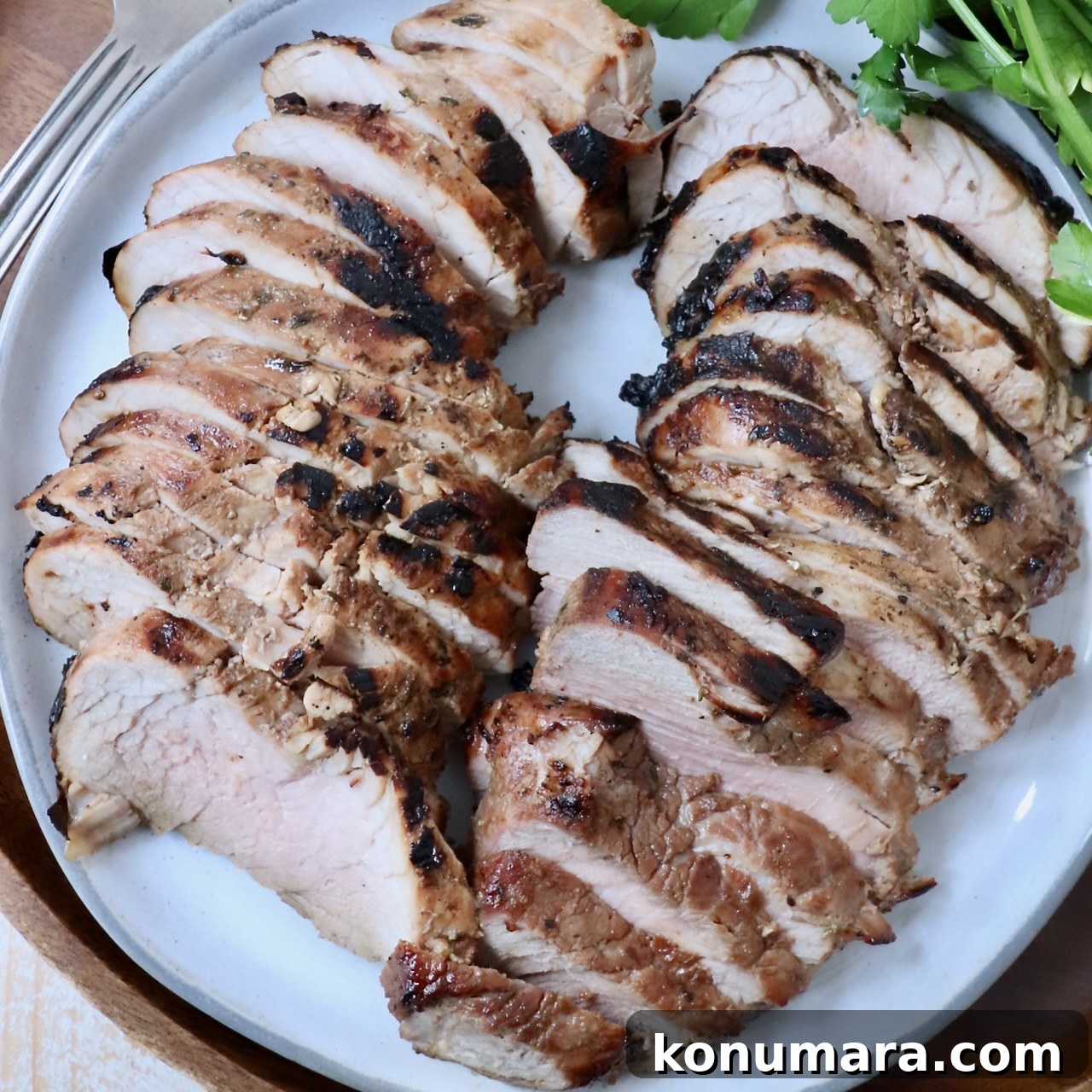
Create the most tender and juicy pork tenderloin with this easy, tested, and perfected Pork Tenderloin Marinade recipe. With eight simple ingredients and a quick one-hour marinade, you can say goodbye to dry, bland pork forever. This marinade is designed for grilling, but it also works beautifully for smoking, pan-frying, or oven roasting.
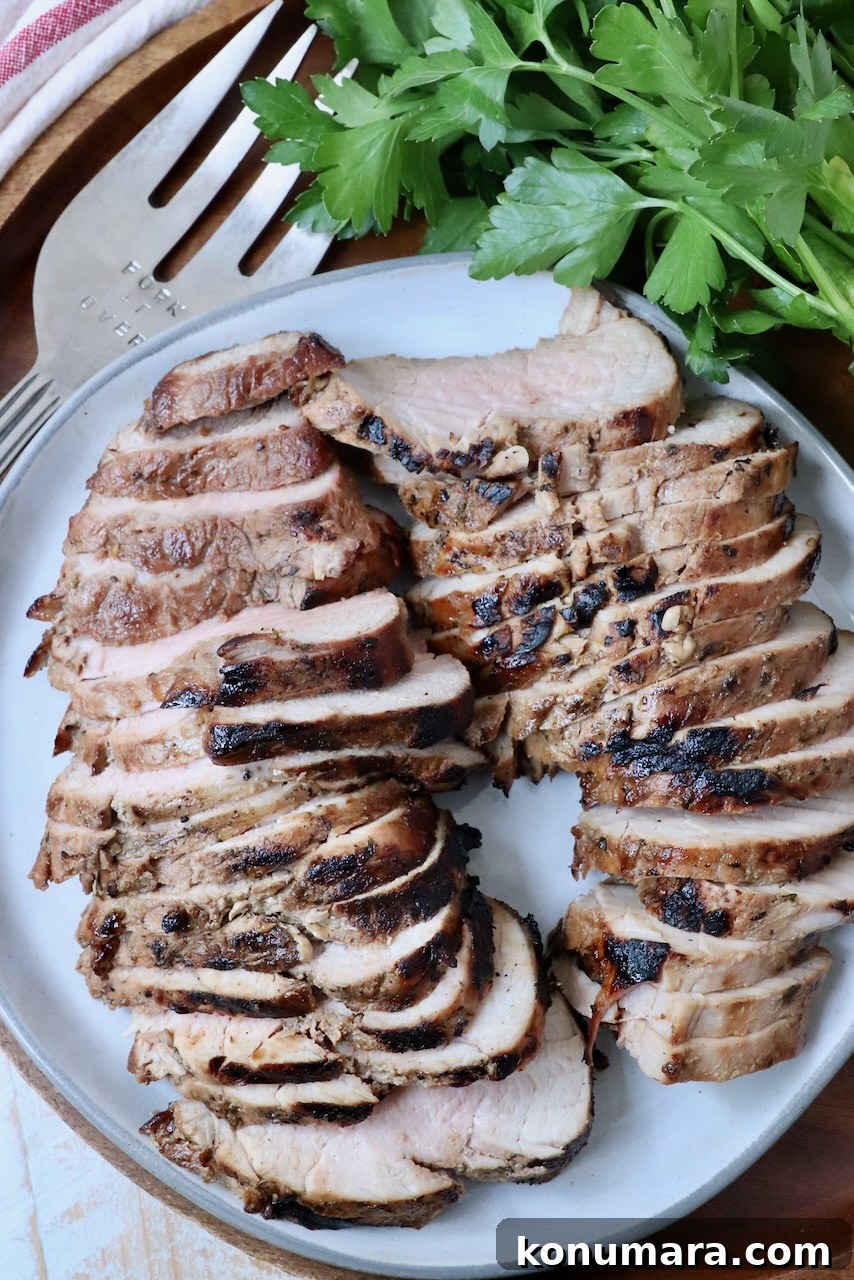
Table of contents
- What makes it the best
- Ingredients
- Instructions
- How to roast the pork in the oven
- How to pan fry the pork
- Recipe tips
- How to make pork kabobs
- What to serve with the pork
- More pork recipes
After the success of a popular steak marinade, this pork tenderloin marinade was developed to bring the same reliable flavor and texture to pork. A good marinade balances acid, salt, sweetness, fat, and aromatics to both flavor and tenderize the meat. This version uses everyday pantry ingredients to create juicy, tender slices without fuss.
This recipe makes enough marinade for two pounds of pork tenderloin and is easy to scale. Marinate for at least one hour for noticeable improvement in tenderness and flavor; for best results you can marinate up to 24 hours. After marinating, the pork cooks quickly—about 20 minutes on the grill—making it ideal for weeknights and weekend barbecues alike.
What makes it the best
- Acid from lemon juice helps break down muscle fibers and tenderize the pork.
- Salt from low-sodium soy sauce enhances the meat’s natural flavor and adds umami.
- Honey provides balance by softening the acidity and adding a light glaze.
- Worcestershire sauce contributes an extra layer of savory, rounded flavor.
- Olive oil helps the pork form a golden, appealing crust when seared or grilled.
- Together these ingredients create a balanced marinade that enhances texture and taste without overpowering the pork.
Ingredients
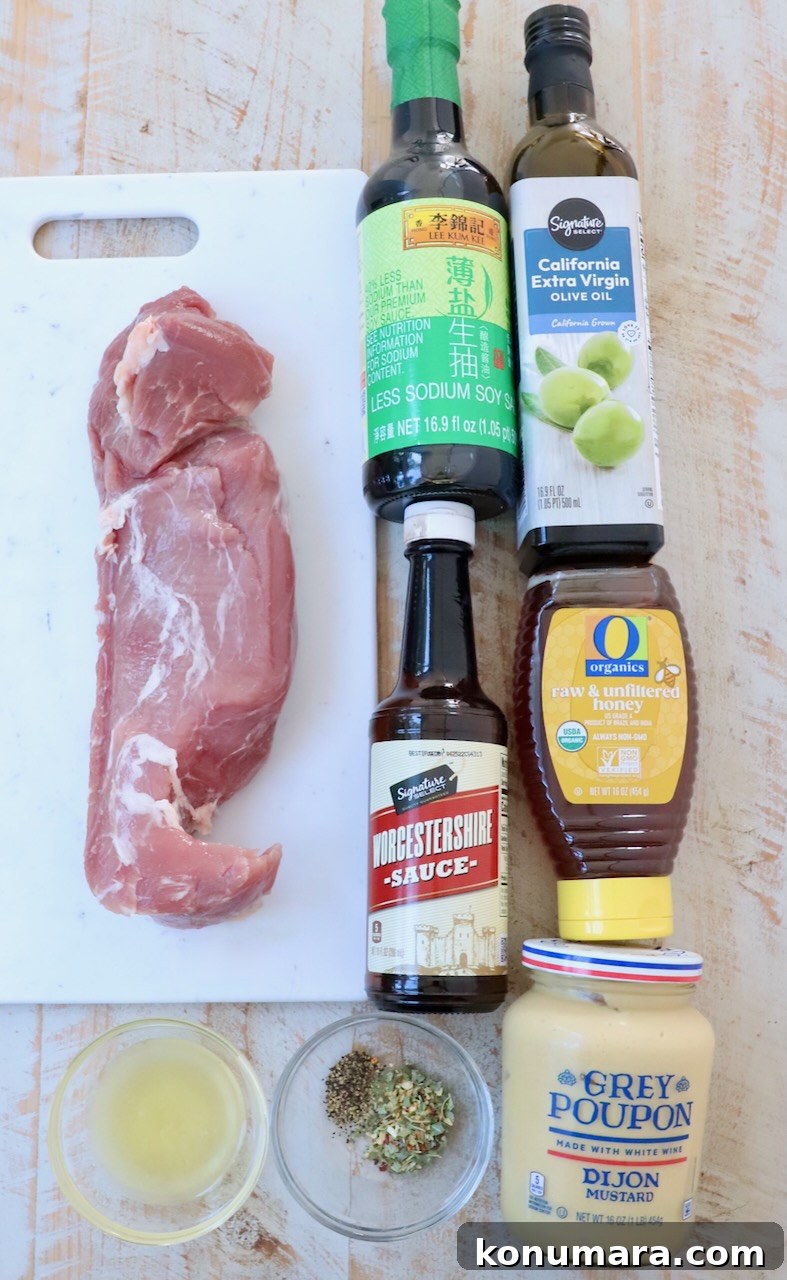
Combine these eight ingredients to make the pork tenderloin marinade. The quantities in the recipe card below are scaled for two pounds of pork. This list highlights why each ingredient matters:
- Pork tenderloin – a lean, tender cut that cooks quickly. Note that pork tenderloin is different from pork loin; they are not interchangeable in most recipes due to differences in size and thickness.
- Low-sodium soy sauce – provides salt and umami without being overly salty.
- Olive oil – or another neutral oil such as avocado, canola, or sunflower oil, to help coat the meat and promote a nice sear.
- Lemon juice – fresh-squeezed citrus adds bright flavor and tenderizing acid.
- Worcestershire sauce – deepens the savory profile of the marinade.
- Dijon mustard – a binder that helps the marinade cling to the meat and adds tang.
- Honey – balances acid and salt with a touch of sweetness; maple syrup or agave can be substituted.
- Italian seasoning – a dried herb blend for aromatic depth; use homemade or store-bought.
- Black pepper – simple seasoning to finish the marinade.
Instructions
Follow these straightforward steps to marinate and cook the pork tenderloin. Below are grilling instructions; alternate cooking methods follow in their respective sections.
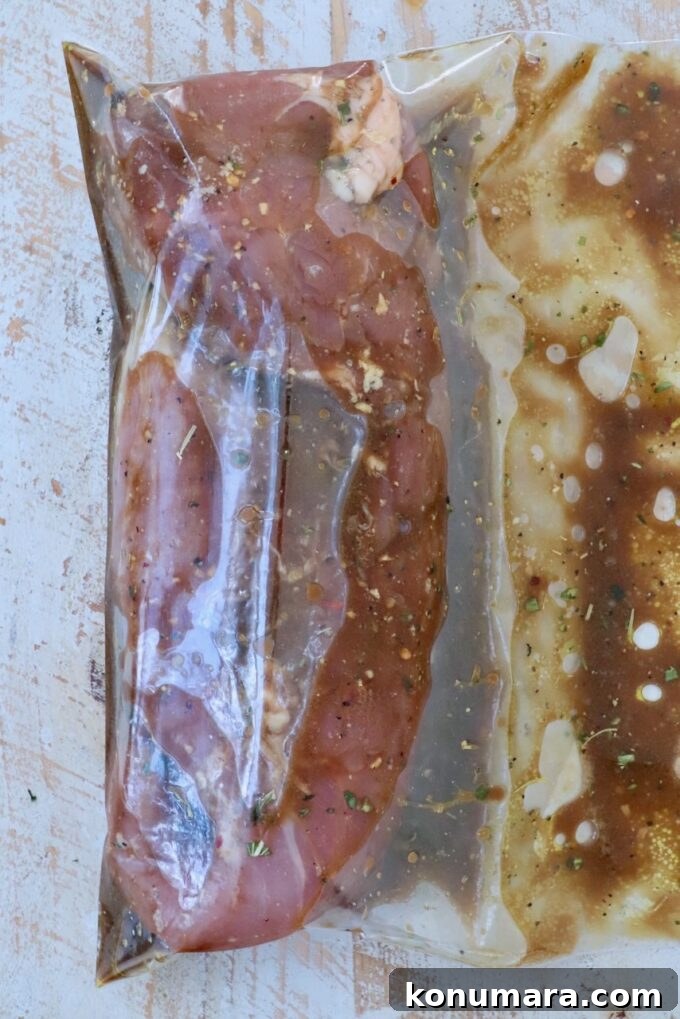
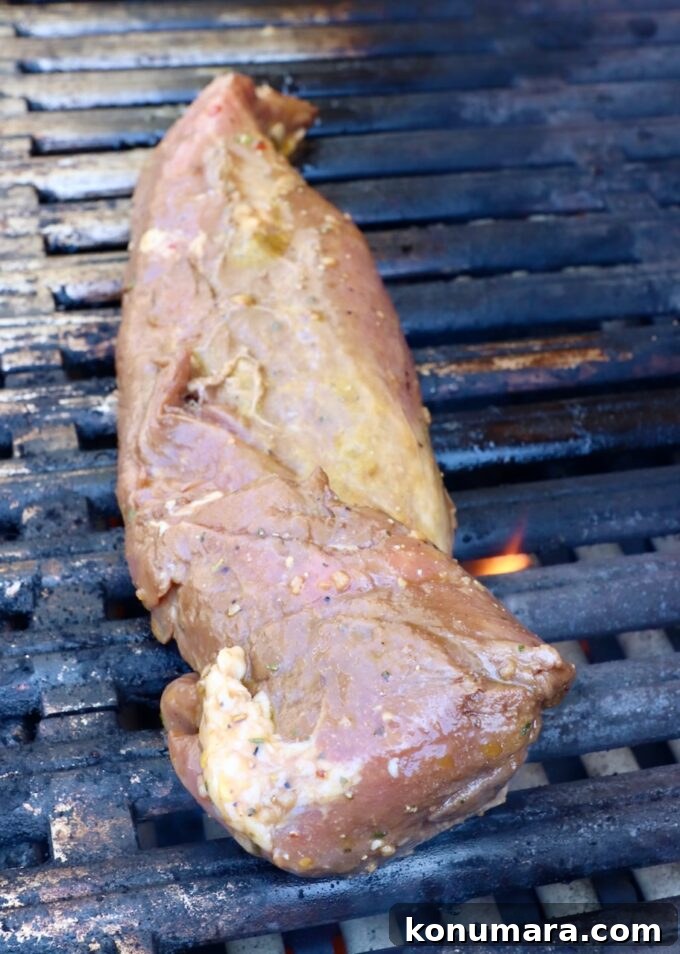
- Make the marinade. In a small bowl, whisk together low-sodium soy sauce, olive oil, lemon juice, Worcestershire sauce, Dijon mustard, honey, Italian seasoning, and black pepper. Place up to 2 pounds of pork tenderloin in a large bowl or a zipper bag and pour the marinade over the pork. Refrigerate and marinate for at least 1 hour or up to 24 hours.
- Bring to room temperature and preheat the grill. Remove the pork from the refrigerator 30 minutes before cooking. Preheat the grill to high heat (about 450–500°F) and prepare a two-zone fire by turning half the burners to low.
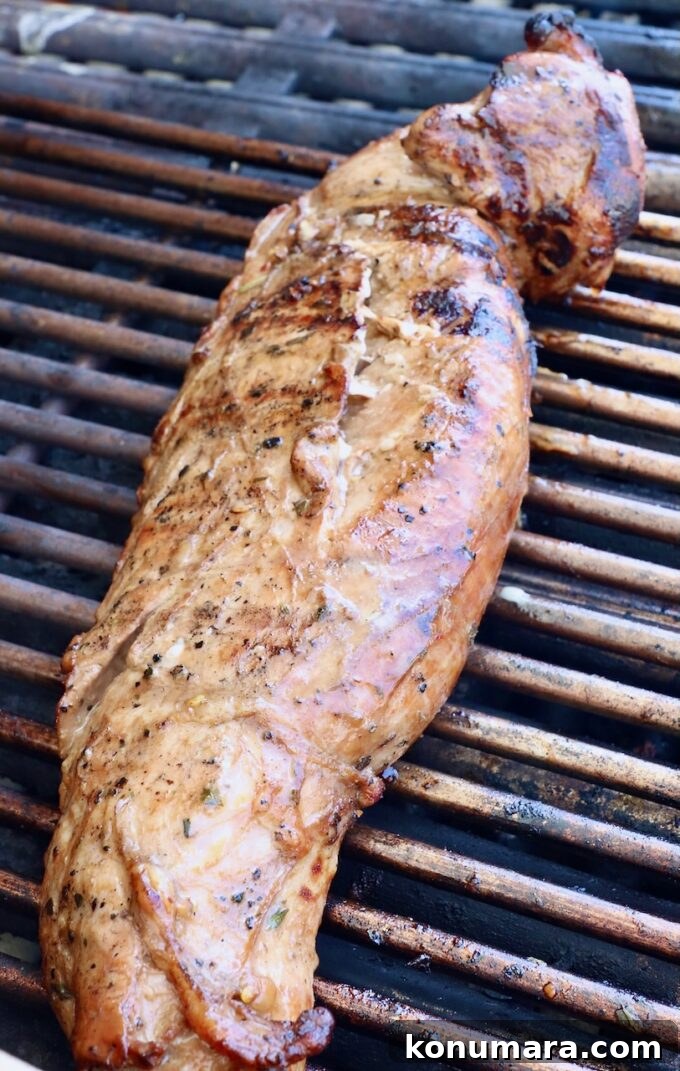
- Sear over high heat. Use tongs to transfer the pork to the hot side of the grill and sear for about 2 minutes per side to develop color and flavor.
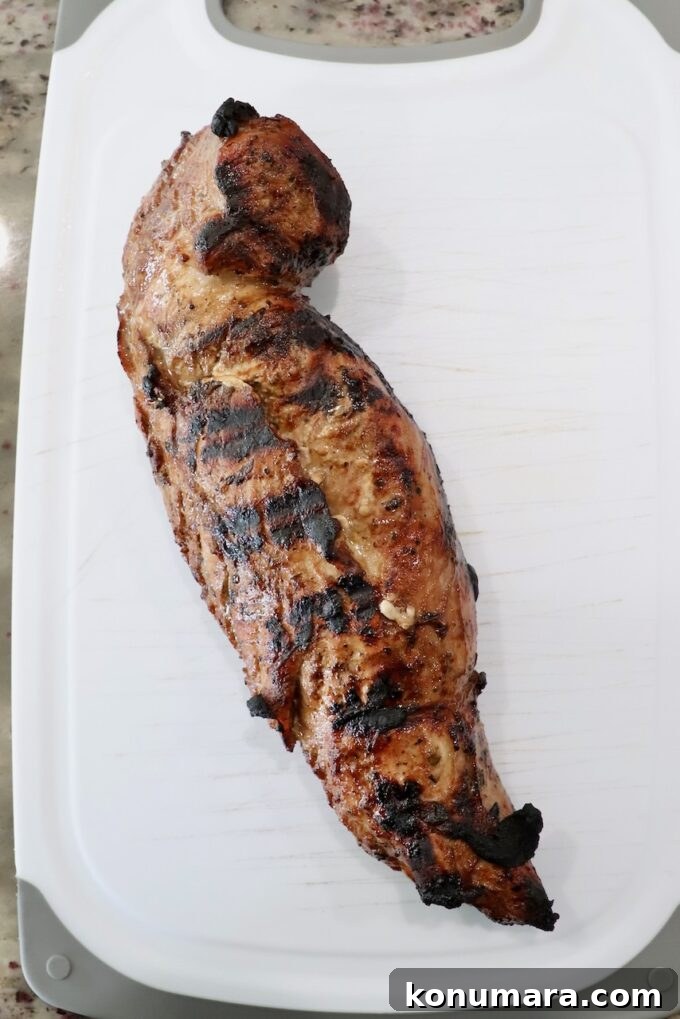
- Finish on low heat. Move the tenderloin to the cooler side of the grill and cook for 6–8 minutes per side, or until an instant-read thermometer registers 140°F.
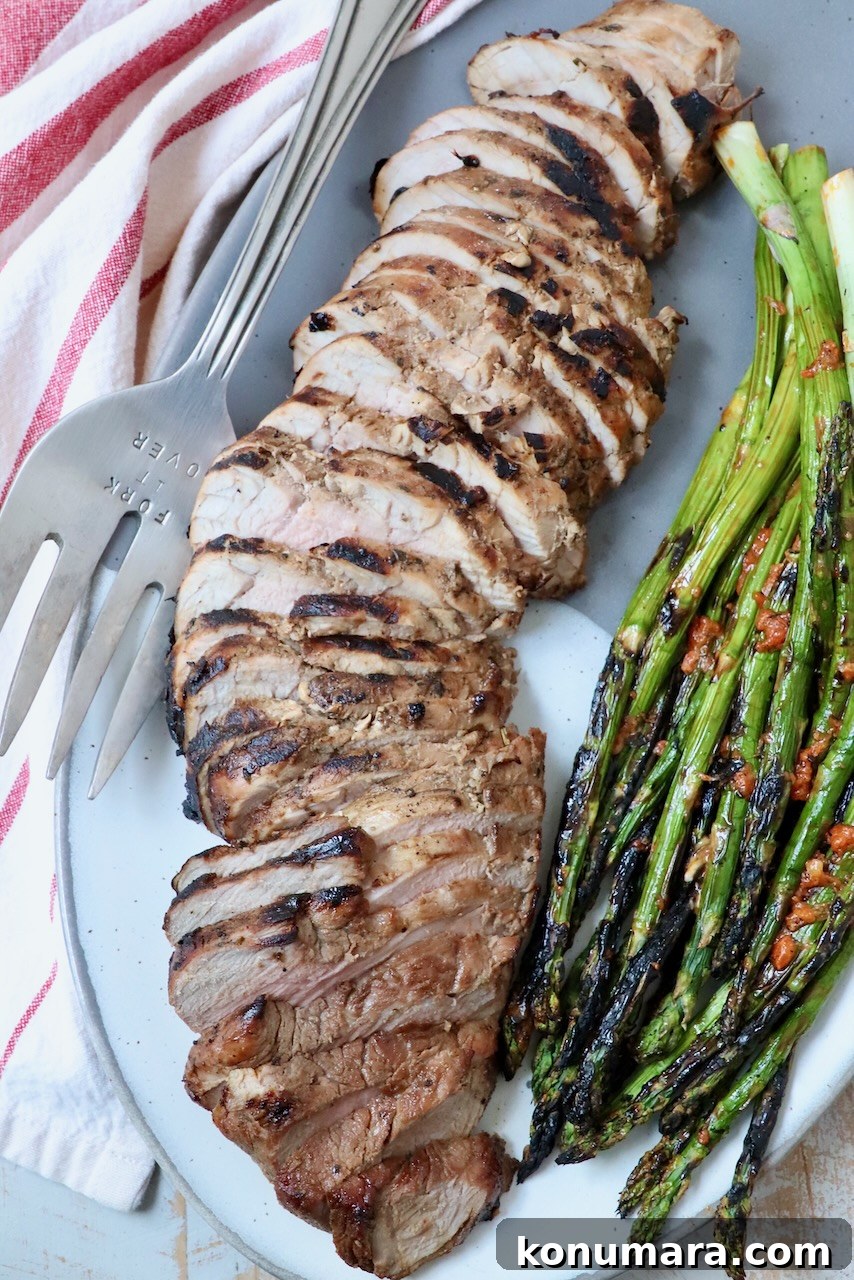
- Rest and slice. Remove the pork from the grill and allow it to rest for at least 10 minutes. The internal temperature will rise to about 145°F as it rests. Slice thinly across the grain into 1/4-inch slices or to your preferred thickness.
Smoking option: For a smoked finish, remove the pork from the marinade and smoke in a preheated smoker at 225°F until the internal temperature reaches 140°F. This can take around 2 hours; always cook to temperature rather than time.
How to roast the pork in the oven
- Marinate the pork for 1–24 hours.
- Preheat the oven to 400°F. Remove the pork from the marinade and place it on a rack set inside a roasting pan or casserole dish.
- Roast for 20–25 minutes, or until the internal temperature reaches 140°F on an instant-read thermometer.
- Let the pork rest for 10 minutes before slicing so the temperature rises to 145°F and the juices redistribute.
How to pan fry the pork
- Marinate the pork as directed.
- Heat a heavy skillet over medium-high heat. A cast-iron skillet works best to achieve a deep sear.
- Remove the pork from the marinade and pat it dry with paper towels to prevent steaming and to help form a crust.
- Sear the tenderloin for about 7 minutes on the first side without moving it, then flip and cook another 7 minutes, or until the internal temperature reaches 140°F.
- Rest the pork for 10 minutes before slicing and serving.
Recipe tips
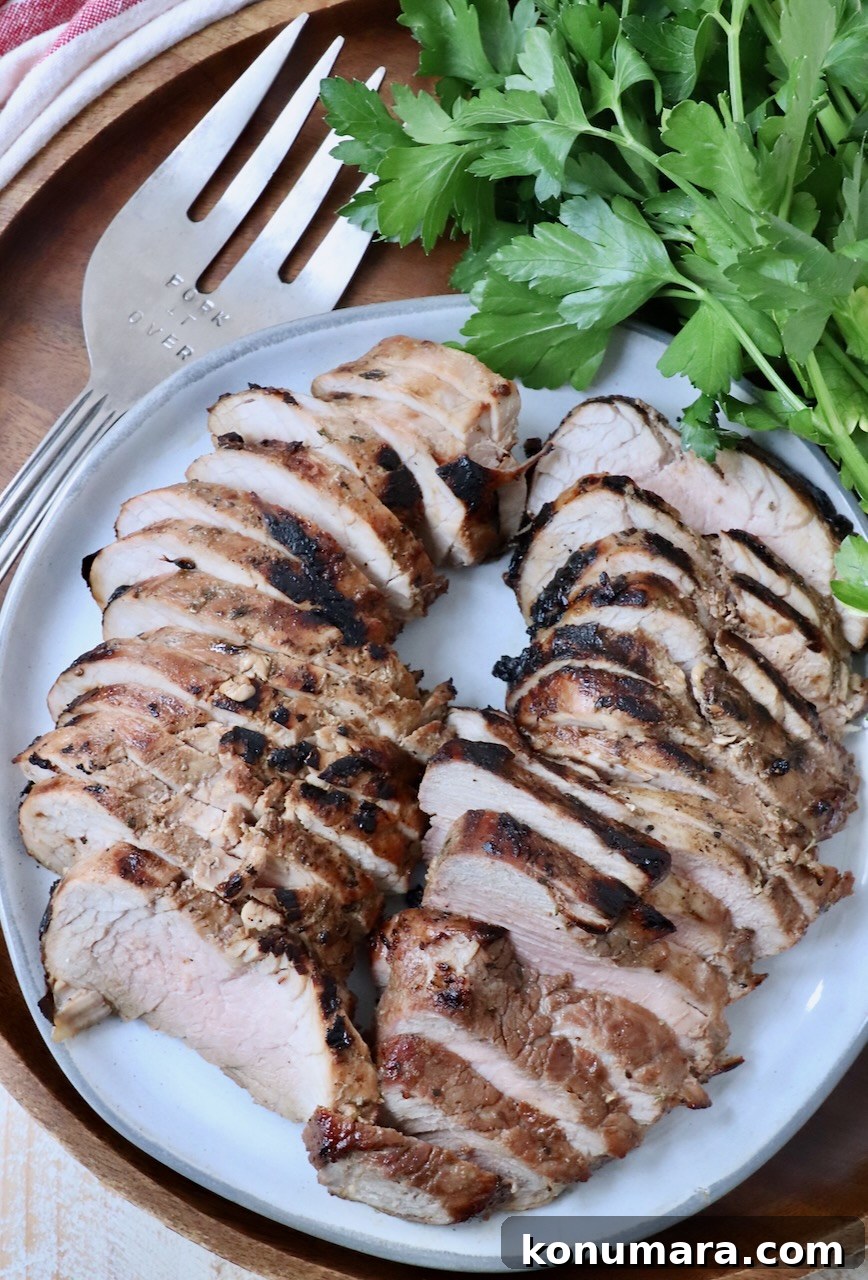
- Slice thin for best texture. Thin slices show off the juicy, tender interior—an electric knife or a very sharp chef’s knife makes this easy.
- Trim silver skin. Remove any silver skin before marinating by loosening it with a small knife and pulling it away with a paper towel.
- Soy alternatives. If you avoid soy or gluten, coconut aminos can be used in place of soy sauce; consider adding 1/2 teaspoon salt if using coconut aminos.
- Recipe yield. This marinade covers up to 2 pounds of pork; halve the recipe for 1 pound or double for 4 pounds.
- Make ahead. The marinade can be mixed and stored in the refrigerator for up to five days. Do not marinate the meat for more than 24 hours to avoid a mushy texture.
- Do not rinse before cooking. For grilled pork, transfer directly from the marinade to the grill. For pan-frying, pat dry to remove excess marinade and ensure a proper sear.
How to make pork kabobs
For kabobs, cube the pork into 1-inch pieces before marinating so more surface area soaks up flavor. Marinate cubed pork for 1 to 8 hours (avoid longer marinating for small pieces). Thread the pork onto skewers with vegetables such as zucchini, bell pepper, and onion. Grill over medium-high heat for about 5 minutes per side, or until cooked through. If using wooden skewers, soak them for at least 30 minutes before grilling to prevent burning.
What to serve with the pork
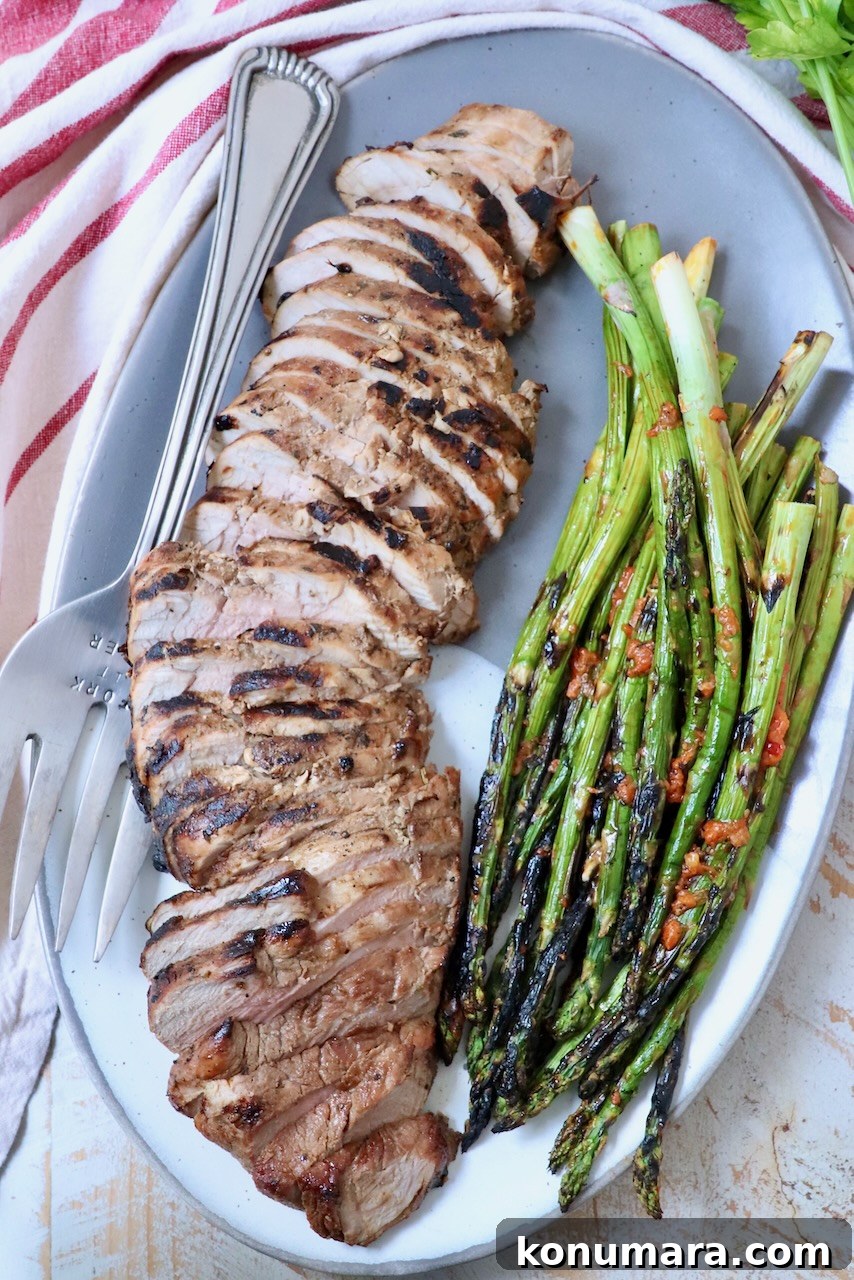
Pork tenderloin pairs beautifully with potatoes and seasonal vegetables. Whether grilled or oven-roasted, consider serving with grilled asparagus, roasted baby potatoes, mac and cheese, corn on the cob, or a fresh pasta or potato salad for a complete meal.
More pork recipes
If you enjoy this marinade, try it as a launch point for other pork dishes—pulled pork sliders, smoked tenderloin, and slow-cooker pork are all excellent ways to explore the versatility of pork with bold flavor.
Pork Tenderloin Marinade
Ingredients
- 2 pounds boneless pork tenderloin
- 1/4 cup low-sodium soy sauce
- 1/4 cup olive oil
- 2 tablespoons lemon juice
- 1 tablespoon Worcestershire sauce
- 1 tablespoon Dijon mustard
- 1 tablespoon honey
- 1 teaspoon Italian seasoning
- 1/4 teaspoon black pepper
Instructions
- Whisk soy sauce, olive oil, lemon juice, Worcestershire sauce, Dijon mustard, honey, Italian seasoning, and black pepper in a small bowl.
- Place pork in a large zipper bag or bowl, pour marinade over the pork, and refrigerate for at least 1 hour or up to 24 hours.
- Remove pork from refrigerator 30 minutes before cooking to come to room temperature.
- Preheat a grill to 450–500°F and create a two-zone heat with one side lower.
- Sear the pork over high heat for about 2 minutes per side.
- Move the pork to the cooler side of the grill and cook 6–8 minutes per side until the internal temperature reads 140°F.
- Remove the pork and rest for 10 minutes before slicing. The final temperature should reach around 145°F.
Notes
- Refer to the cooking method sections above for instructions on smoking, oven roasting, or pan-frying instead of grilling.
- Trim any silver skin before marinating for best texture.
- If substituting coconut aminos for soy sauce, add 1/2 teaspoon salt to the marinade to compensate for reduced sodium.
- Do not marinate longer than 24 hours to avoid a mushy texture.
- For skillet cooking, pat pork dry before searing to ensure a good crust.
Nutrition Facts (approx.)
Carbohydrates: 7 g
Protein: 49 g
Fat: 22 g
Sodium: 1025 mg