
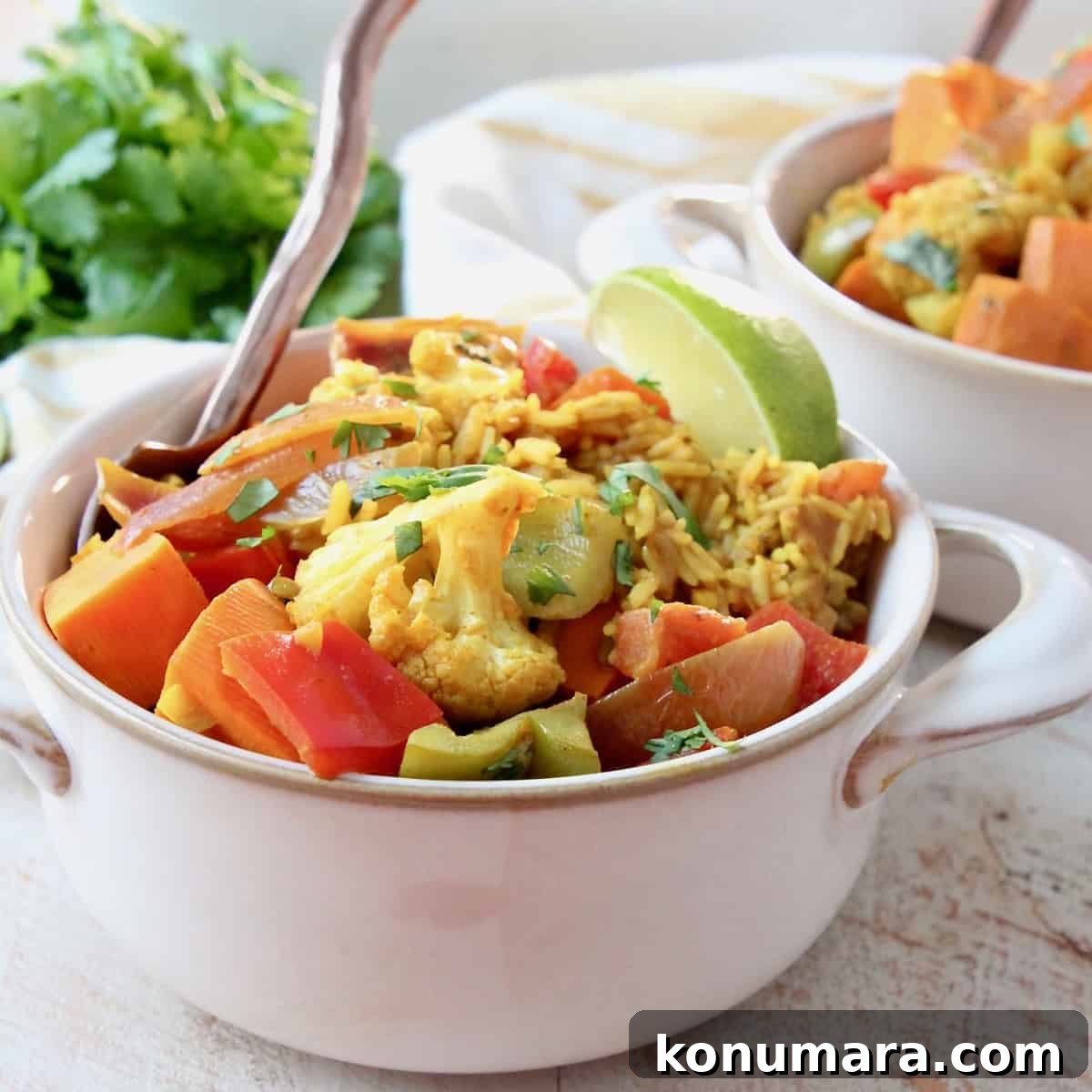
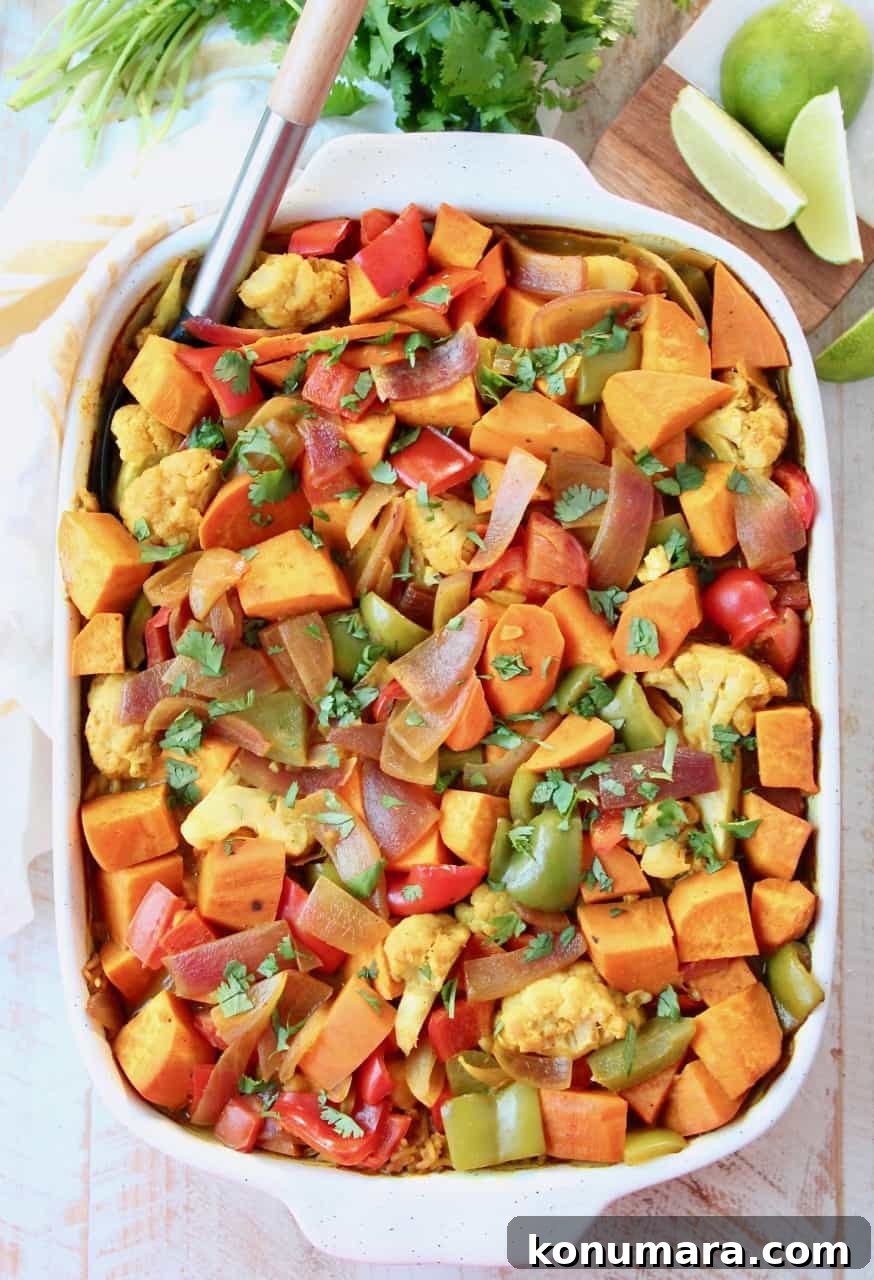
You’ll fall in love with this easy Vegetable Curry Casserole. A hearty mix of vegetables, rice and a fragrant Indian-style yellow curry sauce all bake together to make an incredibly flavorful, comforting meal.
Simple to prepare, naturally gluten-free and vegan, this casserole yields plenty of servings—ideal for feeding a family or for meal prep throughout the week.
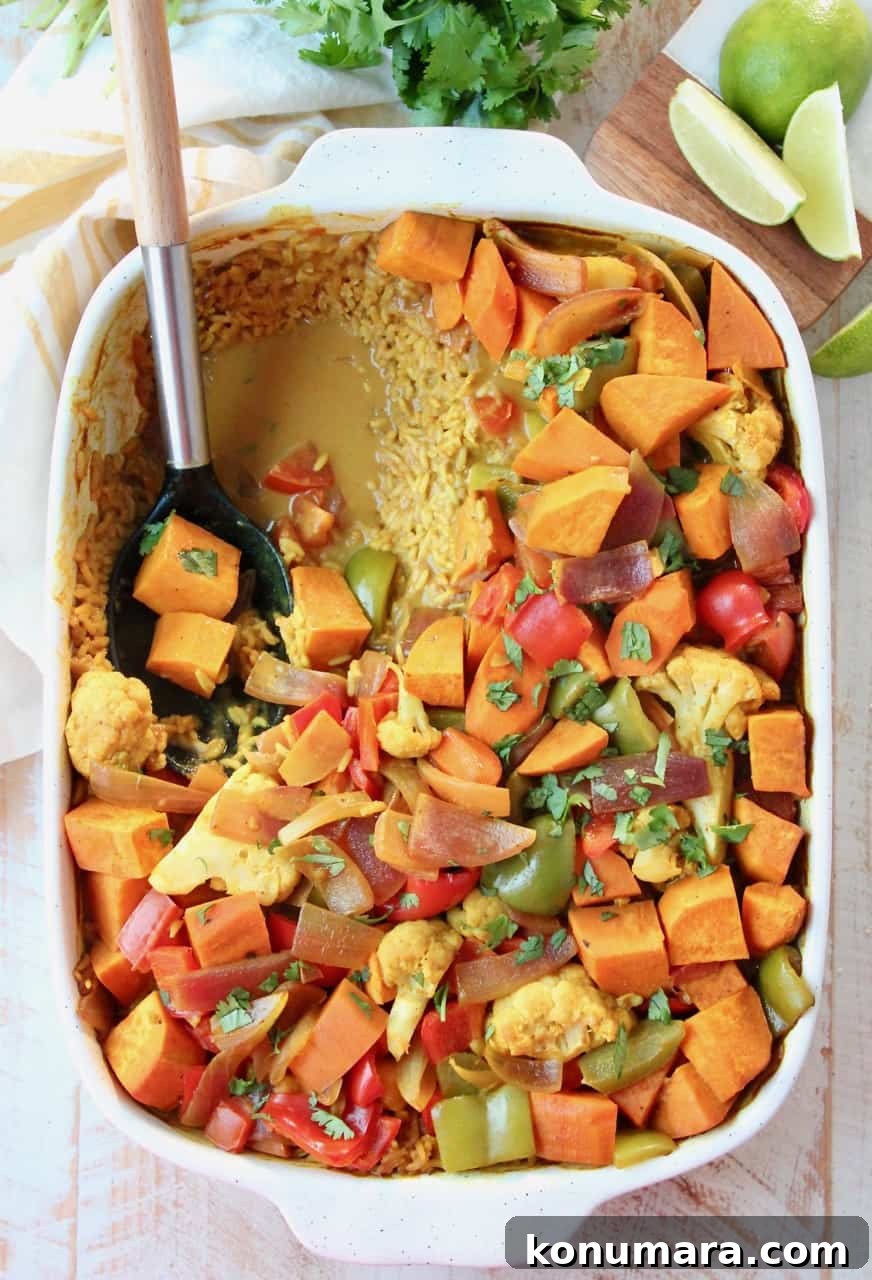
When I want an easy, satisfying way to get a big helping of vegetables, this casserole is one of my go-to recipes. Sweet potatoes and carrots bring a gentle natural sweetness, so the sauce only needs a touch of brown sugar to balance the savory spices.
This casserole is perfect for meal prep. It makes about eight servings and keeps well as leftovers. I often make it on the weekend and enjoy it for lunches and dinners during the week.
The recipe is flexible: use your favorite vegetables or whatever you have on hand. The key is the light, aromatic curry sauce that pulls everything together.
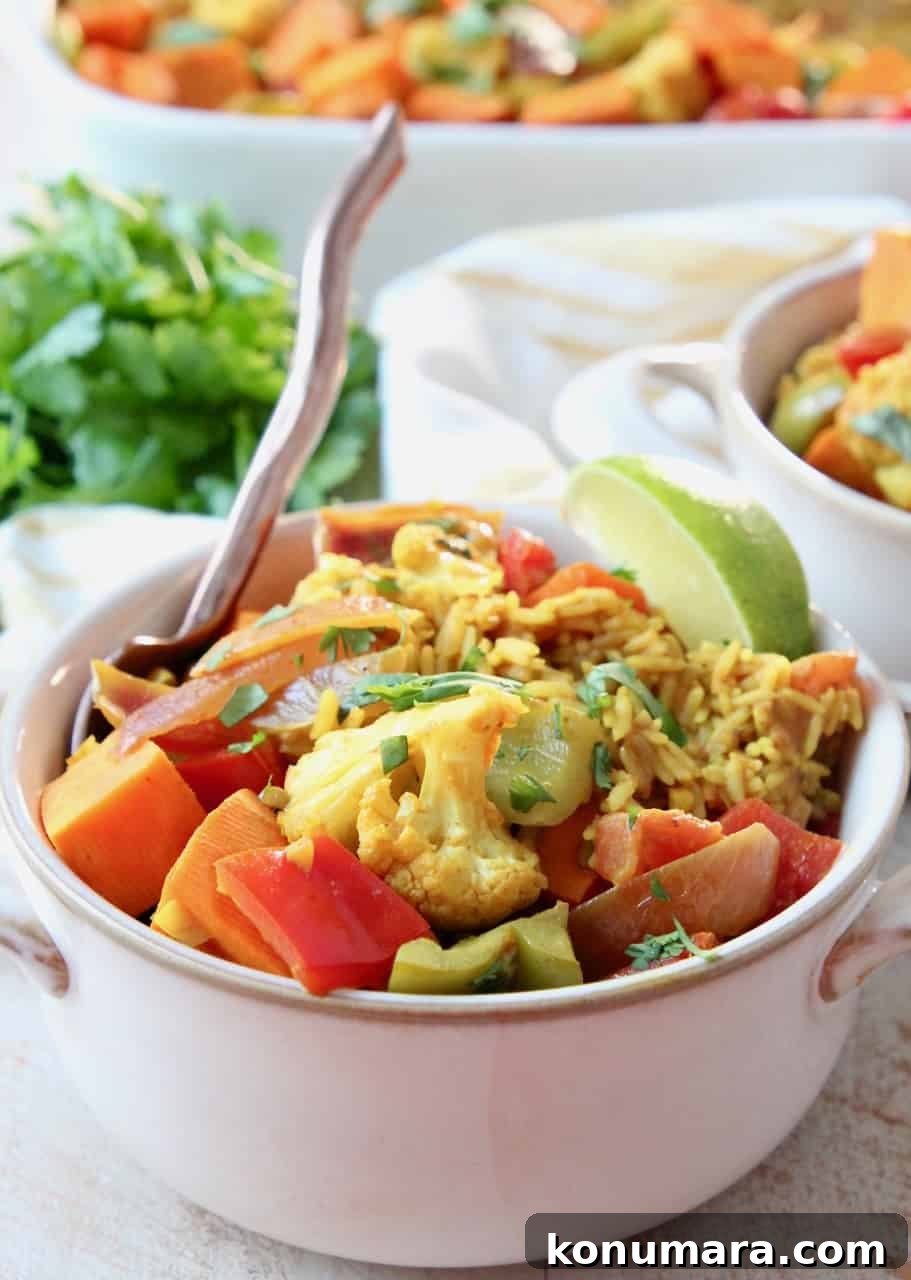
Ingredients
- Olive oil — 2 tablespoons
- Onion — 1 cup, large dice
- Fresh garlic — 3 cloves, minced
- Fresh ginger — 1 tablespoon, grated (tip: keep peeled ginger in the freezer; it grates easily and lasts longer)
- Curry powder — 1/4 cup (any yellow curry powder works; choose mild or spicy based on preference)
- Cayenne pepper — 1 teaspoon (adjust to taste)
- Tomato paste — 2 tablespoons
- Brown sugar — 1/4 cup
- Light coconut milk — 2 (13.5 oz) cans
- Vegetable broth or stock — 1 cup
- Bell pepper — 2 cups, large dice
- Sweet potatoes — 2 pounds, large dice
- Carrots — 1 cup, sliced about ½ inch thick
- Cauliflower florets — 2 cups
- Tomatoes — 2, cored and chopped
- Uncooked white rice — 2 cups (basmati or brown rice may be used, but adjust cook time/liquid if using brown)
Optional additions / toppings
- Fresh cilantro, chopped — about 2 tablespoons
- Lime wedges — for squeezing over the finished casserole
- Greek yogurt or coconut yogurt — ½ cup for serving (use coconut yogurt to keep the dish fully vegan)
Step-by-step instructions
- Preheat the oven to 350°F (175°C).
- Make the curry base. In a large pot or Dutch oven over medium-high heat, warm the olive oil. Add the diced onion and sauté 6–8 minutes until beginning to brown. Add the grated ginger and minced garlic and cook for 1 minute.
- Toast the spices. Stir in the curry powder and cayenne, toasting briefly for about 30 seconds to release the aromas. Add the tomato paste and stir until well combined with the aromatics, about 30–60 seconds.
- Add liquids and balance flavors. Pour in the brown sugar, light coconut milk and vegetable broth. Stir to combine so the sauce is smooth and evenly seasoned.
- Add the vegetables. Add the bell pepper, sweet potatoes, carrots, cauliflower and chopped tomatoes. Toss the vegetables in the sauce so everything is coated.
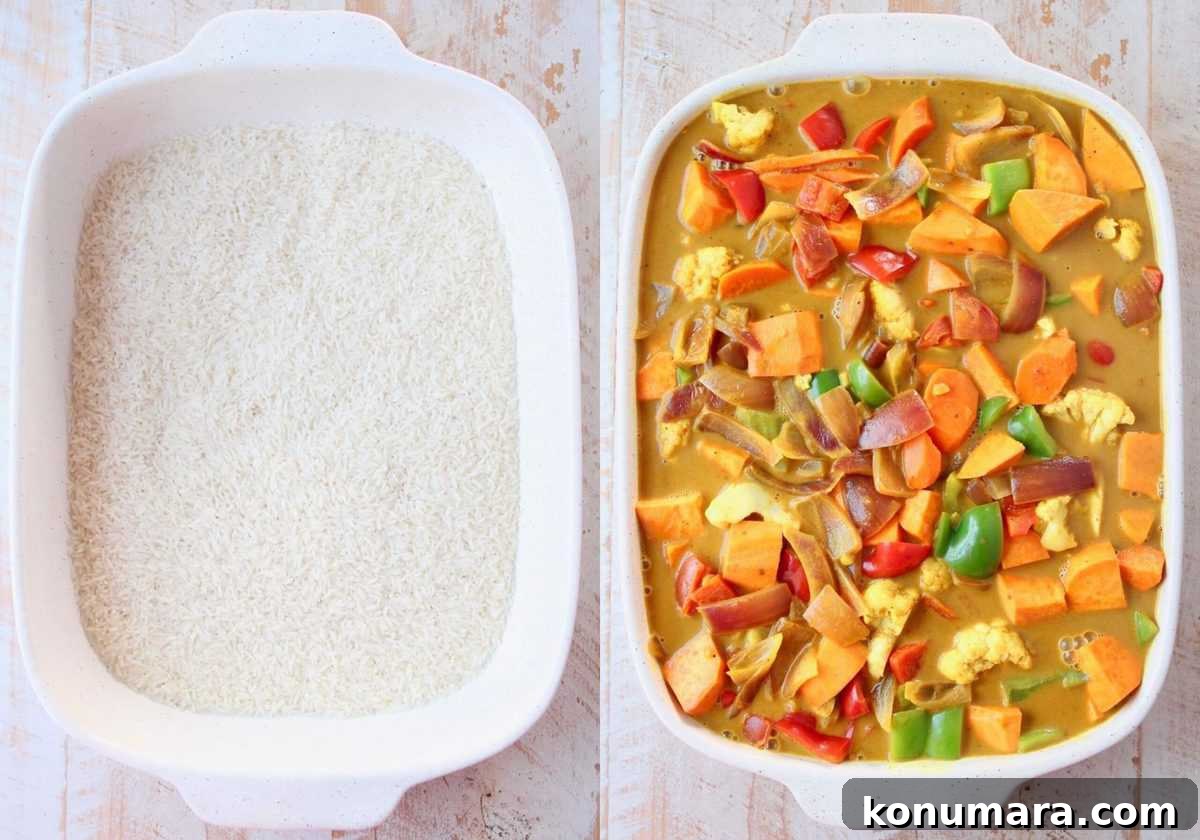
- Assemble the casserole. Spray a 9″ x 13″ baking dish with cooking spray. Spread the uncooked rice evenly across the bottom, then pour the vegetable and curry mixture over the rice.
- Bake. Cover the dish tightly with foil and bake for 40 minutes at 350°F. After baking, carefully remove the foil and let the casserole rest a few minutes before serving.
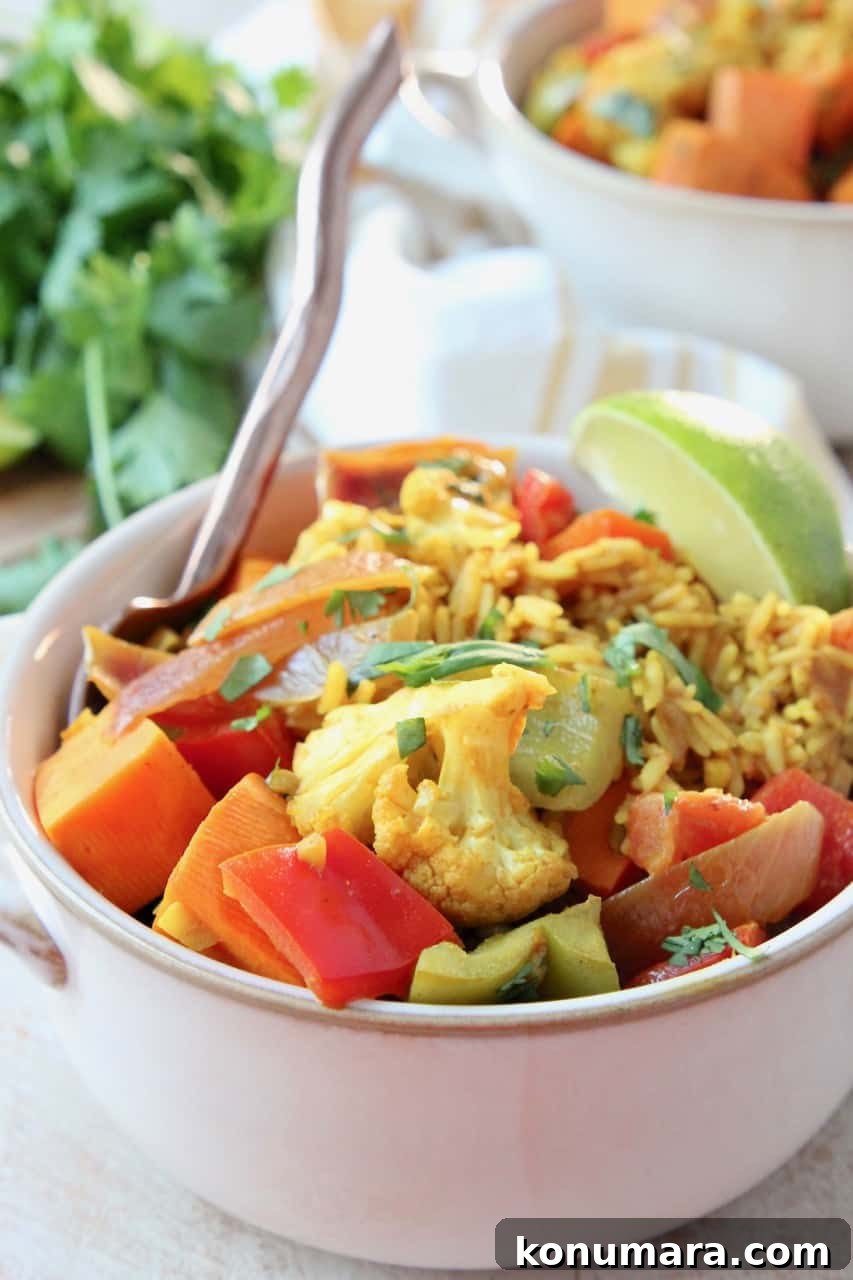
- Serve. Garnish with chopped cilantro, a squeeze of lime and a dollop of yogurt if desired.
Tips and tricks
- Don’t overbake. Forty minutes creates a nice balance: the rice cooks through and the vegetables become tender without turning to mush. Baking significantly longer can over soften the vegetables and make the texture unpleasant.
- Swap or add vegetables. Broccoli florets, diced red potatoes, zucchini slices or cubed butternut squash make great substitutes or additions. Aim for roughly 12 cups total chopped vegetables so the casserole retains the right balance of rice to vegetables.
- Adjust heat. The recipe is mild by default. To increase heat, add more cayenne, or include fresh diced chiles such as jalapeño, serrano or Thai chiles to taste.
- Assemble ahead. You can prepare the curry sauce and toss in the vegetables up to two days in advance. Refrigerate the covered mixture, then when ready to bake, spread uncooked rice in the dish, top with the curry vegetables and bake as directed.
- Storage & reheating. Leftovers will keep in the refrigerator for up to one week. Reheat portions covered in the microwave for about 2 minutes, or warm gently in a covered oven-safe dish.
- Serving suggestions. The casserole is delicious on its own or served with warm naan or flatbread. A squeeze of lime and a sprinkle of fresh cilantro brighten the flavors, and a spoonful of yogurt adds cooling creaminess.
More curry ideas to try
- Thai yellow curry
- Indian butter cauliflower curry
- Vegetarian Massaman curry noodles
- Indian curry chicken tacos
- Asian lamb meatballs in green curry sauce
- Red curry shrimp
- Palak Paneer (Indian spinach curry with cheese)
Recipe details
Name: Vegetable Curry Casserole
Servings: 8 people
Prep time: 30 minutes
Cook time: 40 minutes
Total time: about 1 hour 10 minutes
Author credit: Whitney Bond (original recipe)
Notes
- Vegetable substitutions: This dish is forgiving—add, remove or swap vegetables based on availability. Keep the total volume of vegetables near 12 cups for best results.
- Make it spicier: Increase cayenne to taste or add a chopped spicy pepper while sautéing the aromatics.
- Leftovers: Refrigerate for up to one week; reheat covered for 2 minutes in the microwave or in a warm oven until steaming.
Nutrition (approximate per serving)
- Calories: 446 kcal
- Carbohydrates: 84 g
- Protein: 8 g
- Fat: 9 g (Saturated fat: 5 g)
- Sodium: 293 mg
- Potassium: 923 mg
- Fiber: 9 g
- Sugar: 17 g
- Vitamin A: high (from sweet potatoes and carrots)
- Vitamin C: high (from peppers, tomatoes and cauliflower)