
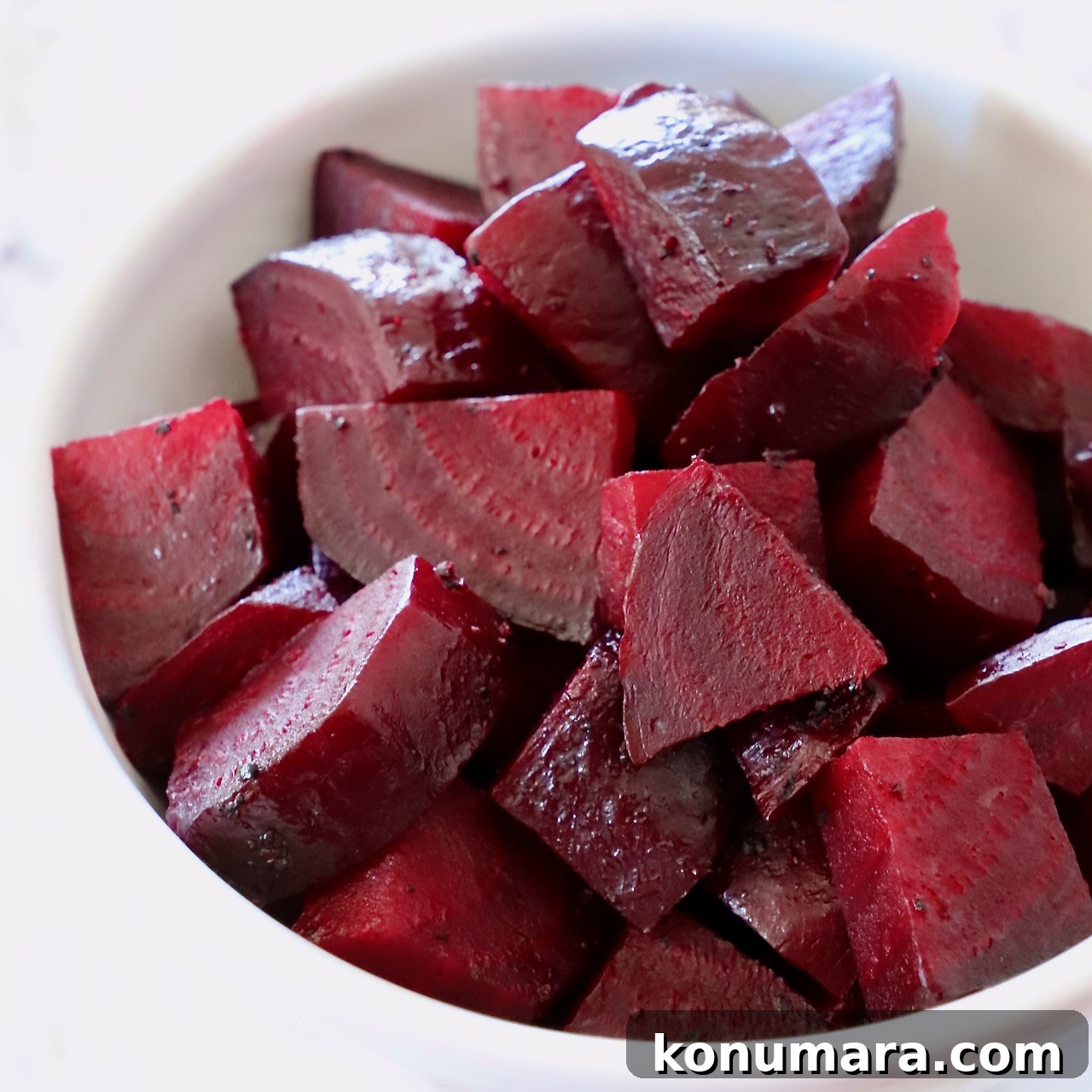
Learn how to cook beets three simple ways with this step-by-step guide. Whether you prefer roasted, steamed, or boiled beets, these tested methods will give you tender, flavorful beets every time.
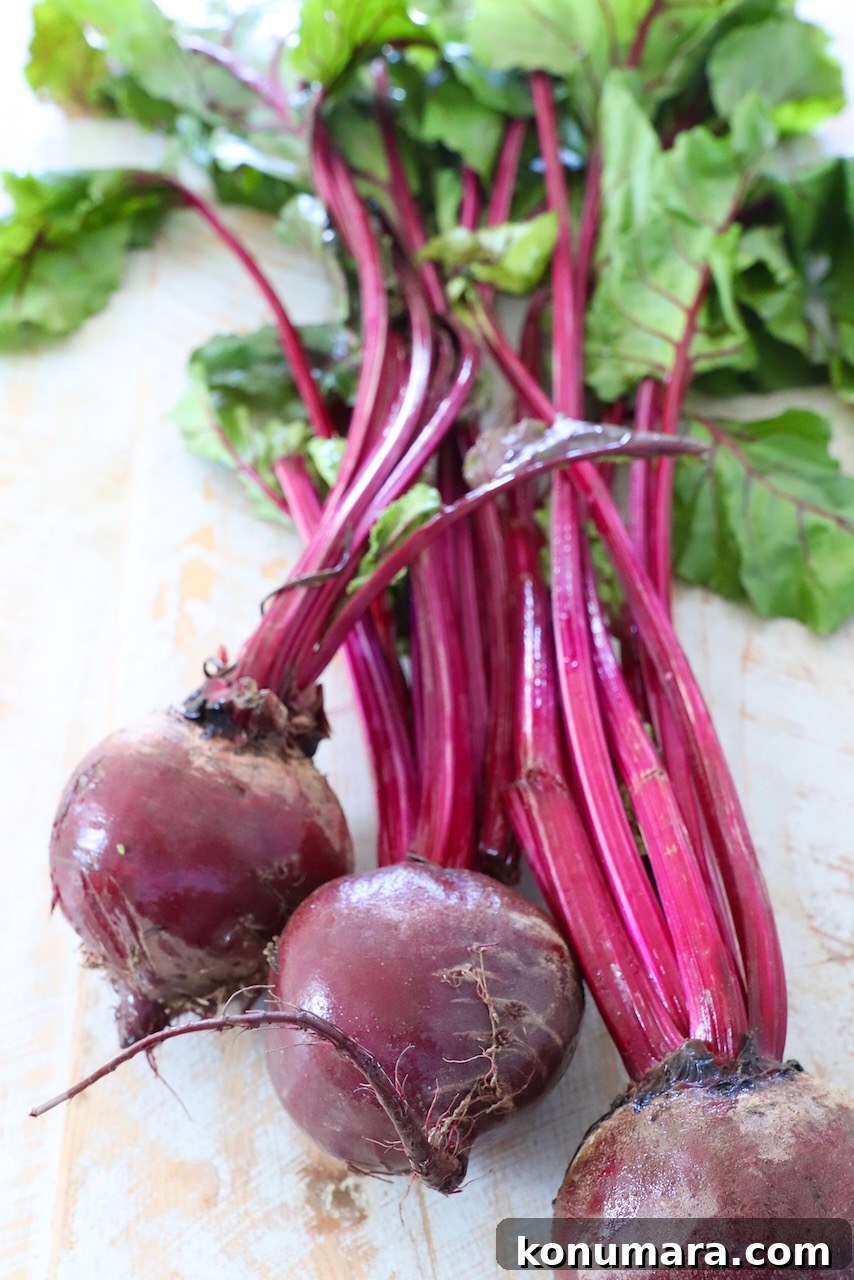
Table of contents
- How to roast beets
- How to steam beets
- How to boil beets
- What’s the best way to cook beets?
- Pro tips
- Ways to use cooked beets
- More kitchen tutorials
Beets are a versatile and nutritious root vegetable—great in salads, bowls, soups, dips, or as a simple side. Below are three reliable cooking methods so you can choose the texture and flavor that best suits your recipe: roasting for caramelized sweetness, steaming for gentle cooking and color retention, or boiling for soft, easy-to-puree beets.
How to roast beets
Roasting accentuates beets’ natural sweetness and adds a pleasant depth of flavor. Roasted beets are especially good for salads, grain bowls, and side dishes.
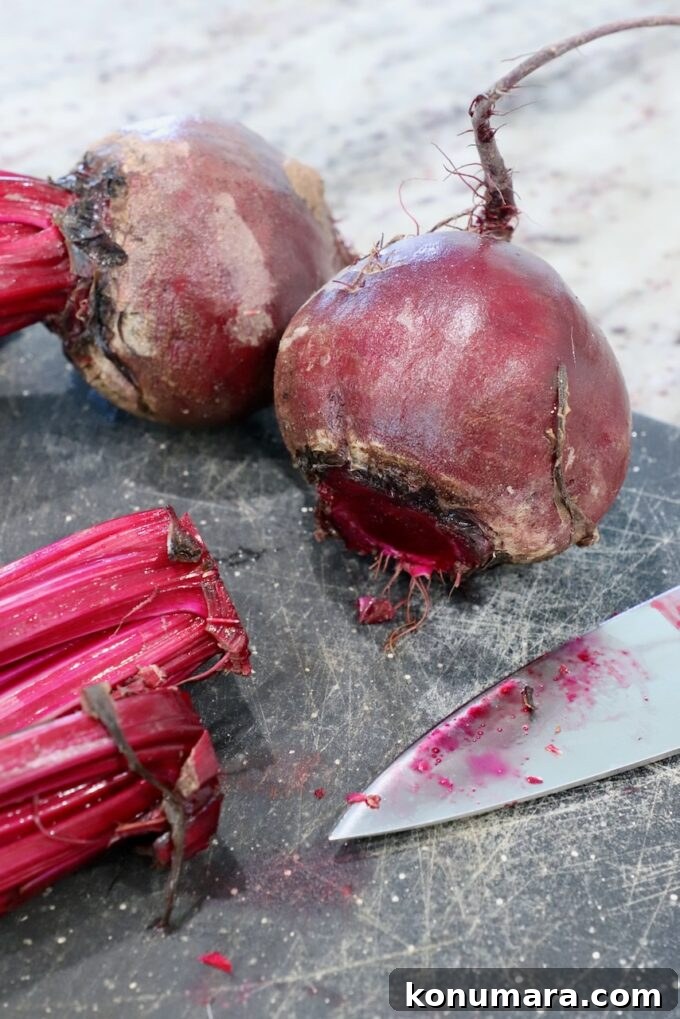
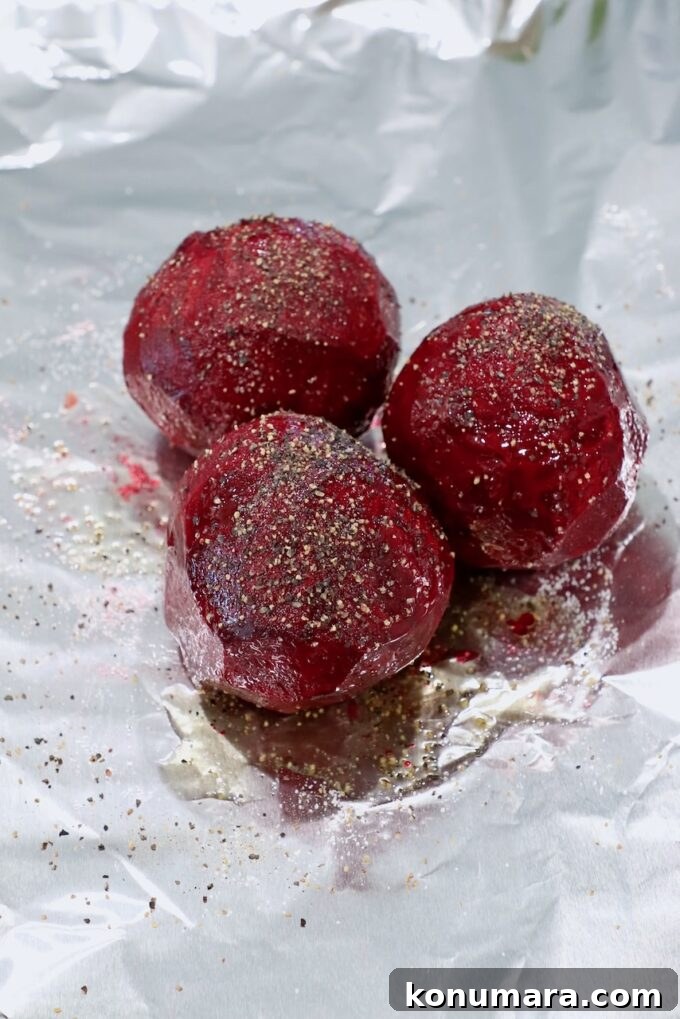
- Prepare: Preheat oven to 400°F (205°C). Trim stems and greens, saving the greens if you plan to cook them separately.
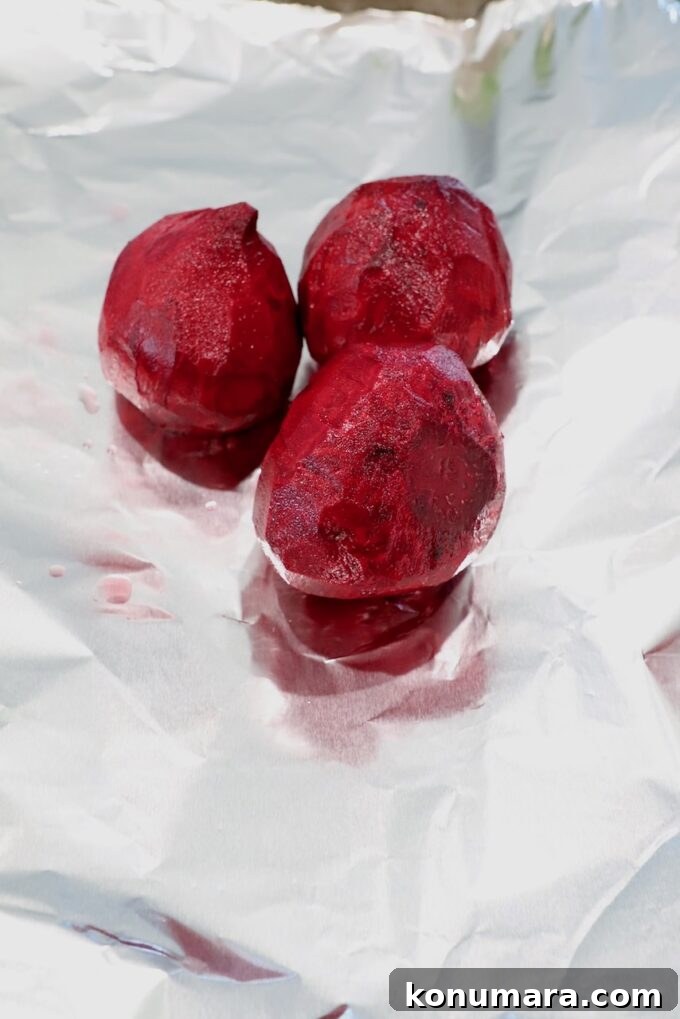
- Peel (optional): For the best seasoning penetration, peel beets with a vegetable peeler before roasting. If you prefer, you can roast whole with skins on and peel after cooking.
- Season: Place beets on a large sheet of aluminum foil, drizzle with olive oil (about 2 teaspoons per pound), and season with salt and pepper. Add herbs or spices if desired.
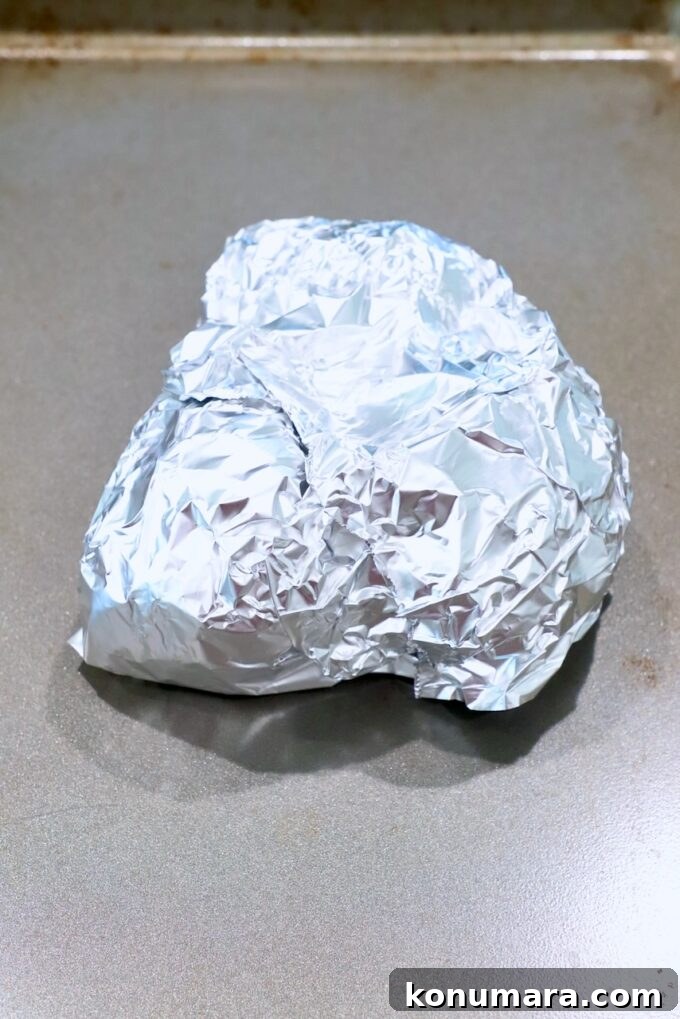
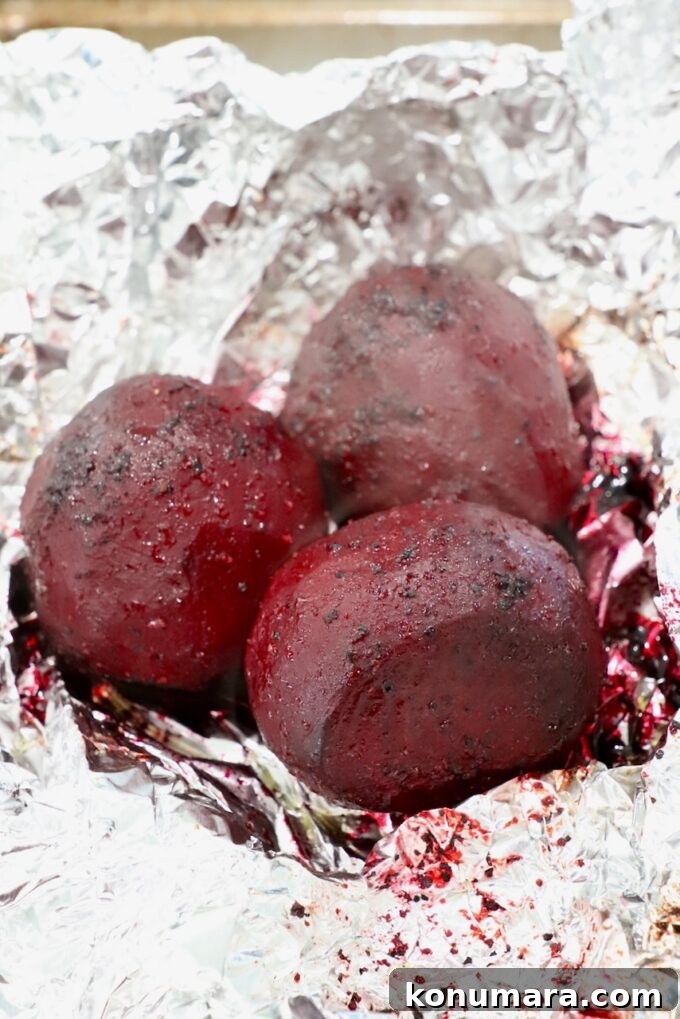
- Wrap and roast: Seal the foil and place on a baking sheet. Roast for about 60 minutes for medium-to-large beets (~1/3 lb each). Smaller beets may be done in 40 minutes—check by piercing with a fork.
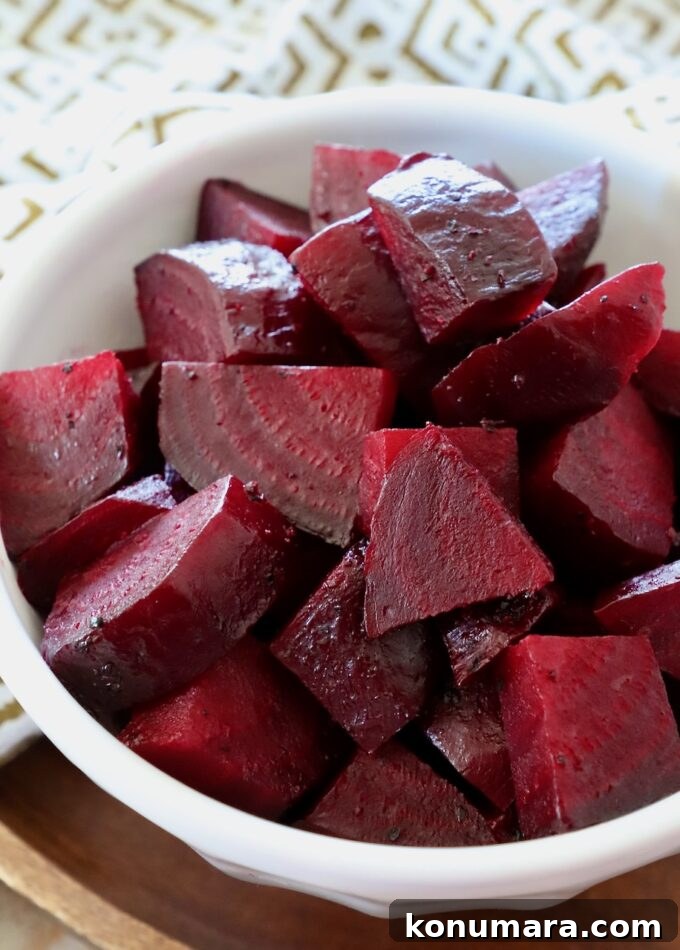
- Cool and finish: Unwrap, allow to cool, then peel if you roasted with skins on. Slice or dice as needed. Store in an airtight container in the refrigerator for up to 7 days.
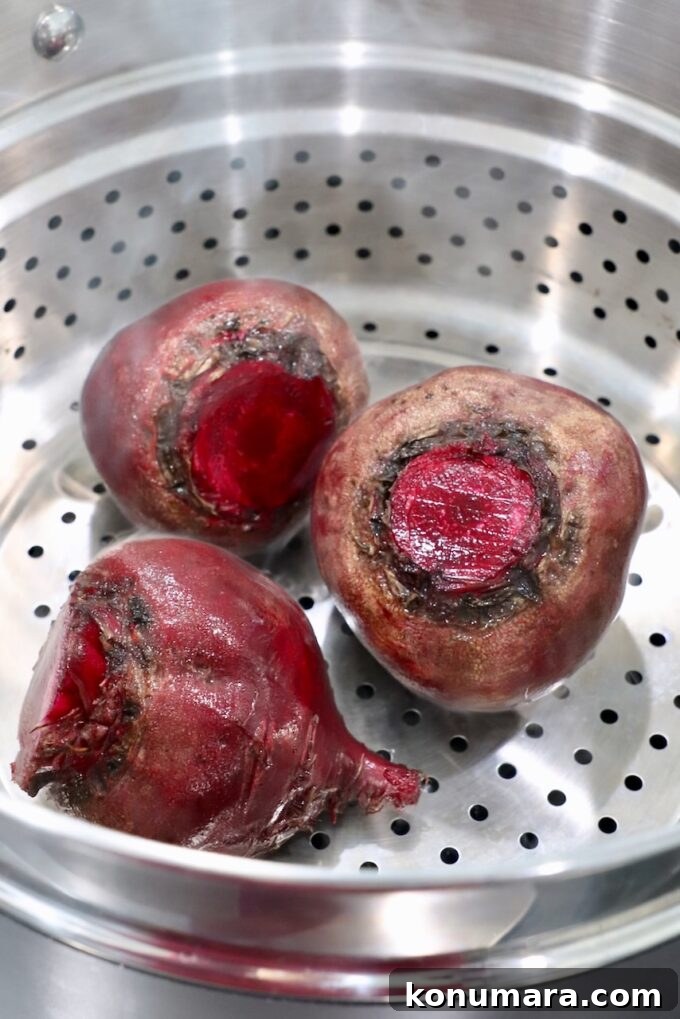
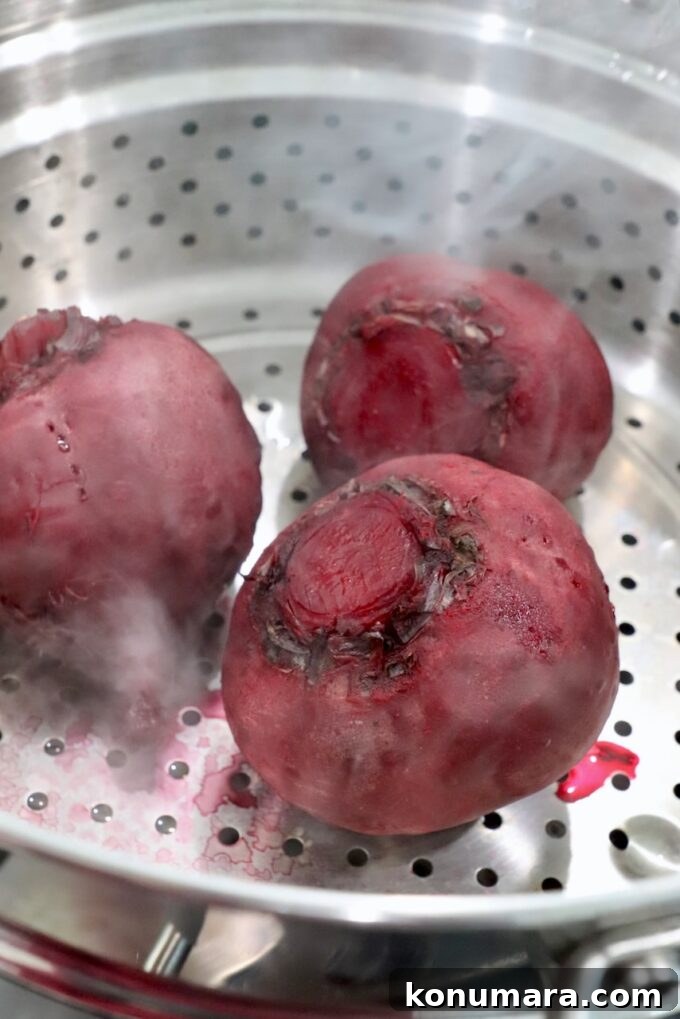
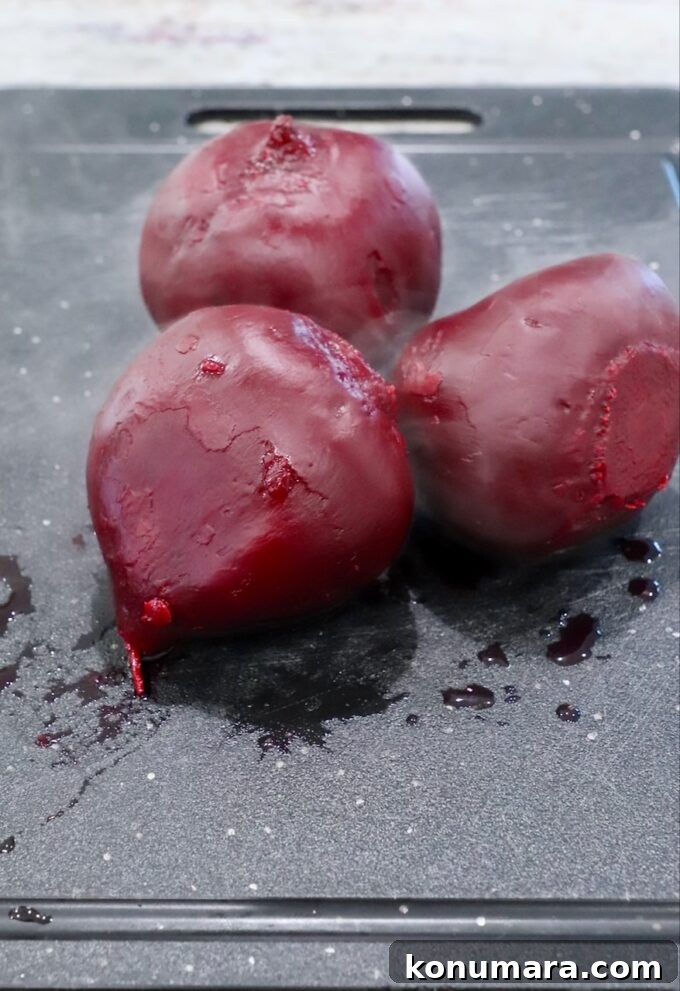
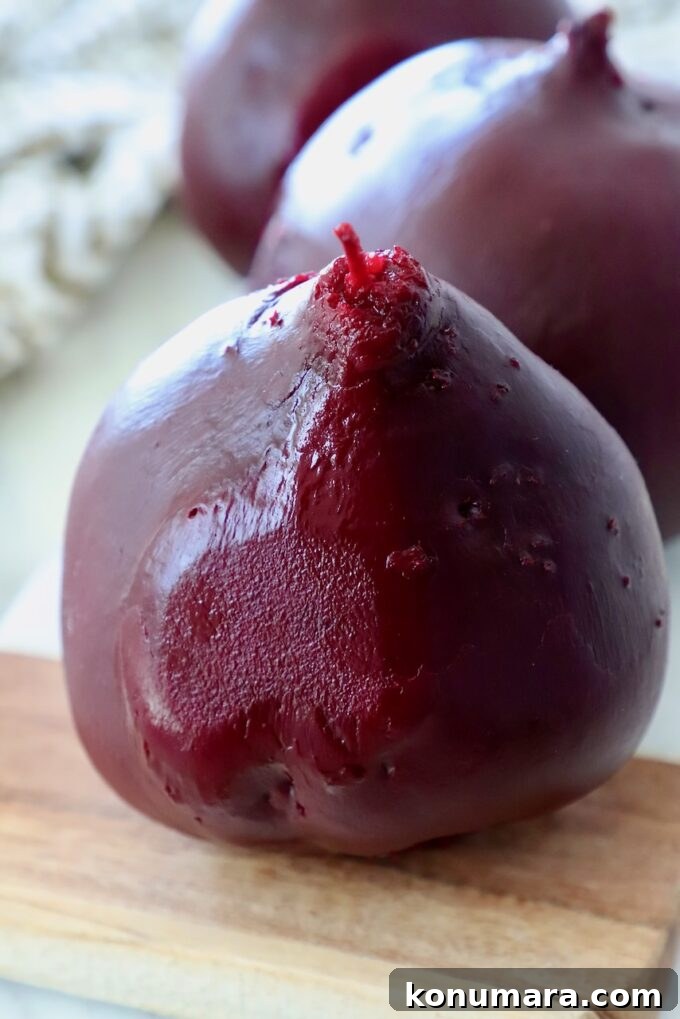
How to steam beets
Steaming is a gentle method that preserves color and nutrients. Steamed beets are great when you want a tender texture without losing vibrant color.
- Setup: Add about 2 inches of water to a large pot and bring to a boil. Place cleaned beets (trimmed of stems and greens) into a steamer basket above the water—do not let them touch the water.
- Steam: Cover and steam on high for 30–40 minutes, depending on size. After 30 minutes, test with a fork: if it slides in easily, the beets are done.
- Peel and cool: Remove with tongs, rinse under cold water, and slip the skins off with your hands. Cool on a cutting board, then slice, dice, or store refrigerated for up to 7 days.
How to boil beets
Boiling is simple and quick when you don’t have a steamer. Boiled beets are ideal for purees, dips, or recipes that call for very soft beets.
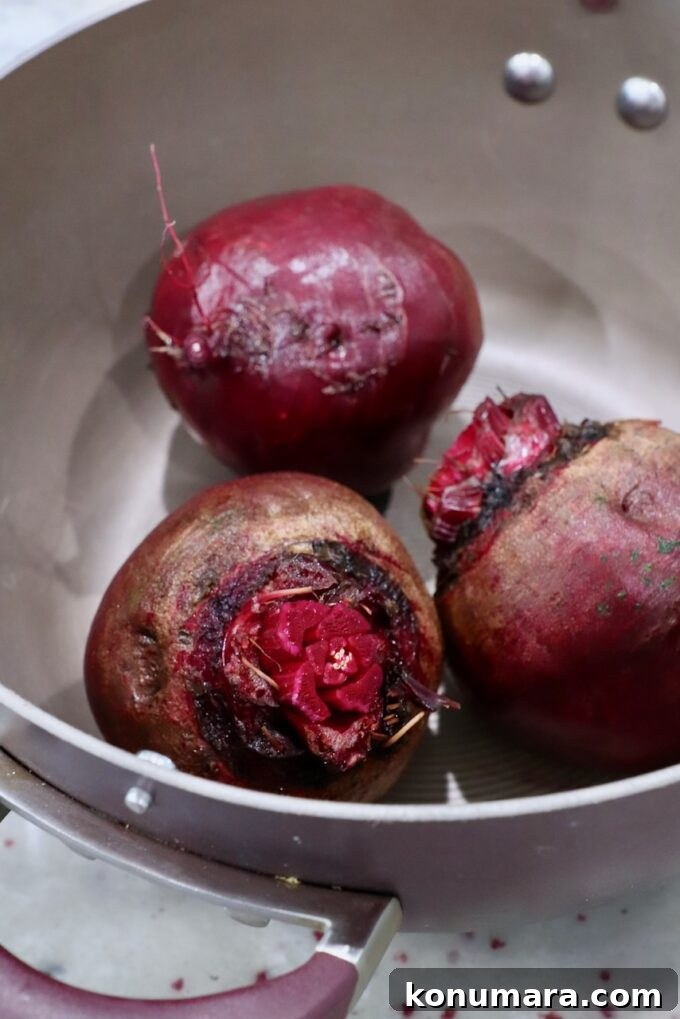
- Trim and clean: Trim stems and greens, scrub beets, and place them in a large pot.
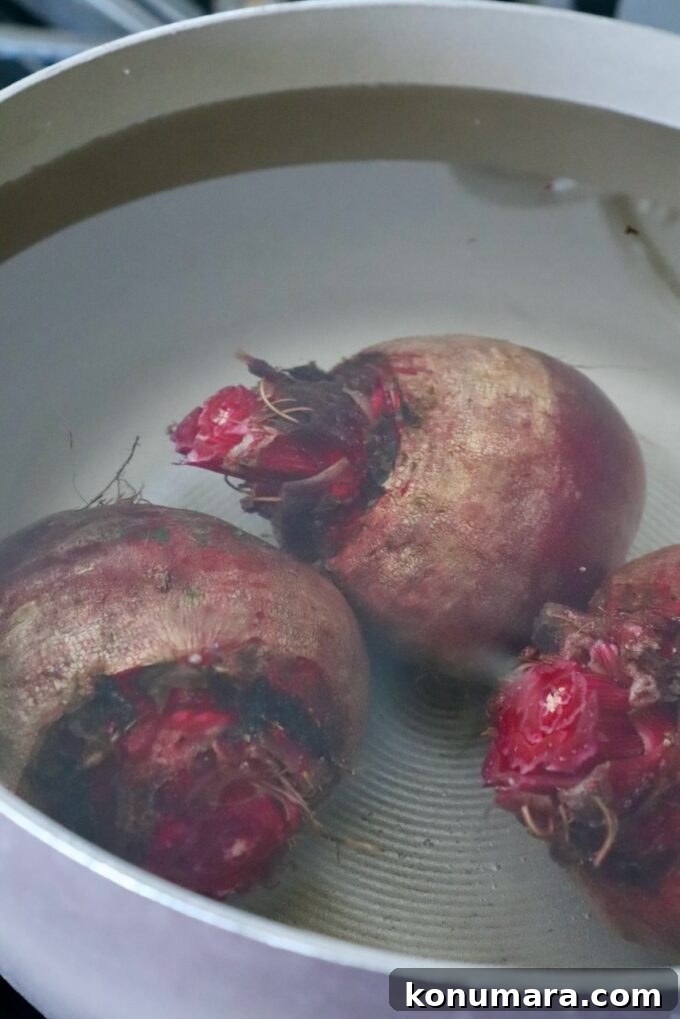
- Add vinegar and salt: Pour in 1/4 cup distilled white vinegar and 1 teaspoon salt, then add enough water to cover the beets. Vinegar helps preserve color.
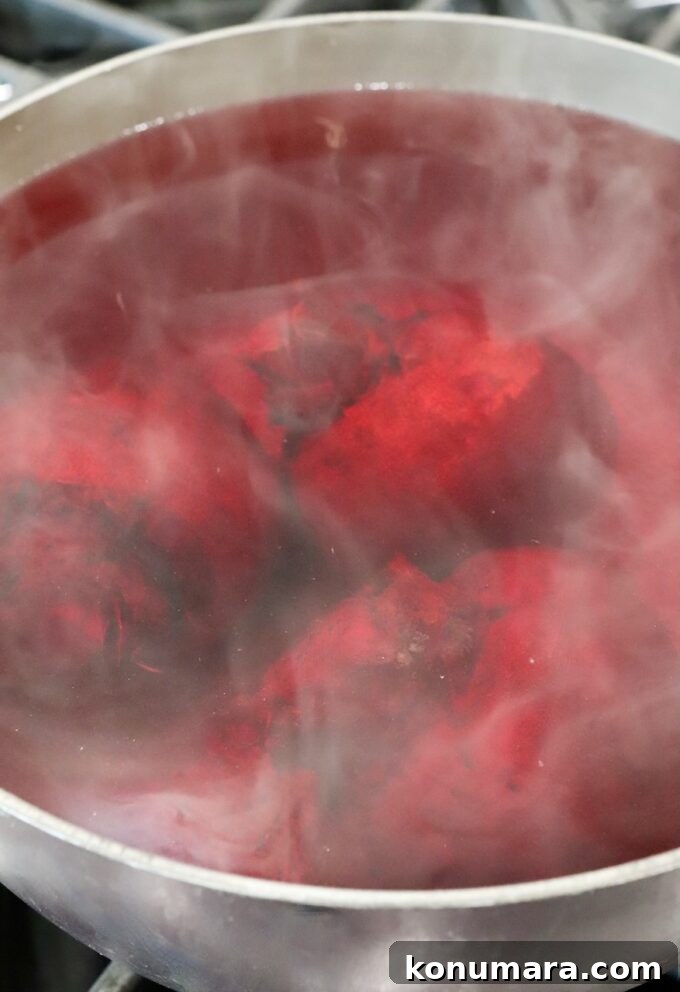
- Simmer: Bring to a boil, reduce to a simmer, and cook about 40 minutes or until fork tender. Test by piercing the largest beet with a fork.
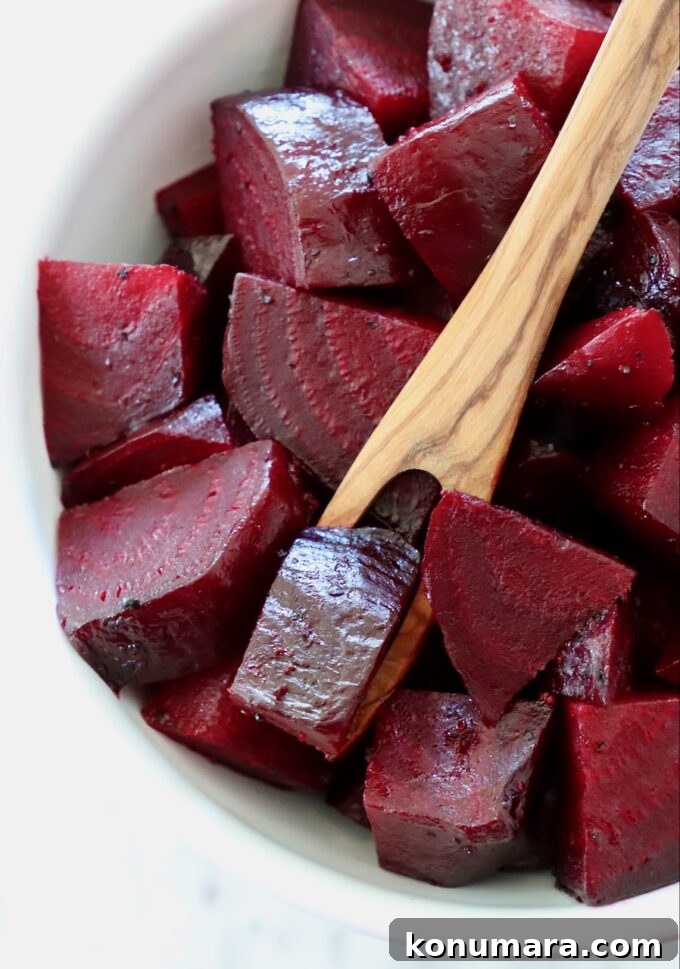
- Cool and peel: Remove beets, rinse under cold water, peel by hand, let cool, and slice or store for up to 7 days in the refrigerator.
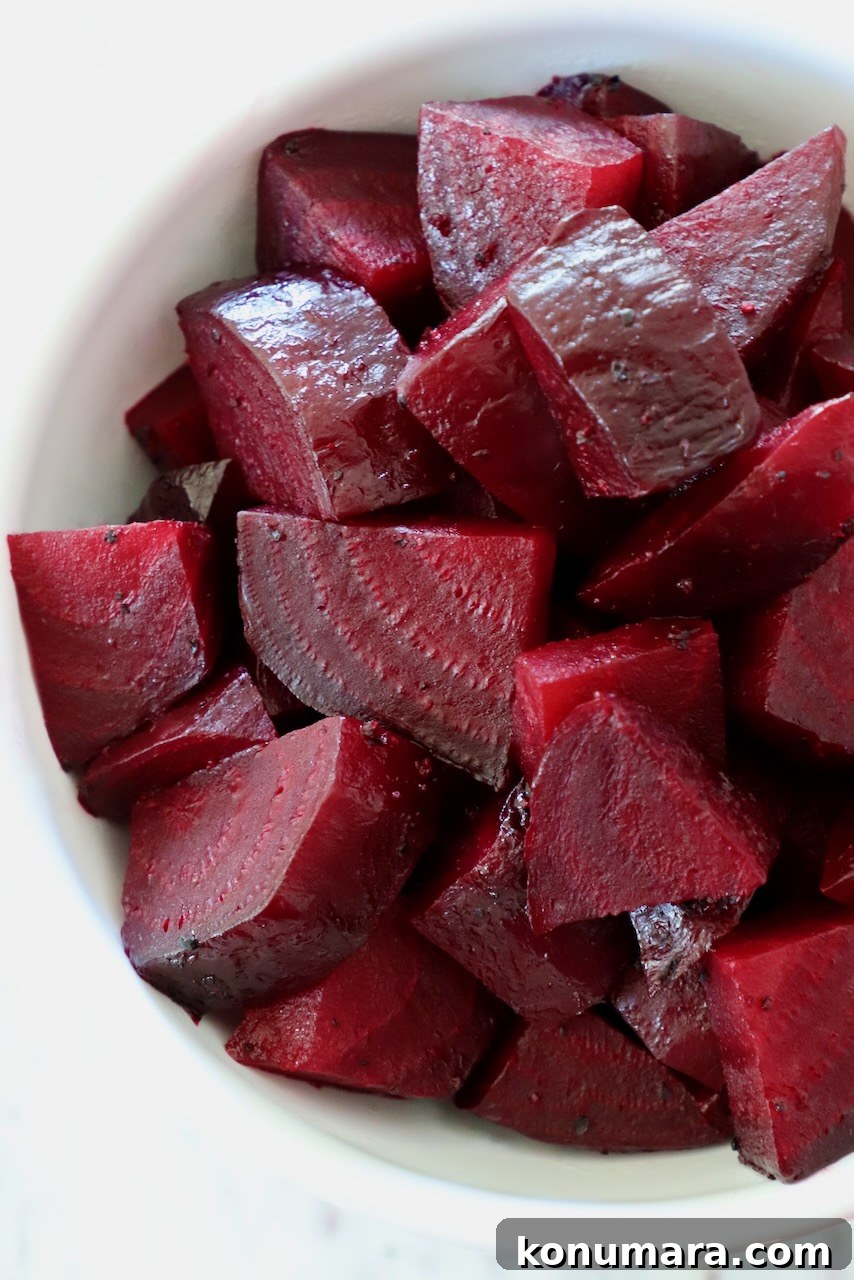
What’s the best way to cook beets?
- Best taste: Roasting brings out the richest, sweetest flavor. Olive oil and seasonings enhance the caramelization.
- Best texture: Boiling produces the softest beets; roasting leaves a slight bite; steaming falls in between. Choose based on whether you’ll eat them whole, slice them, or puree them.
- Best overall: For maximum flavor in salads and sides, roast. For purées, dips, or preserved color, steam or boil.
All three methods are reliable—follow the timing and fork-test tips for consistent, tender results.
Pro tips
- Peel before roasting for better seasoning absorption; peel after steaming or boiling by hand to preserve color during cooking.
- Wear disposable gloves when handling beets to avoid temporary staining on hands.
- Cook beets that are similar in size together for even doneness.
- If combining different colored beets and you want to keep colors distinct, cook them separately.
- Cooked beets freeze well for up to 3 months—cool completely, then freeze in vacuum-sealed bags or freezer-safe containers.
- Always check the largest beet with a fork before finishing; an easy fork glide means they’re done.
Ways to use cooked beets
Roasted, steamed, or boiled beets can be used interchangeably in many dishes. Here are popular uses and the recommended method for each:
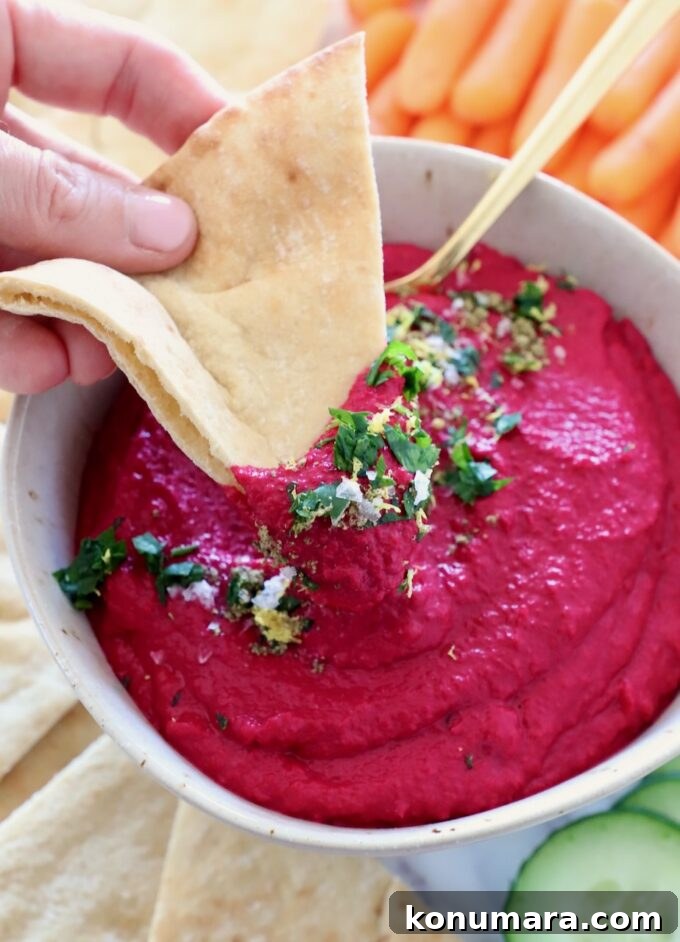
- Beet hummus — steam or boil for a smooth texture; roasted adds deeper flavor.
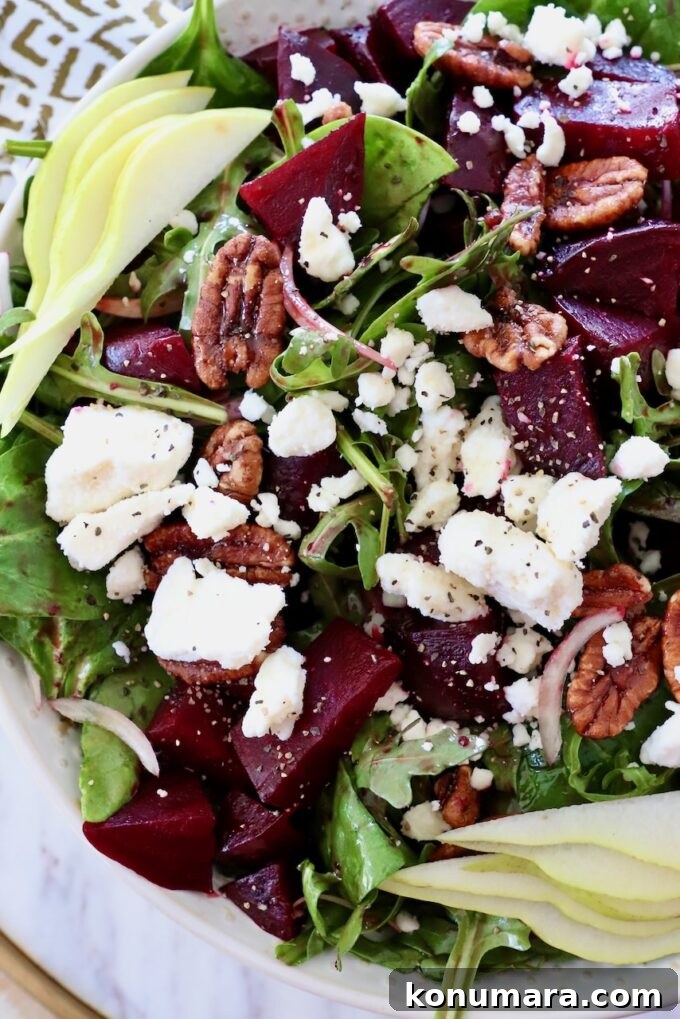
- Beet salads and bowls — roasted is preferred for caramelized flavor; steamed works for a lighter profile.
- Pickled beets — steam first for better texture retention.
- Beet tart, bruschetta, or composed salads — slice roasted beets for best presentation and taste.
- Pasta salads and grain bowls — roasted or steamed beets both work well.
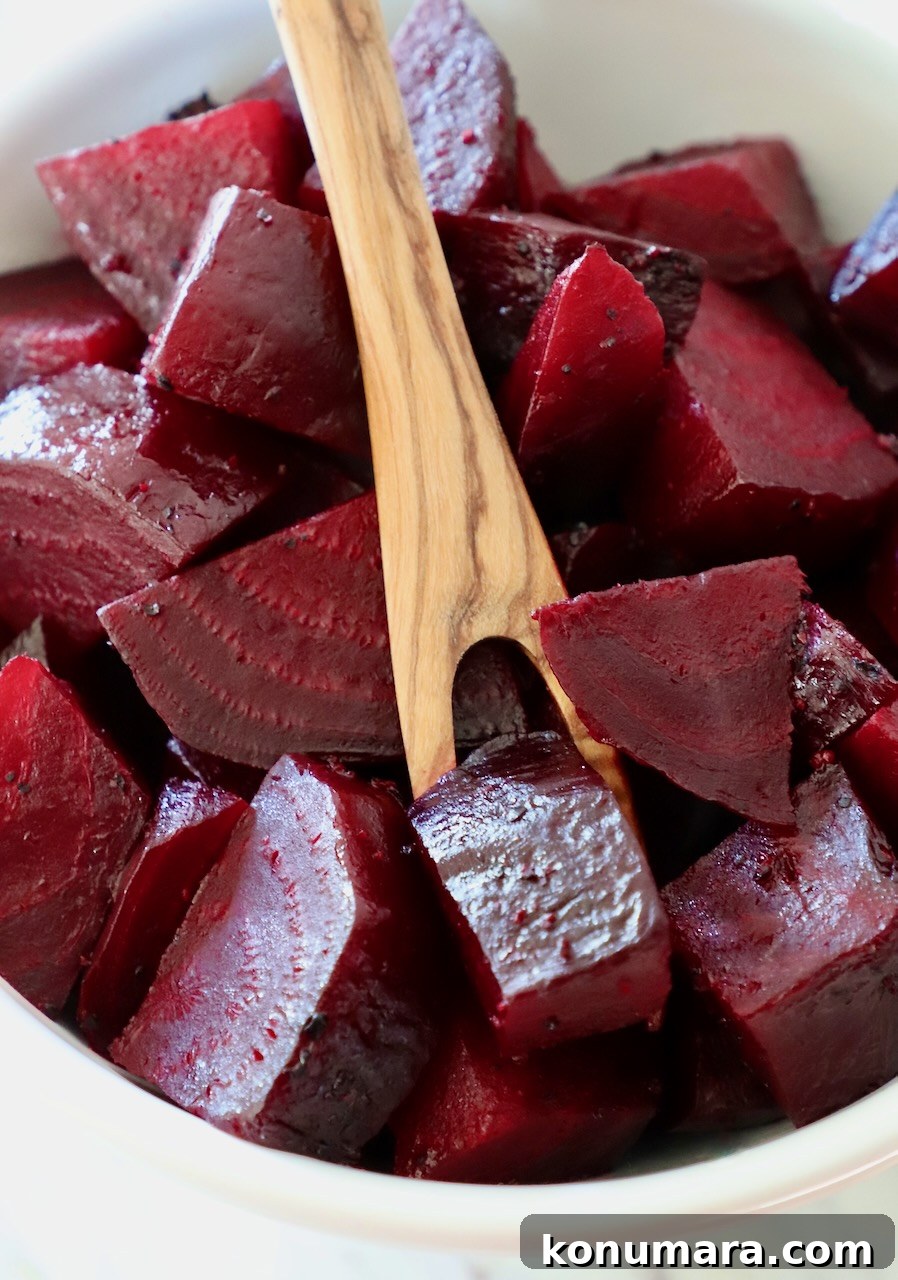
- Serve as a simple side — toss warm roasted beets with lemon juice, herbs, or flavored oil for an easy accompaniment.
Cooked beets are a nutritious, colorful addition to many meals—experiment to find your favorite preparations.
More kitchen tutorials
Want to expand your kitchen skills? Try other quick how-to guides like steaming broccoli, cooking sweet potatoes, or caramelizing onions to build a practical set of cooking techniques.
How To Steam Broccoli

How To Cook Sweet Potatoes

How To Cook Acorn Squash
Simple recipe summary: One-pound batch
Yield: 1 pound cooked beets (about 3 medium beets). Prep time: 5 minutes. Cook time: 40–60 minutes depending on method and size.
Ingredients
- 1 pound beets
- For roasting: 2 tsp olive oil, 1/2 tsp salt, 1/2 tsp black pepper
- For boiling: 1/4 cup distilled white vinegar, 1 tsp salt (optional)
Storage and freezing
Refrigerate cooked beets in an airtight container for up to 7 days. Freeze cooled beets for up to 3 months in freezer-safe bags or vacuum-sealed packs.
Follow these clear, easy techniques the next time you want to cook beets. Whether you roast for flavor, steam for color, or boil for softness, you’ll have consistently delicious results.