
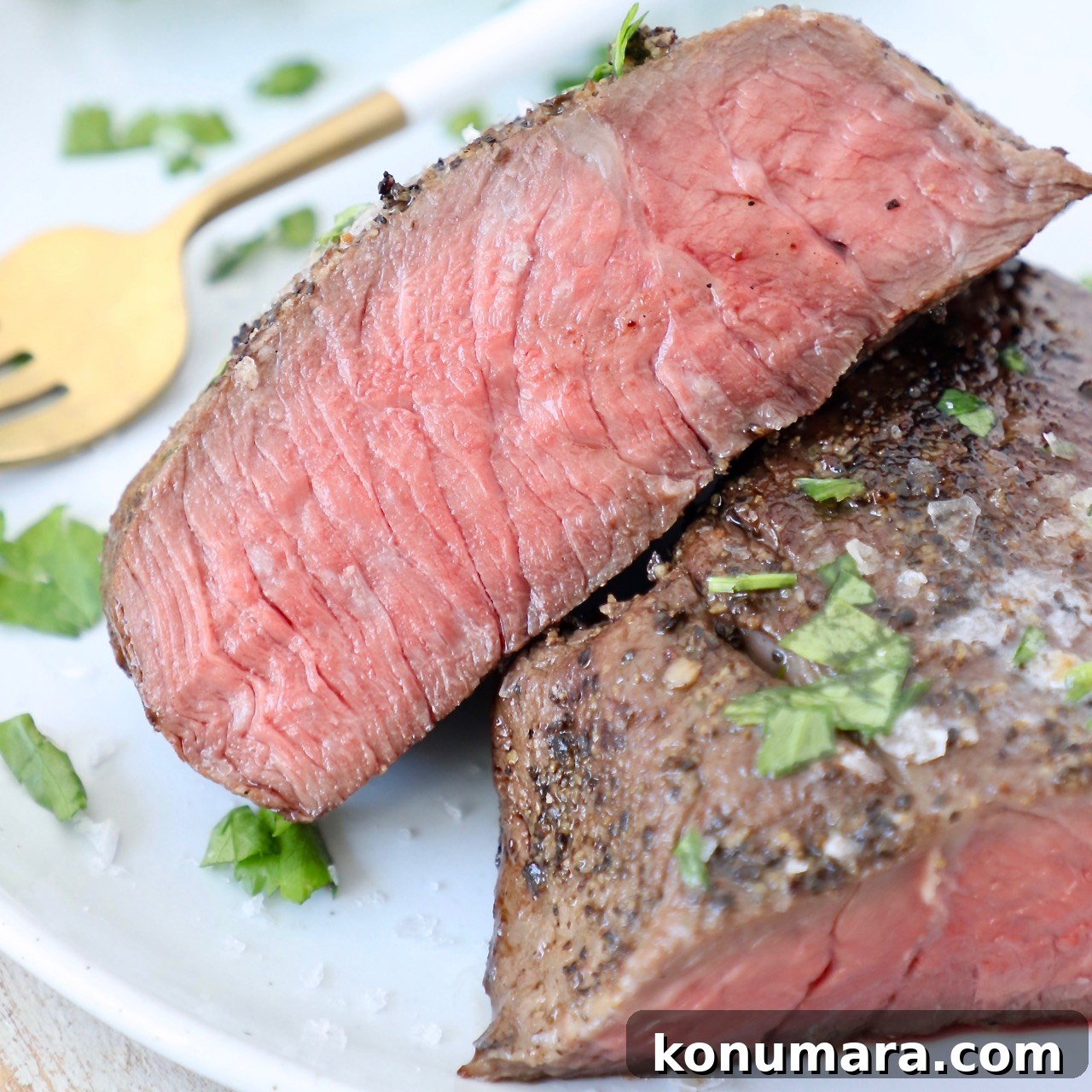
With just 5 minutes of prep, this Sous Vide Steak recipe delivers tender, evenly cooked steaks with minimal effort—perfect for beginners and experienced sous vide cooks alike. Use fresh or frozen steaks, season with rosemary and garlic, seal in bags, cook in a temperature-controlled water bath, then finish with a quick sear for a perfect crust.
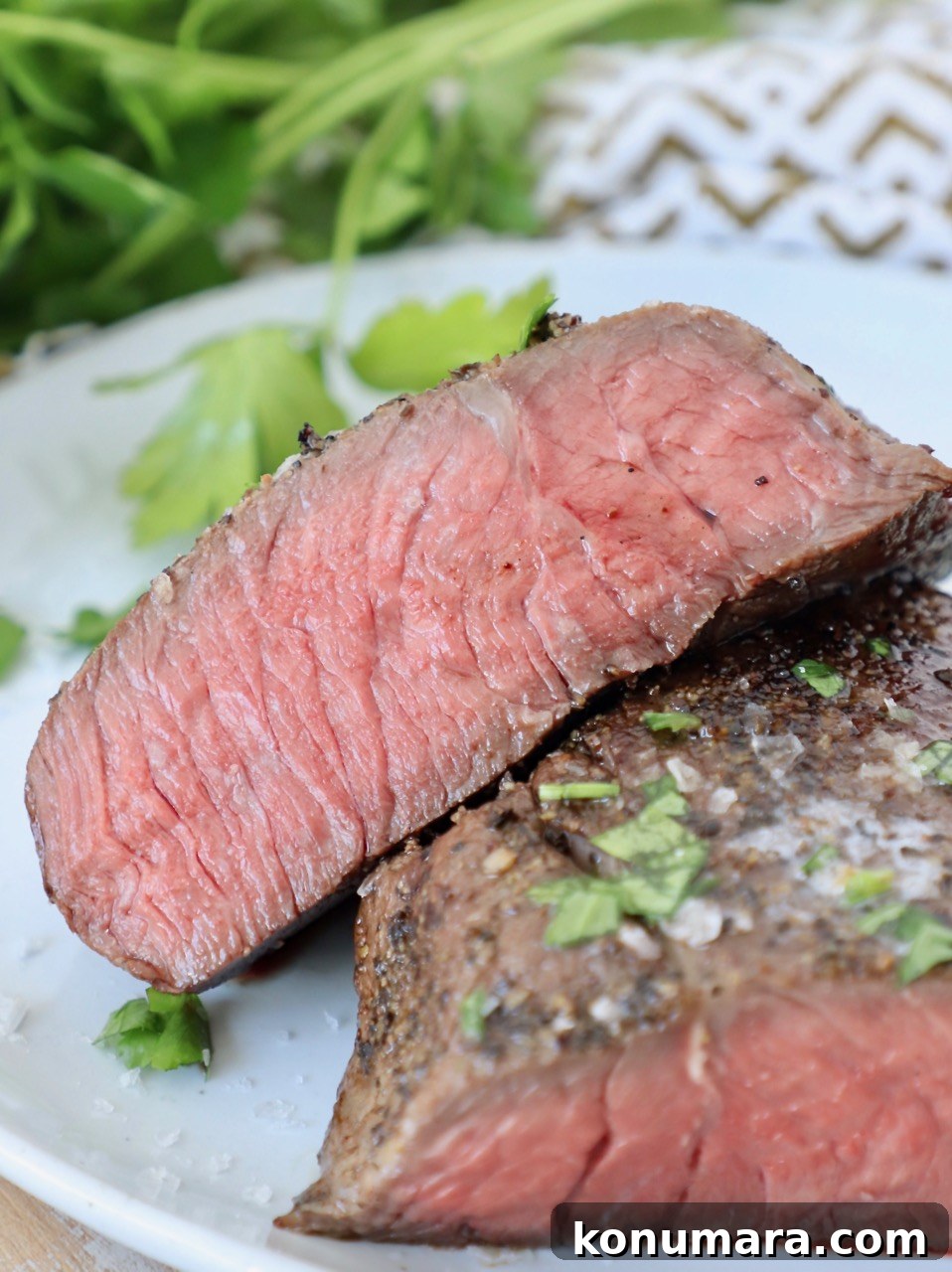
Table of contents
- Ingredients
- Step by step instructions
- Frequently asked questions
- Time & temperature guide
- What to serve with the steaks
- Tools and pantry items needed
- More sous vide recipes
Want a cooking technique that produces the most delicious, tender, and perfectly cooked steaks every time? Sous vide is the answer. It’s essentially set-and-forget precision cooking: seal seasoned steaks in airtight bags, immerse them in a temperature-controlled water bath, and cook until they reach the exact doneness you want. A quick sear at the end creates a flavorful crust while keeping the interior evenly cooked.
I bought my first sous vide unit in 2016 and quickly became hooked. Whether you’re new to sous vide or have used it for years, the method below uses tested techniques to deliver reliably juicy steaks with minimal effort.
Ingredients
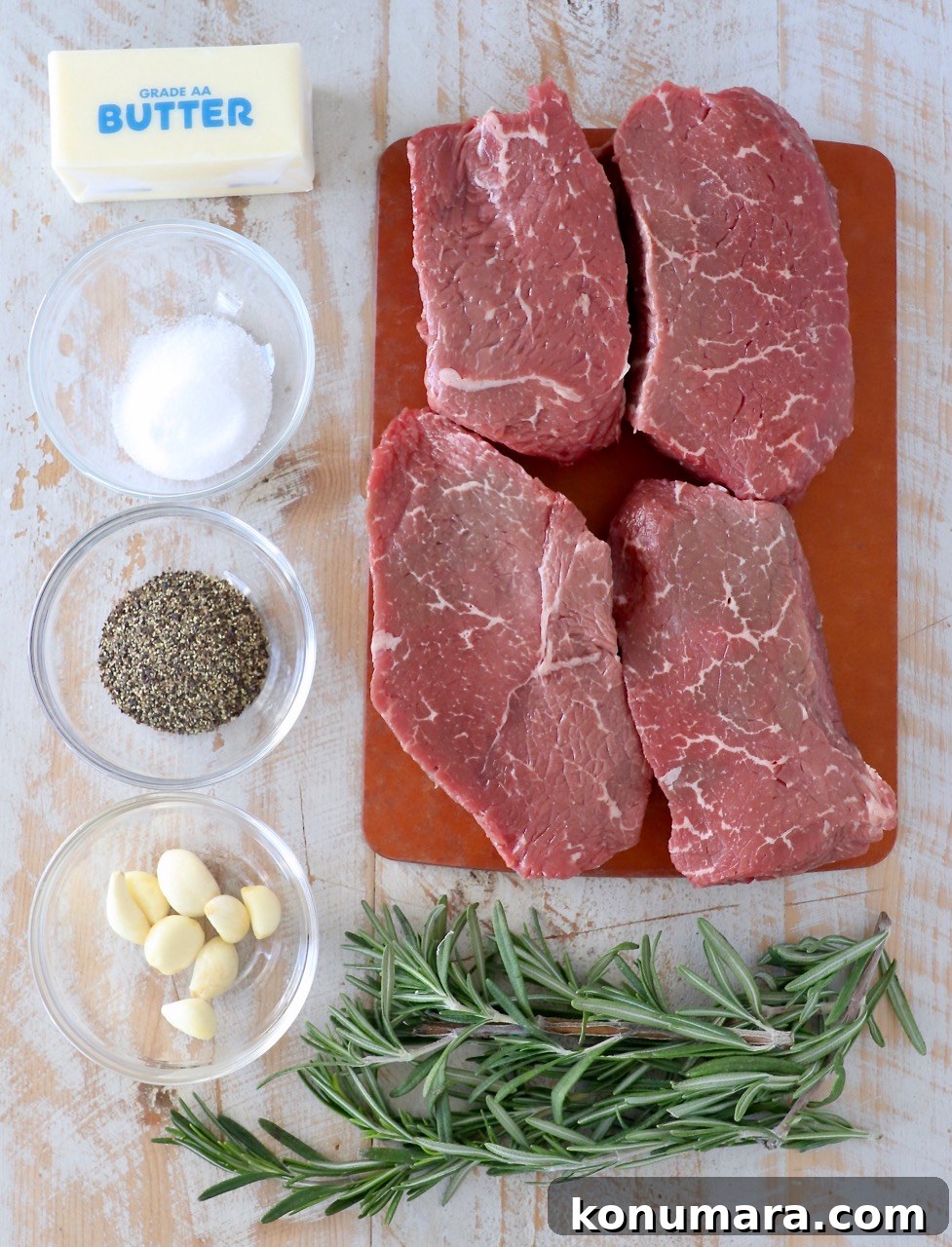
- Steaks: Top sirloin is used here, but filet mignon, skirt, New York strip, ribeye and others work well. For sirloin, filet or ribeye, a 2-inch-thick steak is ideal to achieve a uniform medium-rare interior.
- Fresh rosemary: Any fresh herb—thyme, parsley or bay leaves—can be substituted as aromatics.
- Black pepper
- Salt
- Fresh garlic cloves, crushed
- Butter or olive oil—for searing and finishing
Step by step instructions
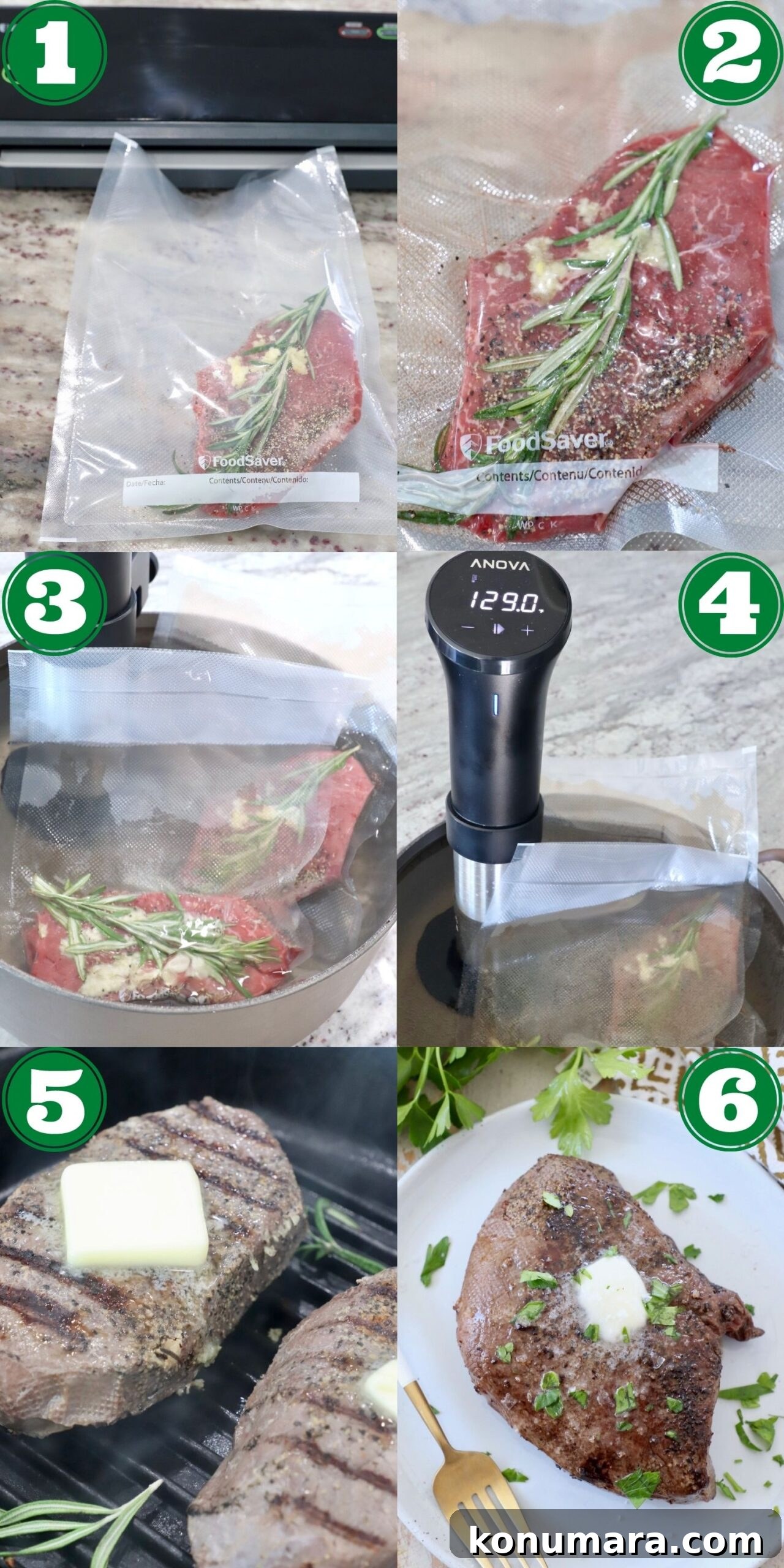
- Fill a large container or pot with water and attach your sous vide circulator. Preheat to 129°F (54°C) for medium-rare (adjust temperature per the chart below for other doneness levels).
- Place each steak into its own resealable bag or vacuum-seal bag. Add one sprig of fresh rosemary, ½ teaspoon black pepper, ½ teaspoon salt and two crushed garlic cloves to each bag.
- If using a vacuum sealer, seal the bag. If not, use the water displacement method: lower the open bag into the water so water pressure pushes air out, then seal the bag just above the water line.
- Submerge the sealed bags in the preheated water bath. Properly sealed bags should sink. Ensure steaks are fully submerged for even cooking.
- Cook for 2 hours for the cuts pictured (adjust time by cut—see timing guidance below).
- When cooking is complete, remove the bags from the bath, open them, and transfer steaks to a plate using tongs.
- Pat steaks dry with paper towels (especially if searing in a skillet) to promote a better crust. Heat a grill, grill pan, torch, or cast iron skillet until very hot.
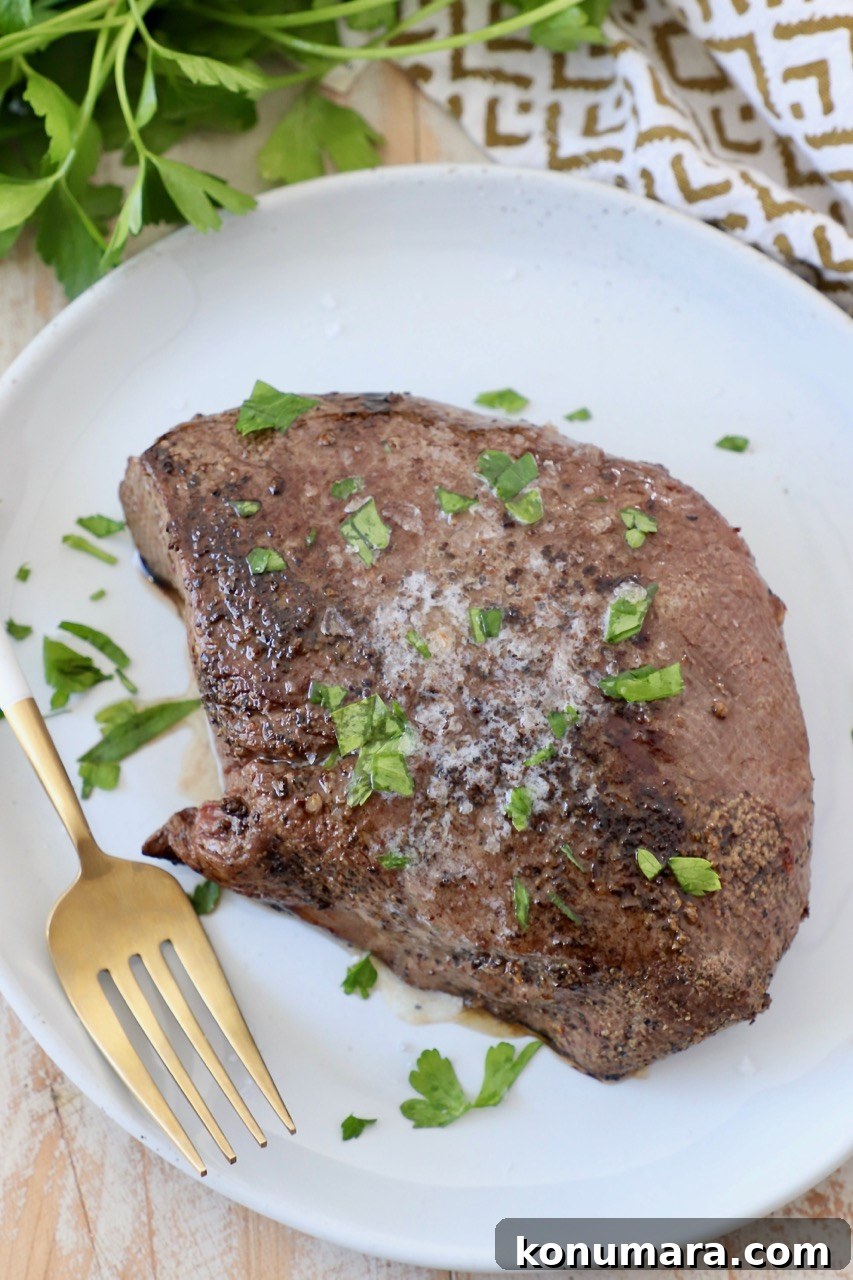
- Sear steaks quickly—about 30 seconds per side—to develop a brown crust without raising the interior temperature. If using a skillet, add butter or olive oil before or after searing; if using a grill, remove and top with a small pat of butter to melt while the steak rests.
- Let steaks rest for 5 minutes before slicing to allow juices to redistribute. Optionally finish with flaky sea salt and chopped fresh parsley.
Frequently asked questions
- What does a sous vide do? Sous vide cooks food sealed in airtight bags in a temperature-controlled water bath. This method produces food that is evenly cooked from edge to edge and is especially effective for meats.
- Is it safe to sous vide in Ziploc bags? Yes. Most high-quality freezer or sous vide–rated zipper bags are suitable because they don’t soften at typical sous vide temperatures (most vacuums operate well below 195°F). If in doubt, use bags labeled as freezer-safe or a vacuum sealer with proper bags.
- Can you sous vide steak from frozen? Yes. You can cook steaks directly from the freezer; add extra time—this recipe recommends a minimum of 2 hours for frozen steaks.
- When should I season a sous vide steak? Season in the bag before cooking, then finish with butter and additional salt after searing if desired.
- Why sear after sous vide? Searing is optional but recommended: it adds flavor, color and texture, creating a caramelized crust while the interior remains perfectly cooked.
Time & temperature guide
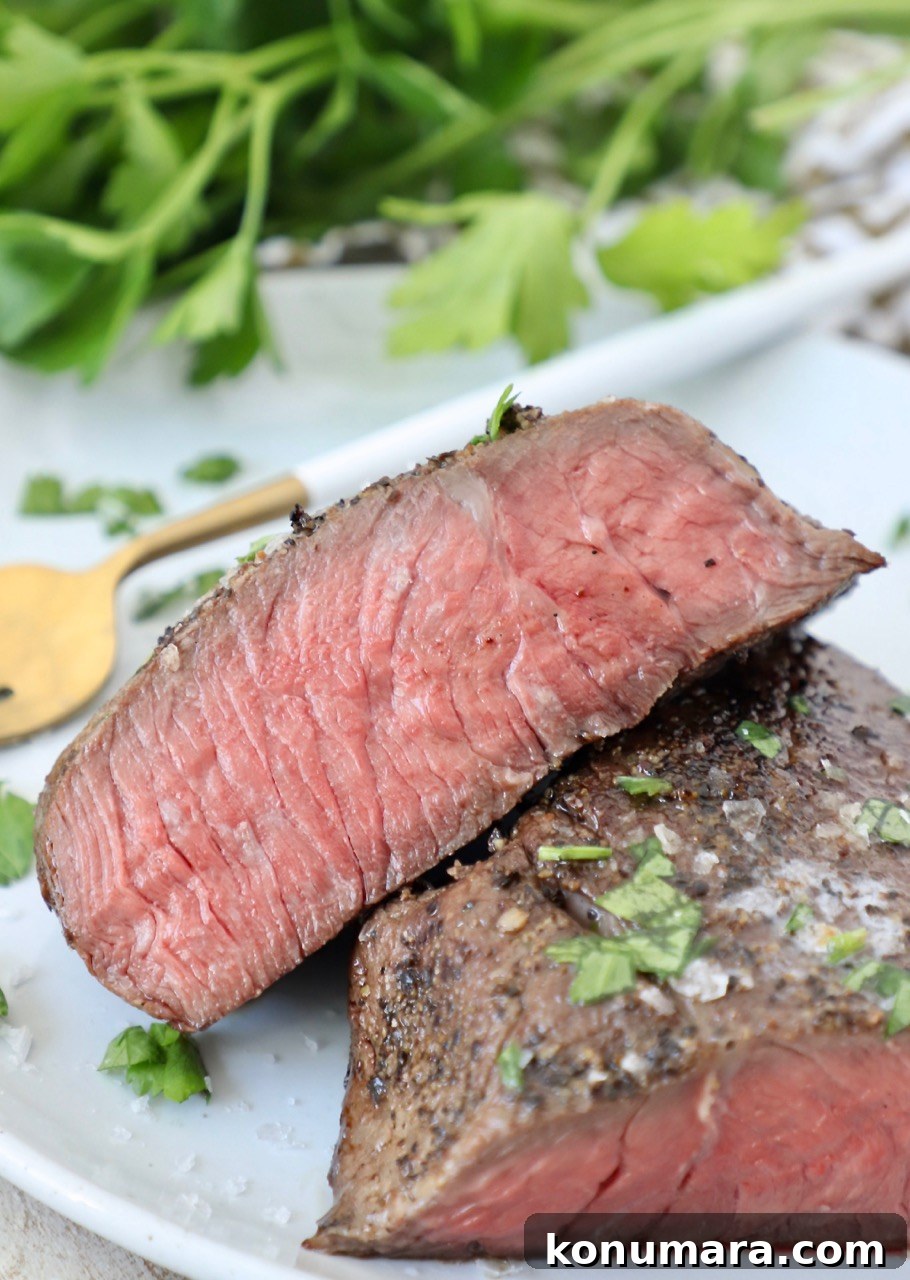
Set your sous vide temperature based on the doneness you want. The steaks shown in this recipe were cooked at 129°F for medium-rare.
- Rare: 120–128°F (49–53°C)
- Medium rare (recommended): 129–134°F (54–57°C)
- Medium: 135–144°F (57–62°C)
- Medium well: 145–155°F (63–68°C)
- Well done: 156–162°F (69–72°C)
Use the timing guidance below as a general rule. Leaner cuts usually need less time, while larger or tougher cuts may benefit from longer cooking to break down connective tissue.
- Sirloin, New York strip, Ribeye: 1 hour to 2½ hours
- Filet mignon: 45 minutes to 2½ hours
- T‑bone: 1 hour to 4 hours
- Skirt or flank: 1 hour to 4 hours
- Tri tip: around 6 hours for tenderization
Because sous vide sets the final internal temperature, you can’t overcook by raising the internal temperature above the bath temperature. However, prolonged cooking can change texture as proteins continue to break down—so follow the recommended ranges for best results.
What to serve with the steaks
Pair these steaks with classic steakhouse sides for a complete meal. Popular options include:
- Mashed potatoes (classic or garlic/herb)
- Crispy smashed potatoes or roasted potatoes
- Sautéed mushrooms or garlic butter mushrooms
- Roasted or grilled vegetables (broccolini, Brussels sprouts)
- Truffle fries
Tools and pantry items needed
Helpful tools and supplies:
- Sous vide circulator and a large pot or container
- Vacuum sealer and bags, or high-quality freezer zipper bags for the water displacement method
- Cast iron skillet, grill, grill pan, or culinary torch for searing
- Paper towels, tongs and a thermometer if you like to spot-check temperatures
- Butter or olive oil for finishing
More sous vide recipes
If you enjoy sous vide cooking, consider trying other recipes such as:
- Sous vide tri tip
- Sous vide egg bites
- Steak crostini
- Chipotle apple pork loin
- Sous vide sliders
- Sous vide BBQ chicken
When you make this sous vide steak recipe, allow the steaks to rest after searing, slice against the grain if applicable, and enjoy a reliably tender, flavorful result every time. Small steps—proper sealing, accurate temperature, and a quick hot sear—are all it takes to elevate a simple steak into something exceptional.
Sous Vide Steak
Ingredients
- 4 × 6 oz top sirloin steaks (or your preferred steak cut)
- 4 sprigs fresh rosemary
- 2 teaspoons black pepper (divided)
- 2 teaspoons salt (divided)
- 8 cloves fresh garlic, crushed
- 2 tablespoons butter or olive oil
Instructions
- Fill a large pot or container with water and preheat the sous vide to 129°F (54°C) for medium-rare.
- Place each steak in its own bag with 1 sprig rosemary, ½ tsp black pepper, ½ tsp salt and 2 crushed garlic cloves.
- Seal the bags using a vacuum sealer or the water displacement method.
- Submerge the sealed bags in the sous vide bath and cook for 2 hours.
- Remove steaks from bags and pat dry. Heat grill or skillet until very hot.
- Sear steaks 30 seconds per side to form a crust. Add a pat of butter after searing and let melt while the steak rests.
- Rest steaks 5 minutes, then slice and serve. Optionally finish with flaky sea salt and chopped parsley.
Notes
- Steaks can be cooked from frozen; allow at least 2 hours in the water bath for frozen cuts.
- High-quality zipper bags are safe for sous vide and typically withstand sous vide temperatures; use vacuum bags if preferred.
- Temperature ranges for doneness:
- Rare: 120–128°F
- Medium Rare: 129–134°F
- Medium: 135–144°F
- Medium Well: 145–155°F
- Well Done: 156–162°F
- Timing guide by cut:
- Sirloin, New York strip, Ribeye: 1–2½ hours
- Filet mignon: 45 minutes–2½ hours
- T‑bone, skirt or flank: 1–4 hours
- Tri tip: around 6 hours
Nutrition Facts (per serving)
Calories: 304 kcal | Carbohydrates: 3 g | Protein: 38 g | Fat: 15 g | Saturated Fat: 4 g | Cholesterol: 104 mg | Sodium: 1261 mg | Potassium: 619 mg | Fiber: 1 g | Sugar: 1 g | Vitamin A: 29 mg | Vitamin C: 2 mg | Calcium: 66 mg | Iron: 3 mg