
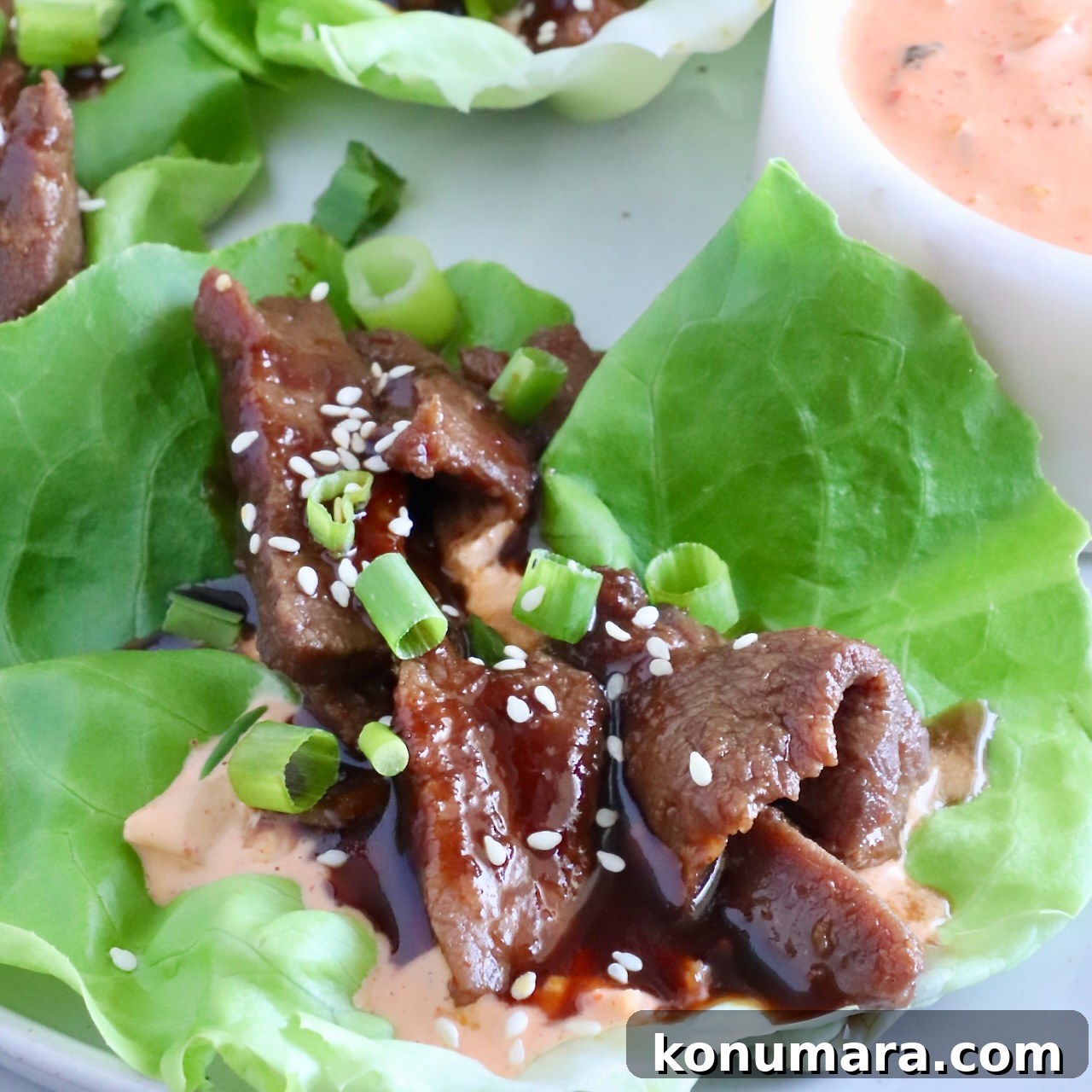
Craving big, bold flavors? These Korean Beef Bulgogi Lettuce Wraps deliver tender, thinly sliced marinated beef piled into crisp lettuce cups with a creamy kimchi-gochujang aioli. A quick tenderizing marinade transforms flank steak into melt-in-your-mouth bulgogi, and a drizzle of Korean BBQ sauce plus sesame and green onions finish each bite with savory, sweet, tangy, and slightly spicy notes. Ready with just about 15 minutes of hands-on time, this recipe works as an appetizer, weeknight meal, or a build-your-own bowl option.
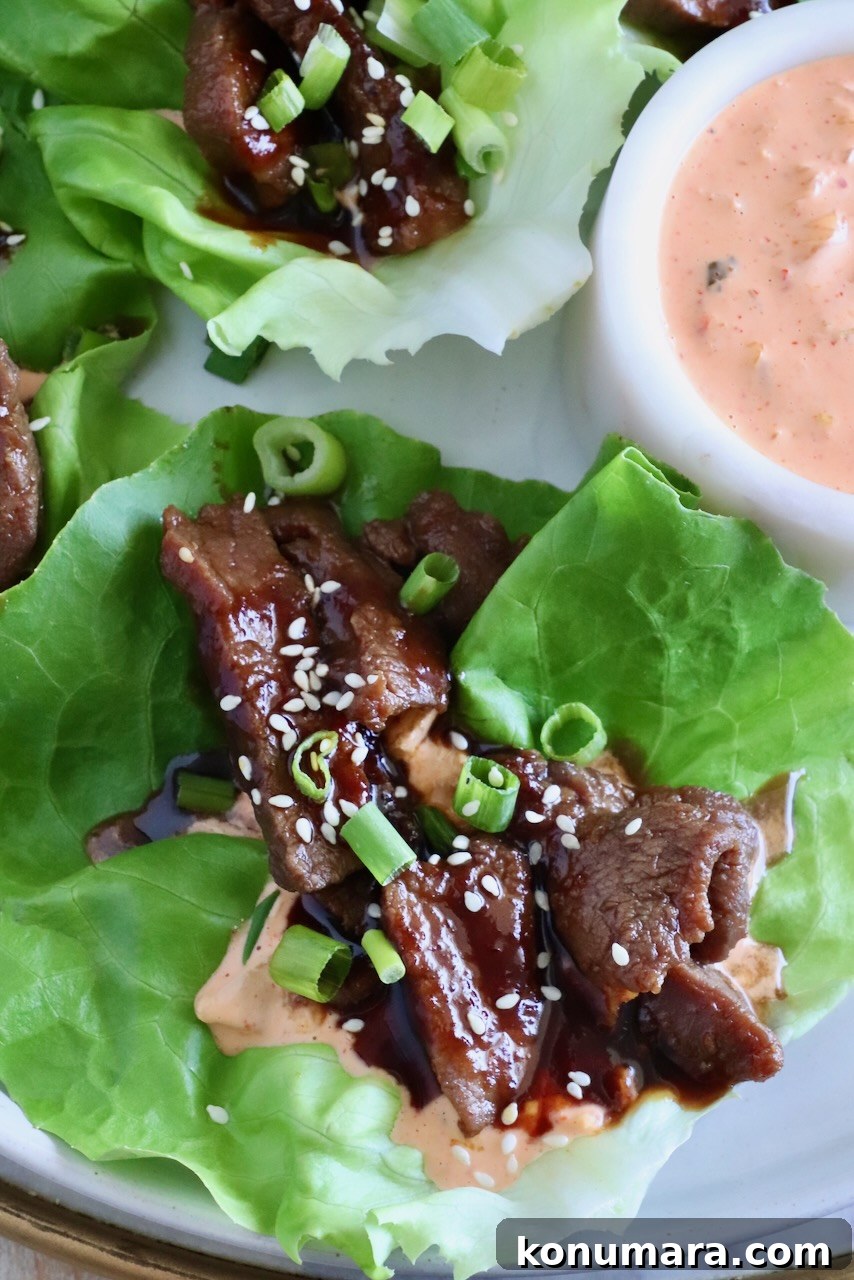

Bring the flavors of Korean BBQ into your kitchen!
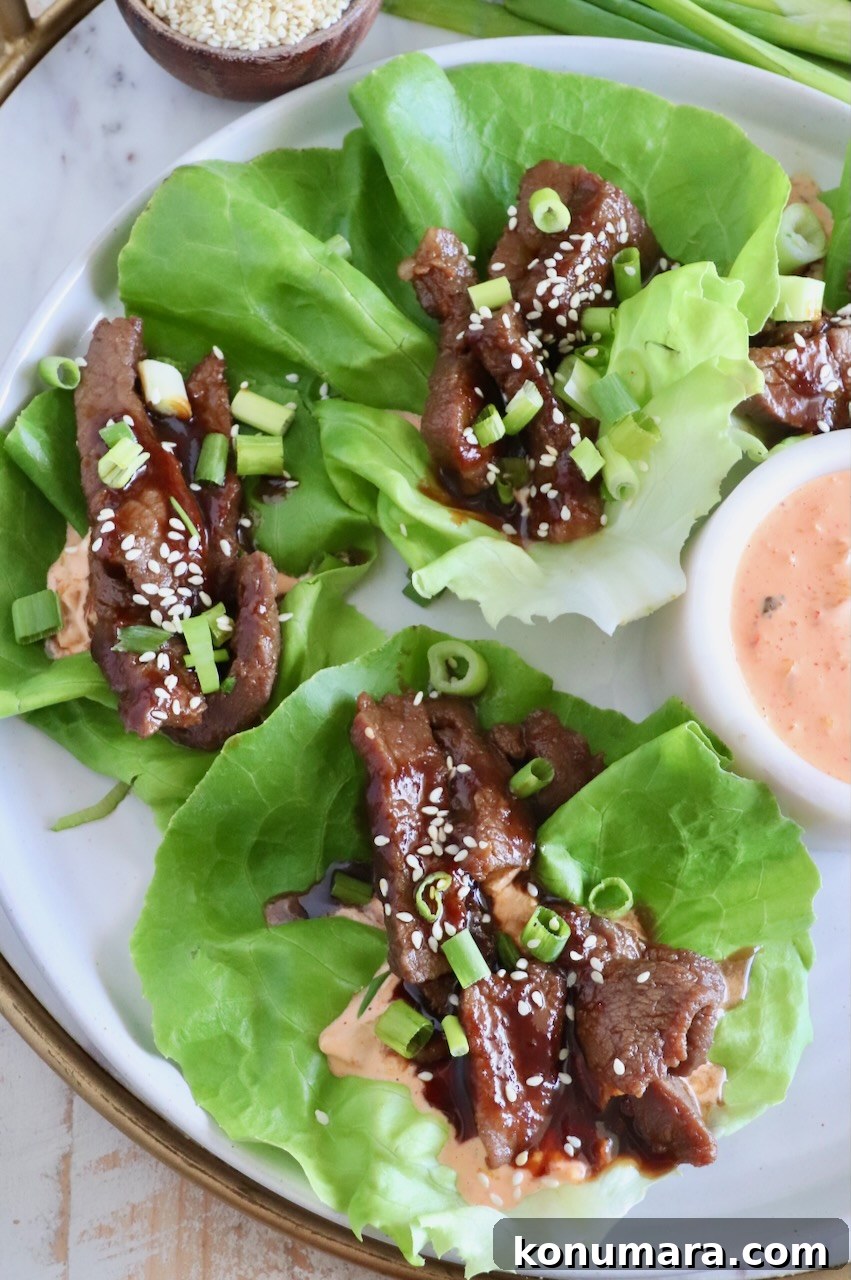
These bulgogi lettuce wraps layer many textures and flavors: tender, slightly caramelized beef, crisp lettuce, creamy aioli with kimchi and gochujang, and a finishing sprinkle of sesame and scallions. Together they create a balanced bite—sweet, salty, tangy, lightly spicy, and satisfyingly crunchy. They’re light enough for a casual dinner but flavorful enough to impress guests.
I make these often because the marinade and velveting technique yield consistently tender beef. Serve them as handheld wraps or turn them into bowls with rice and steamed vegetables for a more substantial meal. The components are versatile and come together quickly, which makes this a great recipe for busy weeknights or relaxed entertaining.

Key ingredients
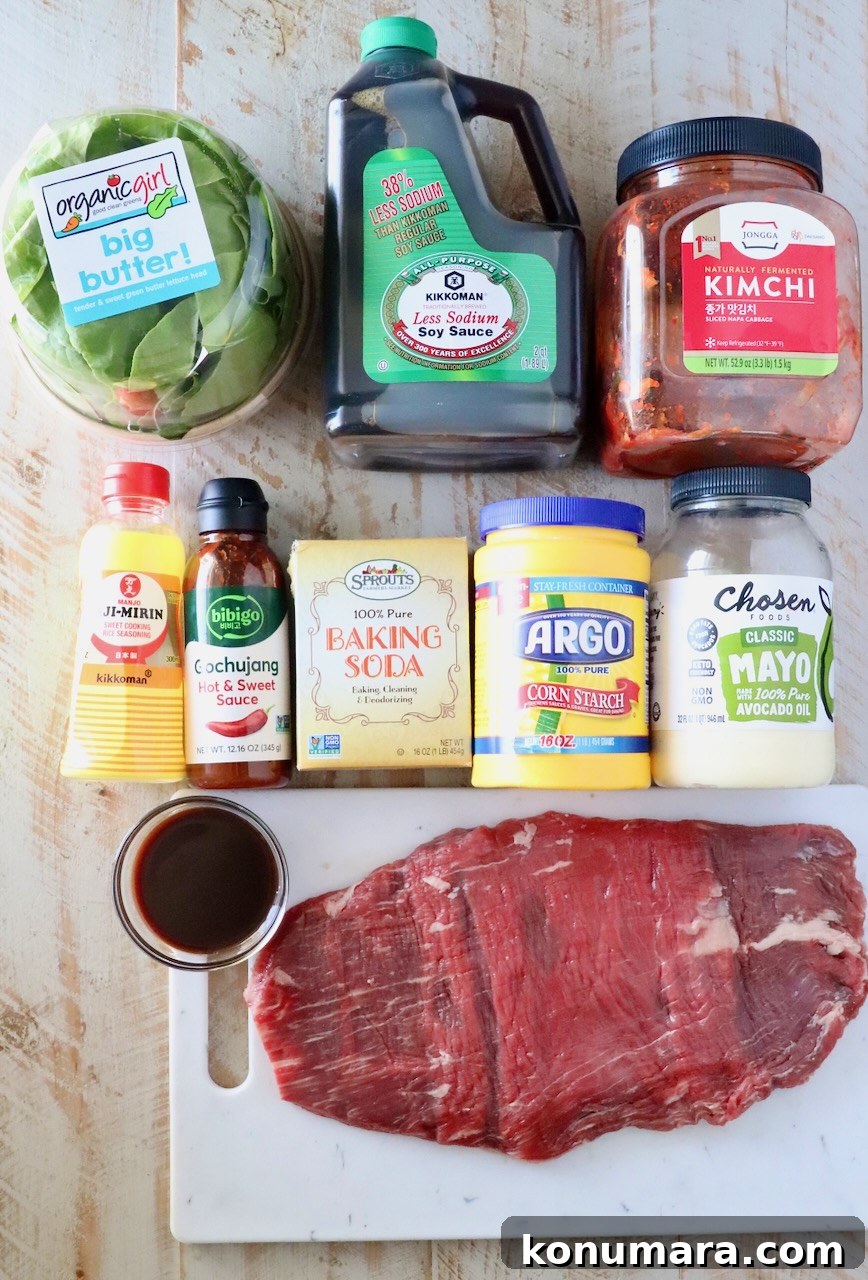
The photos above show the ingredients to help you shop. Below are a few notes about specific items. The full ingredient list with amounts appears in the recipe card further down.
- Flank steak – Thinly sliced flank steak works very well for bulgogi. Skirt steak or top sirloin are fine alternatives if you prefer.
- Mirin – A sweet Japanese rice wine often used in marinades. If you don’t have mirin, substitute a splash of rice vinegar mixed with a touch of sugar or a light white wine.
- Cornstarch + baking soda – These ingredients help tenderize and “velvet” the beef so it stays juicy and soft after cooking. It’s a simple technique that makes a big difference.
- Gochujang – A Korean fermented chili paste that’s both sweet and spicy. It adds depth and gentle heat to the aioli. Adjust the amount to taste if you prefer milder or spicier flavors.
- Korean BBQ seasoning (optional) – A dry spice mix can deepen the marinade’s flavor. It’s optional but a convenient pantry addition if you make Korean-style dishes frequently.
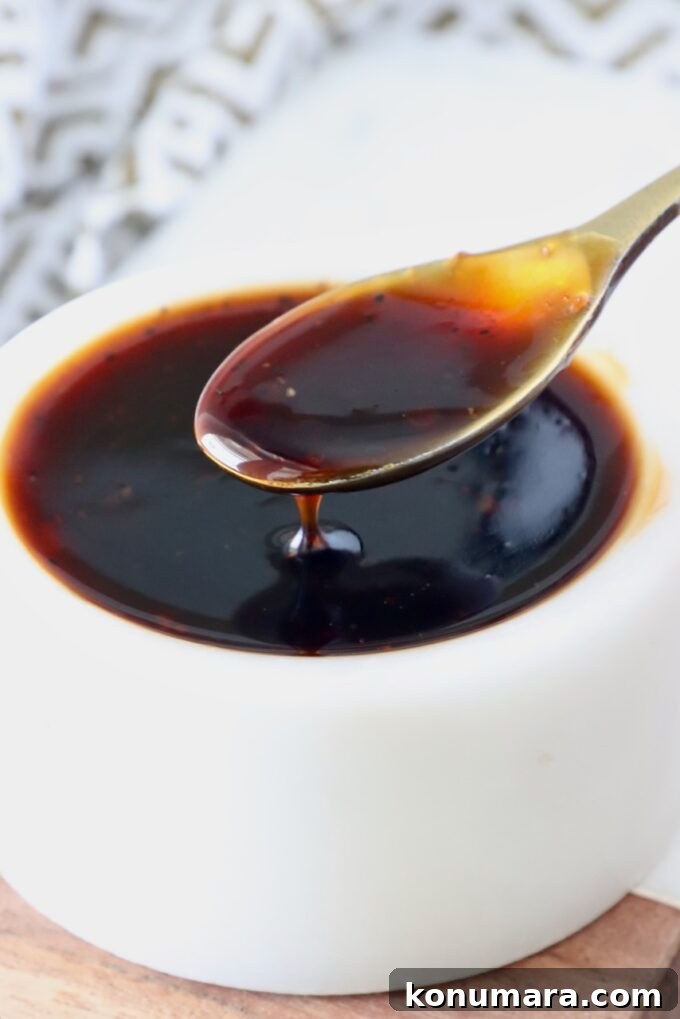
- Korean BBQ sauce – Use a store-bought sauce or a homemade version for a glossy, savory finish when tossing the cooked beef.
Instructions
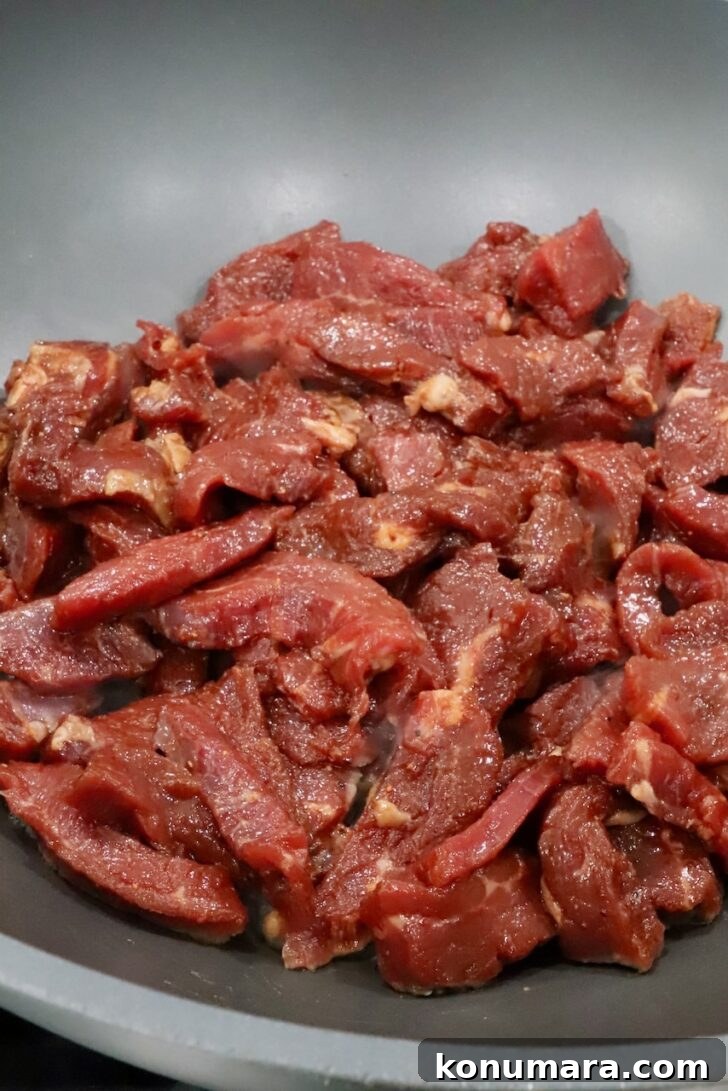
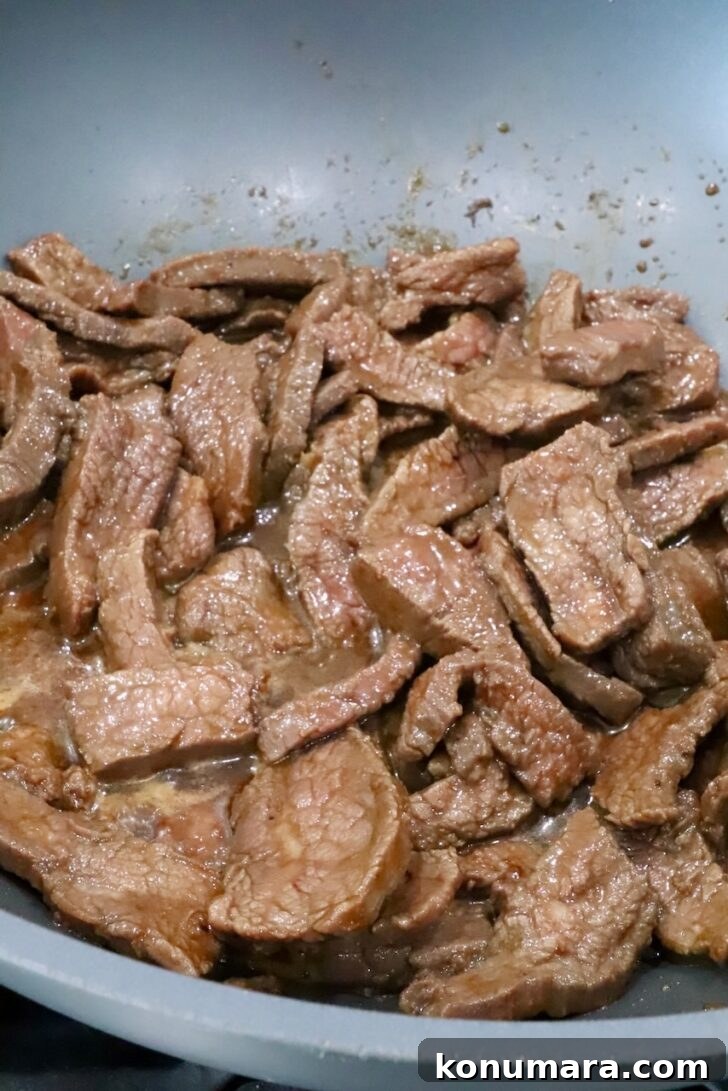
Below are clear steps and photos to guide you through the process. For best results, slice the steak thinly across the grain and allow the meat to marinate long enough to tenderize.
How to serve the bulgogi
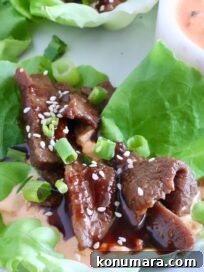
Lettuce wraps: Spread a spoonful of kimchi-gochujang aioli in a butter lettuce cup, add the Korean BBQ beef, drizzle a little extra Korean BBQ sauce, and top with diced green onions and white sesame seeds.
Bulgogi bowls: Build a bowl with cooked white or brown rice, add the beef, steamed broccoli or other vegetables, and finish with a dollop of the aioli and a drizzle of BBQ sauce.
Tacos: Use warm tortillas instead of lettuce. Spread aioli, add the beef, drizzle sauce, and garnish with scallions for quick bulgogi tacos.
Korean BBQ Beef Bulgogi
Ingredients
- 2 tablespoons mirin
- 4 tablespoons soy sauce
- 2 teaspoons cornstarch
- 1 teaspoon baking soda
- 1 tablespoon Korean BBQ seasoning (optional)
- 1½ pound flank steak, sliced into 2-inch strips
- ¼ cup mayonnaise
- 2 tablespoons gochujang sauce
- ¼ cup kimchi, finely chopped
- ¼ cup Korean BBQ sauce, plus more for serving
For serving (optional)
- 12 lettuce leaves (butter lettuce or bibb)
- 1 tablespoon sesame seeds
- 2 tablespoons green onions, diced
Instructions
-
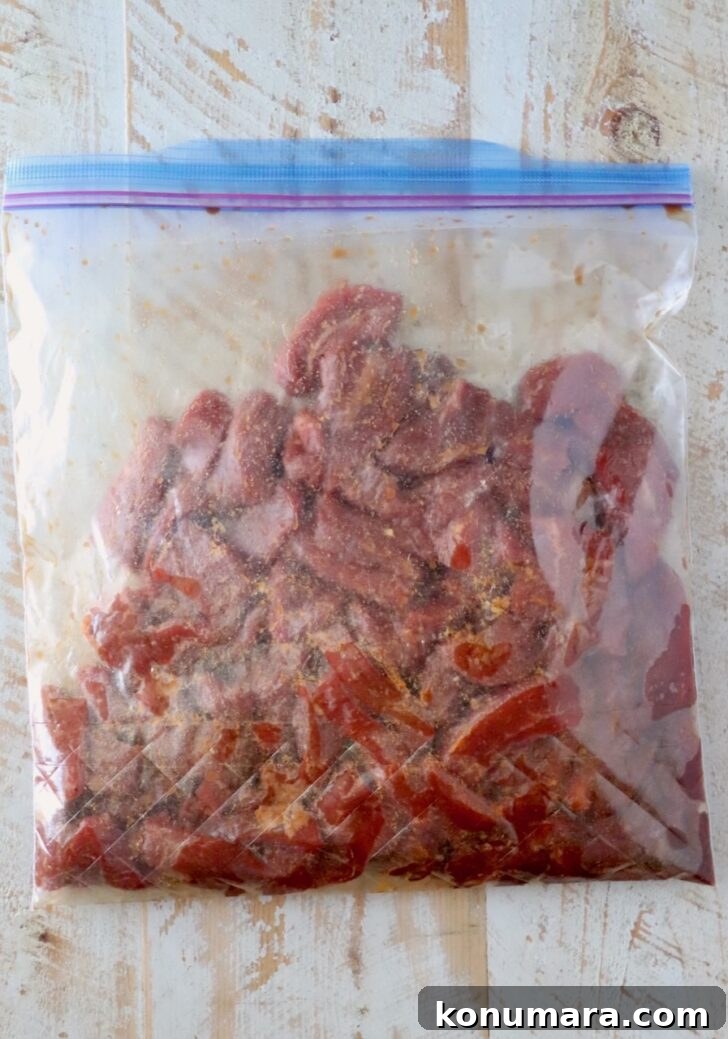
Combine mirin, soy sauce, cornstarch, and baking soda in a large resealable bag or bowl. Add Korean BBQ seasoning if using.
-
Add the sliced flank steak and toss or massage so every piece is coated in the marinade.
-
Refrigerate the meat for 30–60 minutes to tenderize and develop flavor.
-
While the steak marinates, stir together the mayonnaise, gochujang, and chopped kimchi in a small bowl to make the aioli. Adjust gochujang to taste.
-
When ready to cook, heat a wok or large skillet over high heat until very hot.
-
Add the marinated steak and any remaining marinade to the hot pan. Spread the strips in a single layer and cook, stirring occasionally, for 5–6 minutes until cooked through and slightly caramelized.
-
In the last minute of cooking, drizzle the Korean BBQ sauce over the beef and toss to coat.
-
To assemble, place a spoonful of kimchi-gochujang aioli on a lettuce leaf, add the beef, drizzle with extra BBQ sauce if desired, and garnish with diced green onions and sesame seeds.
Notes
- Gluten-free option: Substitute tamari for soy sauce and choose a gluten-free gochujang or Korean BBQ sauce.
- Spice level: This recipe is mild to moderate in heat. The gochujang in the aioli provides the main spice; reduce it for a milder result.